Films
1 film
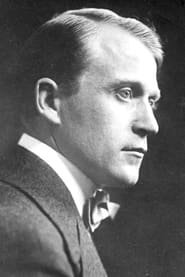
About Nils Olaf Chrisander
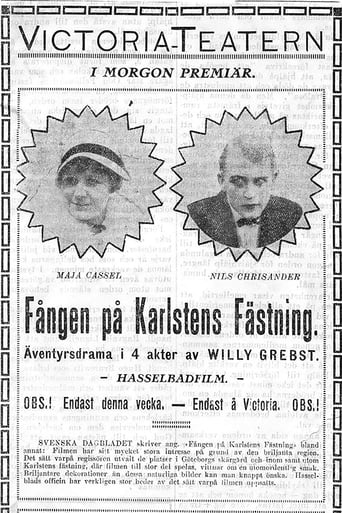
Swedish actor who had a brief but notable career during the silent film era. His most recognized work came in 1916 when he appeared in 'The Prisoner of Karlsten's Fortress' (Swedish title likely 'Fången på Karlstens fästning'), a historical drama set in Sweden. Chrisander's acting career appears to have been concentrated primarily in Swedish cinema during the mid-1910s, a period when Swedish film was experiencing significant artistic growth and international recognition. Like many actors of his era, his work was confined to the silent format before the transition to sound films. His career seems to have been relatively short-lived, with most documented work occurring within the 1916 timeframe, which was not uncommon for character actors and supporting performers in early cinema. The limited surviving documentation of his career suggests he may have been a supporting actor rather than a leading star, though his appearance in a notable historical film indicates he had some recognition within the Swedish film industry.
The Craft
Milestones
- Appeared in 'The Prisoner of Karlsten's Fortress' (1916)
- Contributed to Swedish silent cinema during its golden age
Best Known For
Iconic Roles
Must-See Films
Why They Matter
Impact on Culture
As a minor figure in Swedish silent cinema, Nils Olaf Chrisander's direct cultural impact was limited but he contributed to the early Swedish filmmaking during what many consider the golden age of Swedish cinema. The 1910s were a pivotal decade for Swedish film, with directors like Victor Sjöström and Mauritz Stiller gaining international acclaim, and actors like Chrisander were part of this artistic movement. His participation in historical dramas helped preserve Swedish cultural heritage and history through the medium of cinema, which was particularly important during a time when film was emerging as a powerful tool for cultural expression and national identity.
Lasting Legacy
Nils Olaf Chrisander's legacy is primarily preserved through his contribution to Swedish silent cinema, though limited documentation makes it difficult to assess the full scope of his impact. Like many supporting actors from the early film era, his work shows the collaborative nature of filmmaking and the numerous performers who contributed to classic films without achieving lasting fame. His appearance in 'The Prisoner of Karlsten's Fortress' represents a small but meaningful part of Sweden's cinematic heritage during its formative years.
Who They Inspired
Due to the limited documentation of his career and relatively brief period of activity, it's difficult to trace specific influences that Nils Olaf Chrisander may have had on other performers or filmmakers. However, as part of the Swedish film industry during its artistic peak in the 1910s, he would have been influenced by and contributed to the naturalistic acting style that characterized Swedish cinema of this period, which later influenced international film development.
Off Screen
Very little documented information exists about the personal life of Nils Olaf Chrisander, which is not uncommon for supporting actors from the silent era who did not achieve major stardom.
Did You Know?
- Appeared in films during the golden age of Swedish cinema
- His career was concentrated in the year 1916
- Participated in historical drama filmmaking
- Worked during the silent film era before the transition to sound
- Contributed to early Swedish cultural cinema
- His film work represents early 20th century Swedish filmmaking
Frequently Asked Questions
Who was Nils Olaf Chrisander?
Screen credits include 'The Prisoner of Karlsten's Fortress' in 1916. His career was brief and primarily focused on Swedish cinema during the mid-1910s.
What films is Nils Olaf Chrisander best known for?
Titles linked here include The Prisoner of Karlsten's Fortress (1916).
When was Nils Olaf Chrisander born and when did he die?
Specific birth and death dates for Nils Olaf Chrisander are not documented in available historical records, which is common for supporting actors from early cinema.
What awards did Nils Olaf Chrisander win?
There are no documented awards or nominations for Nils Olaf Chrisander, which was typical for many character actors during the early film period when formal award systems were not yet established.
What was Nils Olaf Chrisander's acting style?
While specific details about his acting style are not documented, as a Swedish actor during the 1910s he likely employed the naturalistic acting techniques that characterized Swedish cinema of that era.
Why is information about Nils Olaf Chrisander so limited?
Limited documentation is common for supporting actors from the silent era, especially those who worked primarily in national cinema industries rather than achieving international fame. Many records from this period have been lost or were never comprehensively documented.