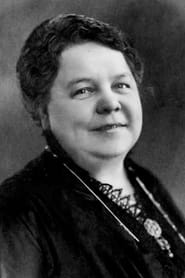
Stina Berg
Actor
Born: November 21, 1869 in Stockholm, Sweden Died: October 5, 1930 Active: 1915-1923 Birth Name: Kristina Josefina Bergström
Films
5 films
About Stina Berg
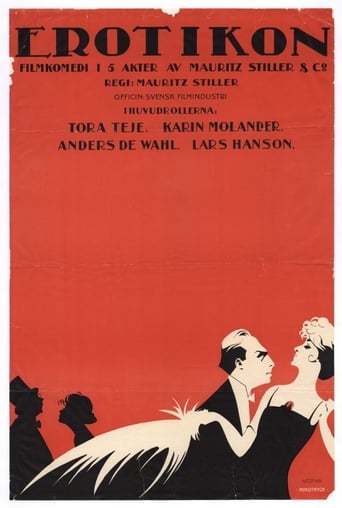
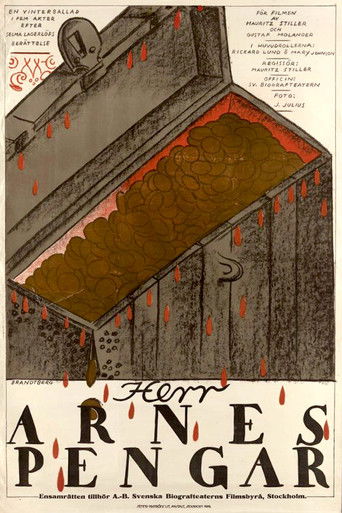
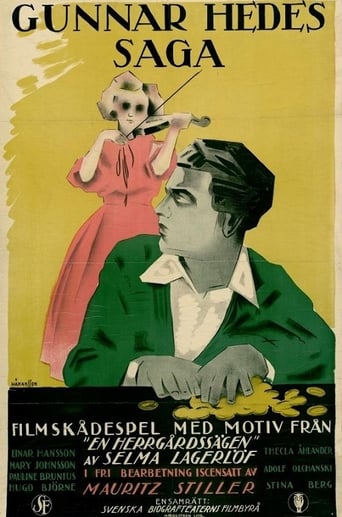
Stina Berg, born Kristina Josefina Bergström, was one of Sweden's film actresses who rose to prominence during the golden age of Swedish silent cinema. Beginning her career as a stage actress in the late 19th century, she transitioned to film in her mid-40s and quickly became recognizable character actresses in Swedish cinema. Berg specialized in portraying maternal figures, elderly women, and comedic supporting roles, bringing depth and authenticity to every character she embodied. Her collaborations with renowned director Mauritz Stiller resulted in some of the most significant Swedish films of the era, including the internationally acclaimed 'Sir Arne's Treasure.' Berg's expressive face and naturalistic acting style made her particularly effective in the silent medium, where emotions had to be conveyed through subtle gestures and facial expressions. Despite her relatively short film career spanning just eight years, she appeared in over 30 films and on Swedish cinema history. Her performances in films like 'Erotikon' and 'Gunnar Hede's Saga' showcased her remarkable range and ability to adapt to both dramatic and comedic roles. Berg retired from acting in 1923 and spent her remaining years in Stockholm, remembered as one of the foundational figures of Swedish cinema.
The Craft
On Screen
Known for her naturalistic and emotionally expressive performances in silent films, Berg specialized in conveying complex emotions through subtle facial expressions and gestures. Her acting style was characterized by its authenticity and restraint, avoiding the exaggerated melodrama common in early cinema. She had a particular talent for portraying maternal characters with warmth and depth, making her audiences feel genuine connection to her roles.
Milestones
- Film debut in 'The Price of Betrayal' (1915)
- Breakthrough role in Mauritz Stiller's 'Sir Arne's Treasure' (1919)
- Critically acclaimed performance in 'Erotikon' (1920)
- Final film appearance in 'Gunnar Hede's Saga' (1923)
- Appeared in over 30 films during her 8-year film career
Best Known For
Iconic Roles
Must-See Films
Accolades
Special Recognition
- Recognized as one of Sweden's film actresses
- Honored in Swedish Film Institute's archives as an early cinema pioneer
Working Relationships
Worked Often With
Studios
Why They Matter
Impact on Culture
Stina Berg played a significant role in establishing Swedish cinema's international reputation during the silent era. Her performances helped demonstrate that Swedish films could compete artistically with those from larger European film industries. As one of the first established stage actresses to embrace cinema, she helped legitimize film as a serious art form in Sweden. Her work with directors like Mauritz Stiller contributed to what became known as the 'Golden Age of Swedish Cinema' (1917-1924). Berg's ability to portray complex maternal characters with depth and authenticity helped expand the range of roles available to women in early cinema.
Lasting Legacy
Stina Berg's legacy endures as one of the foundational figures of Swedish cinema history. She is remembered for helping establish the naturalistic acting style that would become characteristic of Swedish silent films. Her performances continue to be studied by film scholars as examples of early cinematic excellence. Berg's career demonstrated that actresses could successfully transition from stage to film and find success in character roles rather than just leading parts. Her work remains preserved in the Swedish Film Institute's archives, ensuring that future generations can appreciate her contributions to cinema.
Who They Inspired
Berg influenced subsequent generations of Swedish actresses through her emphasis on naturalistic performance and emotional authenticity. Her success in character roles helped pave the way for actresses who didn't fit conventional leading lady types. Younger actresses studied her techniques for conveying emotion without dialogue, which was particularly valuable during the transition to sound films. Her collaborations with Mauritz Stiller helped establish a template for director-actor partnerships in Swedish cinema that would influence future filmmakers.
Off Screen
Stina Berg was married to Swedish actor and director Victor Bergström. The couple had one child together. She maintained a relatively private personal life, focusing primarily on her craft and career. After retiring from film in 1923, she lived quietly in Stockholm until her death in 1930 at the age of 60.
Education
Trained in theatre at the Royal Dramatic Theatre's acting school in Stockholm
Family
- Victor Bergström (1895-1930)
Did You Know?
- Began her film career at age 46, making her one of the oldest actresses to debut in Swedish cinema
- Was already an established stage actress before transitioning to film
- Appeared in over 30 films in just 8 years
- Worked with both of Sweden's most celebrated silent film directors: Mauritz Stiller and Victor Sjöström
- Her real name was Kristina Josefina Bergström
- Never appeared in a sound film, retiring before the advent of talkies in Sweden
- Was particularly beloved by Swedish audiences for her maternal roles
- Her performance in 'Sir Arne's Treasure' was praised by international critics when the film was exported abroad
- Died just seven years after retiring from films
- Her films are now considered classics of Swedish cinema and are regularly screened at film festivals
In Their Own Words
(On transitioning from stage to film) 'The camera demands truth in a way the stage never could - it sees into your very soul.'
(On her acting philosophy) 'To play a mother is not to act, but to remember the love that created you.'
Frequently Asked Questions
Who was Stina Berg?
Swedish actress who became. She was known for her naturalistic acting style and memorable portrayals of maternal and elderly characters in over 30 films.
What films is Stina Berg best known for?
Titles linked here include Sir Arne's Treasure (1919), Erotikon (1920).
When was Stina Berg born and when did she die?
Born November 21, 1869; died October 5, 1930.
What awards did Stina Berg win?
While formal film awards were not established during her active period, Stina Berg is recognized posthumously as one of Sweden's film actresses and is honored in the Swedish Film Institute's archives as an early cinema pioneer.
What was Stina Berg's acting style?
Stina Berg was known for her naturalistic and emotionally expressive acting style, characterized by authenticity and restraint. She excelled at conveying complex emotions through subtle facial expressions and gestures, avoiding the exaggerated melodrama common in early silent cinema.
Did Stina Berg work with any famous directors?
Yes, Stina Berg frequently collaborated with two of Sweden's most celebrated silent film directors, Mauritz Stiller and Victor Sjöström. Her partnership with Stiller was particularly fruitful, resulting in several of her most acclaimed performances.
Why did Stina Berg retire from acting?
Stina Berg retired from acting in 1923 at age 54, after completing her final film 'Gunnar Hede's Saga.' While the exact reason isn't documented, her age and the approaching transition to sound films may have influenced her decision to leave the industry.