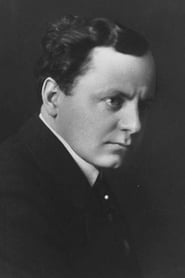
John Ekman
Actor
Born: November 15, 1880 in Stockholm, Sweden Died: December 15, 1949 Active: 1914-1949
Films
10 films
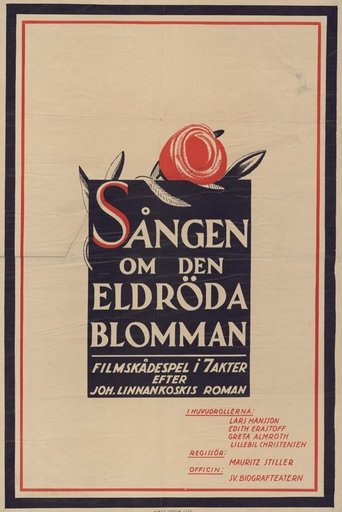
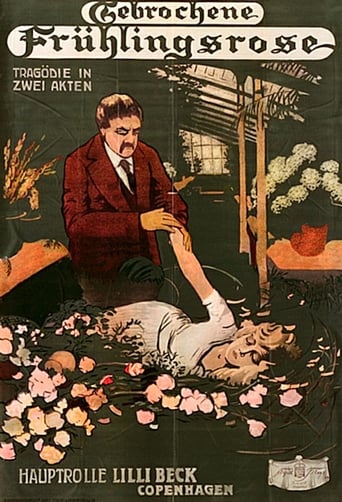
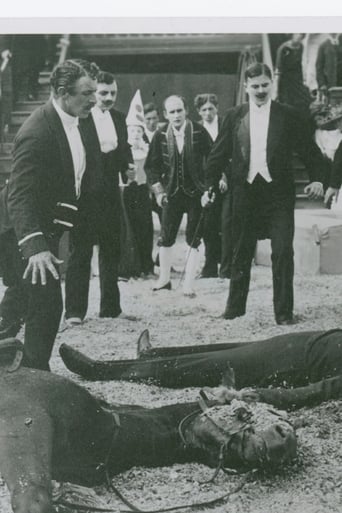
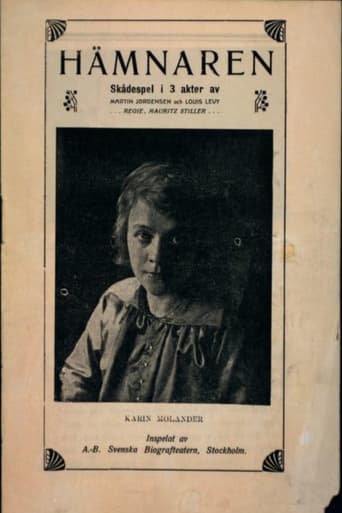
About John Ekman
Prominent Swedish actor during the golden age of Swedish silent cinema,: over three decades from the early 1910s through the 1940s. Born in Stockholm in 1880, Ekman began his career on stage before transitioning to film as the Swedish film industry was taking shape. He became a frequent collaborator with directors Victor Sjöström and Mauritz Stiller, appearing in many of their most significant productions that helped establish Sweden's international reputation for artistic cinema. Ekman appeared in over 80 films throughout his career, demonstrating remarkable versatility in both leading and supporting roles across silent and early sound films. His performances in classics like 'Terje Vigen' and 'Berg-Ejvind och hans hustru' showcased the naturalistic acting style that characterized Swedish cinema during its artistic peak. While he never achieved the international fame of some of his contemporaries like Greta Garbo or Lars Hanson, Ekman remained a respected and reliable character actor in Swedish cinema until his death in 1949. His contributions helped define the distinctive style and emotional depth that made Swedish silent films influential worldwide.
The Craft
On Screen
Naturalistic and emotionally expressive, characteristic of Swedish silent cinema's sophisticated approach to performance. Ekman was known for his ability to convey complex emotions through subtle facial expressions and body language, avoiding the exaggerated gestures common in many silent films of the era. His performances were marked by psychological depth and authenticity, helping establish the reputation of Swedish cinema for artistic seriousness and emotional realism.
Milestones
- Frequent collaborator with director Victor Sjöström
- Appeared in over 80 films during his 35-year career
- Key contributor to the golden age of Swedish silent cinema (1917-1924)
- Successfully transitioned from silent to sound films
- Worked with both Sjöström and Mauritz Stiller, Sweden's most important silent directors
Best Known For
Iconic Roles
Must-See Films
Working Relationships
Worked Often With
Studios
Why They Matter
Impact on Culture
John Ekman played a significant role in establishing Sweden's reputation for artistic excellence in cinema during the silent era. As a key supporting actor in films directed by Victor Sjöström and Mauritz Stiller, he contributed to the distinctive style of Swedish cinema that influenced filmmakers worldwide. The naturalistic acting approach exemplified by Ekman and his colleagues helped demonstrate that cinema could achieve the same artistic depth as theater or literature. His work in internationally acclaimed films like 'Terje Vigen' and 'The Outlaw and His Wife' helped introduce Swedish cultural values and storytelling traditions to global audiences. Ekman's active years covered the entire development of Swedish cinema from its early days through the transition to sound, making him a living bridge between different eras of filmmaking in his country.
Lasting Legacy
John Ekman is remembered as a reliable and versatile character actor who supported the most important Swedish directors of the silent era. His performances in over 80 films created a body of work that exemplifies the artistic achievements of Swedish cinema during its golden age. While less internationally famous than some of his contemporaries, Ekman's contributions to classic Swedish films have ensured his place in film history as an essential part of the team that established Sweden's cinematic reputation. His ability to transition successfully from silent to sound films demonstrated his adaptability and commitment to his craft. Today, film scholars and classic cinema enthusiasts recognize Ekman as an important figure in the development of national cinema in Sweden.
Who They Inspired
John Ekman's naturalistic acting style influenced subsequent generations of Swedish actors, particularly in his ability to convey complex emotions without exaggeration. His work with directors like Sjöström helped establish acting techniques that became standard in Swedish cinema, emphasizing psychological realism over theatricality. While he did not directly mentor internationally famous actors, his performances in films that were studied and admired worldwide contributed to the global understanding of what constituted sophisticated film acting. The collaborative approach he exemplified—working closely with directors to achieve artistic unity—became a model for ensemble acting in European cinema. His career demonstrated the importance of character actors in creating a rich cinematic world, influencing how supporting roles were valued in film production.
Off Screen
John Ekman maintained a relatively private personal life throughout his career, with limited public information available about his family or relationships. He spent his entire life in Stockholm, Sweden, where he was born and eventually died at age 69. Despite his long career in Swedish cinema, Ekman did not seek the international spotlight that some of his contemporaries pursued, instead focusing on his craft within the Swedish film industry. His dedication to Swedish cinema reflected the broader cultural nationalism of the golden age of Swedish filmmaking, when directors and actors took pride in creating a distinctly national cinematic identity.
Did You Know?
- Appeared in over 80 films during his 35-year career
- Worked with both Victor Sjöström and Mauritz Stiller, Sweden's most important silent directors
- His active years covered the entire development of Swedish cinema from early days through sound
- Participated in the golden age of Swedish cinema (1917-1924) when Swedish films gained international recognition
- Never pursued an international career like some of his Swedish contemporaries
- His exact birth name was the same as his professional name
- Died in his hometown of Stockholm at age 69
- Many of his films with Sjöström are considered classics of world cinema
- Was contemporaneous with Greta Garbo, though she achieved much greater international fame
- Helped establish the distinctive naturalistic acting style of Swedish silent cinema
Frequently Asked Questions
Who was John Ekman?
Prominent Swedish with credits in this catalog. He appeared in over 80 films between 1914 and 1949, working extensively with legendary directors Victor Sjöström and Mauritz Stiller during the golden age of Swedish cinema.
What films is John Ekman best known for?
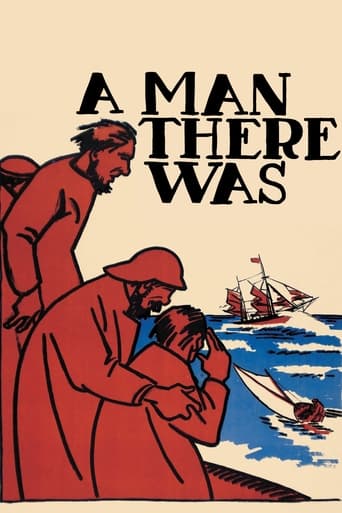
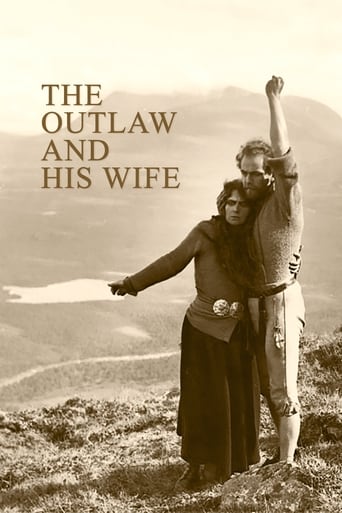
Titles linked here include Terje Vigen (A Man There Was, 1917), Berg-Ejvind och hans hustru (The Outlaw and His Wife, 1918).
When was John Ekman born and when did he die?
Born November 15, 1880; died December 15, 1949.
What awards did John Ekman win?
Specific awards information for John Ekman is not readily available, as detailed award records from the early Swedish film era are limited. His legacy rests on his contributions to classic Swedish cinema and his collaborations with directors rather than formal accolades.
What was John Ekman's acting style?
John Ekman's acting style was naturalistic and emotionally expressive, characteristic of the sophisticated approach to performance in Swedish silent cinema. He avoided exaggerated gestures in favor of subtle facial expressions and psychological depth, contributing to the artistic reputation of Swedish films.
How did John Ekman contribute to Swedish cinema?
Key supporting with credits in this catalog. His collaborations with directors like Victor Sjöström created some of the most important films in cinema history.
Did John Ekman work with other famous Swedish film figures?
Yes, John Ekman worked extensively with Victor Sjöström and Mauritz Stiller, the two most important Swedish directors of the silent era. These directors later influenced Hollywood and mentored stars like Greta Garbo, making Ekman part of this influential circle of Swedish filmmakers.