

Song of the Scarlet Flower
"Scarlet flower, cold father"
Keys: Space play/pause · ←/→ 10s · F fullscreen · M mute · </> speed
About this film
Mauritz Stiller's Finnish farmer's son loves a maid and is cast out by his wealthy father. The son of a wealthy farmer loves a simple maid, for which he's booted out of the house by his father.
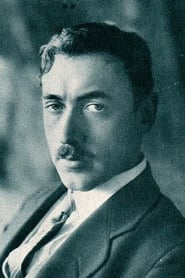
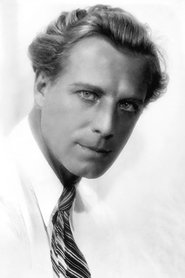
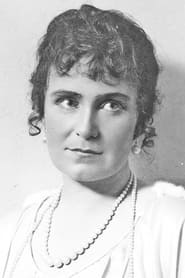
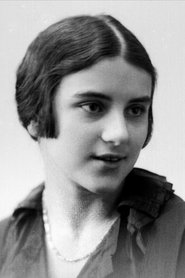
Cast & crew
More Drama films
View all →






More from Mauritz Stiller
View all →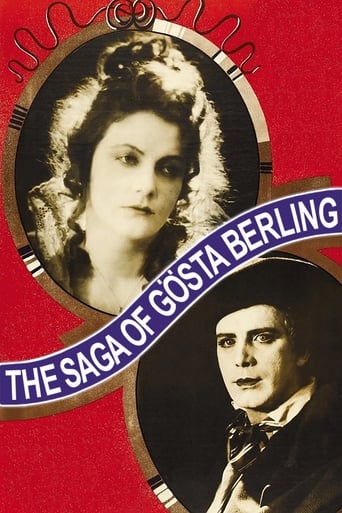
More about this film
About the production
Release dateMarch 3, 1919 (Sweden)
Box officeVery successful both domestically and internationally, particularly in Germany and the United States
ProductionSvenska Biografteatern
Filmed inStockholm, Sweden, Swedish forests for lumberjack scenes, Studio locations in the Stockholm area
The film was shot during the golden age of Swedish cinema when natural lighting and location shooting were becoming more common. Mauritz Stiller was known for his meticulous attention to detail and use of natural landscapes. The forest scenes were particularly challenging to film, requiring the cast and crew to work in actual Swedish forests during varying weather conditions. The production utilized the latest camera techniques of the time, including tracking shots to follow characters through the forest.
Themes
Class conflict and social mobilityForbidden love across social boundariesNature versus civilizationRedemption and forgivenessThe purity of true love
Themes & topics
forbidden romanceclass differencesdisinheritancelumberjackmaidfamily conflictsocial mobilityredemptionnatural settingsSwedish countryside
Historical background
1919 placed Song of the Scarlet Flower within Sweden cinema as Svenska Biografteatern navigated wartime markets, immigration audiences, and the shift from intertitles to sound.
Why this film matters
Archivists revisit Song of the Scarlet Flower (1919) for Mauritz Stiller style, genre norms at Svenska Biografteatern, and the exhibition context of 106 minutes (original Swedish version) programming.
Making of
The production was marked by Mauritz Stiller's perfectionist approach to filmmaking. He insisted on shooting in actual forests rather than using studio backdrops, which was unusual for the time. Stiller and his cinematographer Julius Jaenzon developed innovative techniques for filming in natural light, creating a distinctive visual style that emphasized the contrast between the wealthy farm and the harsh forest environment. Lars Hanson, who was primarily a stage actor before this film, underwent extensive preparation for his role, including spending time with actual lumberjacks to understand their lifestyle. The romantic scenes between Hanson and Edith Erastoff were reportedly tense on set due to Erastoff's marriage to Stiller, though this tension translated into powerful on-screen chemistry. The film's success was partly attributed to Stiller's ability to blend naturalistic performances with dramatic visual storytelling, a style that would influence many later filmmakers.
What critics said
Retrospective writing on Song of the Scarlet Flower stresses craft by Mauritz Stiller, print survival, and repertory value rather than opening-week gross alone.
Did you know?
- This was the first of three film adaptations of Johannes Linnankoski's 1918 novel, with later versions made in 1934 and 1956
- Mauritz Stiller discovered Lars Hanson and cast him in this film, launching his international career
- The film was a major international success and helped establish Swedish cinema's reputation for artistic quality
- Edith Erastoff, who played the maid Kreivi, was married to director Mauritz Stiller at the time
- The film's success led to Lars Hanson being recruited by MGM in Hollywood, where he became a major star
- Original prints featured hand-tinted scenes, particularly for the 'scarlet flower' sequences
- The film was considered quite daring for its time due to its frank treatment of class differences and sexuality
- It was one of the first Swedish films to gain wide distribution in the United States
- The lumberjack scenes were filmed with actual lumberjacks as extras to ensure authenticity
- The title refers to a rare flower that symbolizes the purity and rarity of true love
Awards & recognition
- No major awards were given for this film as the award systems were not yet established in 1919
Visual style
The cinematography by Julius Jaenzon was groundbreaking for its time, featuring extensive use of natural lighting and location shooting. Jaenzon employed innovative techniques to capture the contrast between the warm, domestic interiors of the wealthy farm and the harsh, natural beauty of the forest where Olof works as a lumberjack. The film made extensive use of tracking shots, particularly in the forest sequences, creating a sense of movement and immersion that was unusual for the period. The visual style emphasized the relationship between characters and their environment, using landscape to reflect emotional states. The 'scarlet flower' of the title was highlighted through careful composition and, in some prints, hand-tinting to emphasize its symbolic importance. The cinematography contributed significantly to the film's international reputation for artistic excellence.
Innovations
The film was notable for its advanced use of location shooting and natural lighting, which was innovative for 1919. The production employed sophisticated camera movement techniques, including tracking shots that followed characters through forest terrain. The film's editing was praised for its rhythmic quality and ability to maintain narrative momentum across different time periods and locations. The use of natural landscapes as an integral part of the storytelling was groundbreaking, influencing the development of location shooting in cinema. The film also featured impressive special effects for its time, particularly in scenes showing the changing seasons and the passage of time. The production's technical excellence helped establish Swedish cinema's reputation for innovation and quality during the silent era.
Music
As a silent film, it would have been accompanied by live musical performance in theaters. The original Swedish score was composed specifically for the film and featured Nordic folk melodies and classical pieces that reflected the emotional tone of each scene. In different countries, local musicians would adapt the score to include familiar regional melodies while maintaining the film's Nordic character. The music emphasized the contrast between the refined world of the wealthy farm and the rustic life of the lumberjacks. Modern restorations of the film have featured newly composed scores that attempt to recreate the spirit of the original accompaniment while using contemporary musical sensibilities.
Famous quotes
Love knows no class, only hearts that beat as one
A man's worth is measured not by his birth, but by his deeds
The scarlet flower blooms but once in a lifetime, as does true love
In the forest, all men are equal before nature
I would rather be a poor man with your love than a rich man without it
Memorable scenes
- The dramatic confrontation between father and son when Olof's love for the maid is discovered, resulting in his violent expulsion from the family home
- The haunting forest sequences where Olof works as a lumberjack, using natural lighting and sweeping camera movements to convey his isolation and struggle
- The symbolic appearance of the scarlet flower, representing the purity and rarity of true love
- The emotional reunion scene between Olof and Kreivi, overcoming the social barriers that separated them
- The final scene of reconciliation and forgiveness, bringing the story full circle
What audiences thought
The film was enormously popular with audiences both in Sweden and internationally. Swedish audiences were moved by its romantic story and proud of its artistic quality, while international audiences were captivated by its exotic Nordic setting and universal themes. The film's success at the box office helped establish it as among the leading profitable Swedish films of the silent era. Audience reaction was particularly strong to the chemistry between Lars Hanson and Edith Erastoff, whose on-screen romance became. The film's emotional climax reportedly moved audiences to tears in many theaters. Its popularity led to increased interest in Swedish cinema internationally and helped create a market for Swedish films in countries that had previously imported mainly American, French, and German productions.
Film connections
Influenced by
- The naturalistic traditions of Scandinavian literature
- German Romanticism
- The works of August Strindberg
- Victorian social novels
- The emerging realist tradition in European cinema
This film influenced
- The Wind (1928) - for its naturalistic use of landscape
- The Scarlet Letter (1926) - for its treatment of forbidden love
- The Last Laugh (1924) - for its visual storytelling techniques
- Sunrise (1927) - for its blend of naturalism and expressionism
Film restoration
The film has been preserved and restored by the Swedish Film Institute. While some original elements have been lost over time, a complete version exists and has been made available for modern viewing. The restoration work has included digital cleaning and stabilization of the surviving film elements. Some original tinting has been recreated based on historical documentation. The film is considered to be in good preservation condition for a silent film of its age, thanks to early recognition of its cultural importance and careful archiving by Swedish film authorities.
Where to watch
- Swedish Film Institute's streaming platform
- Various silent film archives and museums
- Specialized silent film streaming services
- Occasional screenings at film festivals and cinematheques
- DVD/Blu-ray releases from specialty distributors