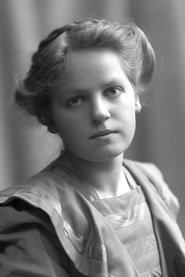
Greta Almroth
Actor
Born: April 15, 1888 in Stockholm, Sweden Died: April 26, 1981 Active: 1915-1920 Birth Name: Greta Amalia Almroth
Films
7 films

About Greta Almroth
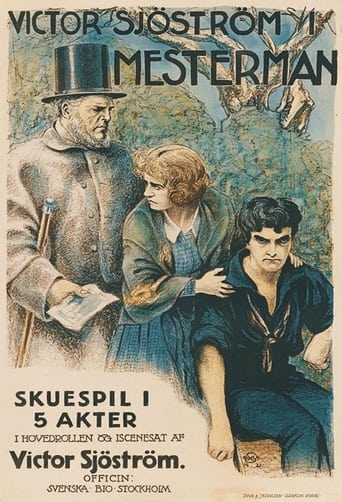
Prominent Swedish actress during the golden age of Swedish silent cinema in the late 1910s. Born in Stockholm in 1888, she emerged as a talented performer during a period when Swedish cinema was gaining international recognition for its artistic merit and technical innovation. Almroth worked with some of the most celebrated directors of the era, including Victor Sjöström and Mauritz Stiller, who were instrumental in establishing Sweden's reputation in early cinema. Her career, though brief, was marked by several significant leading roles that showcased her ability to convey deep emotion through the subtle techniques required in silent film performance. She was particularly effective in portraying strong, independent female characters, which was somewhat progressive for the time period. After her active years in cinema from 1915 to 1920, Almroth largely withdrew from public life, leaving behind a legacy of performances that continue to be studied by film historians interested in the development of Scandinavian cinema.
The Craft
On Screen
Greta Almroth's acting style embodied the naturalistic approach that characterized the best of Swedish silent cinema. She utilized subtle facial expressions and controlled gestures to convey complex emotions, avoiding the exaggerated melodrama common in many silent film performances of the era. Her technique was influenced by the Swedish theatrical tradition of psychological realism, which translated effectively to the intimate medium of film. Almroth had a particular talent for portraying inner turmoil and moral conflict through minimal but precise movements, making her performances feel authentic and emotionally resonant. Her screen presence combined strength with vulnerability, allowing her to inhabit complex female characters with depth and nuance.
Milestones
- Leading role in 'The Girl from the Marsh Croft' (1917)
- Collaboration with director Victor Sjöström
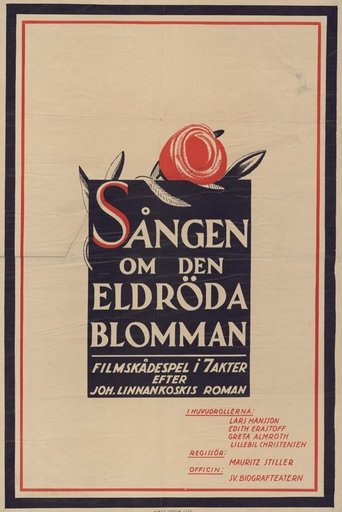
- Role in 'Song of the Scarlet Flower' (1919)
- Part of Swedish silent cinema's golden age
- Worked with Mauritz Stiller on multiple productions
- Transitioned from stage to film during cinema's formative years
Best Known For
Iconic Roles
Must-See Films
Accolades
Special Recognition
- Recognized as part of Sweden's golden age of cinema
- Films preserved in the Swedish Film Archive
Working Relationships
Worked Often With
Studios
Why They Matter
Impact on Culture
Greta Almroth contributed significantly to the international recognition of Swedish cinema during its golden age. Her performances helped establish the reputation of Swedish films for their artistic quality and psychological depth, particularly during a period when Scandinavian cinema was influencing filmmakers worldwide. The films she appeared in were part of a movement that demonstrated cinema's potential as a serious art form, moving beyond simple entertainment to explore complex human emotions and social issues. Her work, alongside that of her contemporaries, helped establish Sweden as a major force in international film production during the silent era.
Lasting Legacy
Greta Almroth's legacy endures through the preservation of her films in archives and their continued study by film scholars. Her performances are frequently cited as examples of the sophisticated acting style that Swedish cinema from other national cinemas of the silent era. The films she appeared in remain important historical documents of early 20th-century Scandinavian culture and society. Her brief career serves as a reminder of the many talented artists who contributed to cinema's development during its formative years, even if their names are not as widely remembered today as some of their contemporaries.
Who They Inspired
Almroth's naturalistic acting style influenced subsequent generations of Scandinavian actors who sought to bring authenticity and psychological depth to their performances. Her work with directors like Sjöström and Stiller helped establish techniques for conveying complex emotions without dialogue, which remained relevant even after the transition to sound. The success of films featuring her performances demonstrated the international appeal of Scandinavian storytelling and acting styles, paving the way for later Swedish actors to achieve international recognition.
Off Screen
Greta Almroth led a relatively private life outside of her film career. Born and raised in Stockholm, she initially trained for the stage before transitioning to the emerging medium of cinema. After her brief but notable film career ended in 1920, she largely retreated from the public eye. She lived for six decades after leaving the film industry, maintaining a low profile during the significant changes in cinema that followed the silent era. Her long life spanned nearly the entire history of cinema, from its earliest days to the modern era.
Education
Trained at Swedish Royal Dramatic Theatre's acting school
Family
- Gustaf Malm (1921-1963)
Did You Know?
- Her birth name was Greta Amalia Almroth
- She was active during the exact period when Swedish cinema achieved international acclaim
- Her film career lasted only five years but included several major productions
- She worked with both of Sweden's most famous silent film directors
- Many of her films were based on popular Swedish literary works
- She retired from acting just as the Swedish film industry began to decline in the early 1920s
- Her films were among the first Swedish productions to achieve international distribution
- She lived to be 93 years old, outliving most of her contemporaries from the silent era
- Her performance style was noted for its subtlety compared to typical silent film acting
- She was part of a generation of Swedish actors who successfully transitioned from stage to film
Frequently Asked Questions
Who was Greta Almroth?
Swedish actress who worked during the silent film era, primarily active from 1915 to 1920. She was part of the golden age of Swedish cinema, working with renowned directors like Victor Sjöström and Mauritz Stiller in several notable productions that helped establish Sweden's reputation in international cinema.
What films is Greta Almroth best known for?
Titles linked here include The Girl from the Marsh Croft (1917), Song of the Scarlet Flower (1919).
When was Greta Almroth born and when did she die?
Born April 15, 1888; died April 26, 1981.
What awards did Greta Almroth win?
During her active period in the 1910s, formal award systems for cinema were not yet established. However, her work is recognized historically as significant to Swedish cinema's golden age, and her films are preserved and studied by film archives and scholars as important examples of early Scandinavian filmmaking.
What was Greta Almroth's acting style?
Almroth's acting style was characterized by naturalism and subtlety, avoiding the exaggerated melodrama common in many silent films. She used controlled gestures and nuanced facial expressions to convey complex emotions, reflecting the psychological realism that Swedish cinema of the era. Her performances were noted for their authenticity and emotional depth.
Why did Greta Almroth's career end so quickly?
Almroth's career ended around 1920, coinciding with a decline in the Swedish film industry's international prominence and the impending transition to sound cinema. She married in 1921 and appears to have chosen to retire from acting rather than continue in the changing film landscape, living a private life for the next six decades.
How did Greta Almroth contribute to Swedish cinema?
Almroth contributed to Swedish cinema by helping establish its reputation for artistic quality and psychological depth during its golden age. Her performances in films directed by Sjöström and Stiller demonstrated the sophisticated storytelling capabilities of Swedish cinema, influencing international perceptions of Scandinavian film and helping pave the way for future Swedish filmmakers and actors.