
The Parson's Widow
"To preach here, marry the widow"
Keys: Space play/pause · ←/→ 10s · F fullscreen · M mute · </> speed
About this film
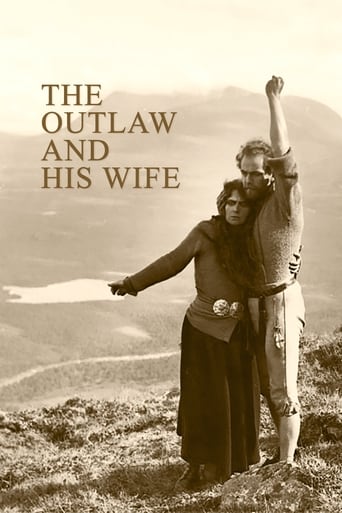
Seminary graduate Söfgren must marry the previous parson's elderly widow to keep his post, though he loves another woman. Carl Theodor Dreyer's folk comedy pits duty, desire, and generational mismatch in a Norwegian village.
Cast & crew
More films like this
More Comedy films
View all →







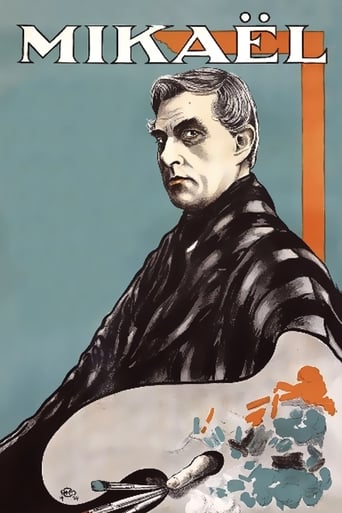
More from Carl Theodor Dreyer
View all →

More about this film
About the production
Release dateNovember 1, 1920
Box officeUnknown
ProductionSvenska Biografteatern
Filmed inStockholm, Sweden, Studio locations in Sweden
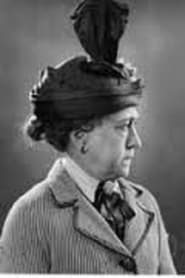
The film was shot during the summer of 1920 in Sweden, though it's set in Norway. Director Carl Theodor Dreyer, though Danish, made several films in Sweden during this period as part of the flourishing Scandinavian film industry. The production utilized natural lighting techniques that were becoming more sophisticated in Nordic cinema at the time. The elderly character of Margarete was portrayed by Hildur Carlberg in what would be her final film role before her death later that year.
Themes
Duty versus desireGenerational conflictSocial conventionLove and marriageRural tradition versus modernity
Themes & topics
parsonwidowforced marriagelove trianglerural villagetraditionengagementmoral dilemmaage gapreligious duty
Historical background
Prästänkan (1920) was among Dreyer's early Nordic features before he became synonymous with austere tragedy.
Why this film matters
The film shows Dreyer already balancing ethnographic detail with moral parable, a tension that would deepen in his later work.
Making of
The production faced several challenges during filming, including the difficulty of finding appropriate locations that could convincingly represent rural Norway within Sweden. Dreyer insisted on authenticity in the village scenes, leading the production team to scout extensively for suitable settings. The casting of Hildur Carlberg as the elderly widow was particularly significant, as she brought tremendous gravitas to the role despite her relatively young age. The film's blend of comedy and drama required careful tonal balance, which Dreyer achieved through subtle direction of his actors. The production benefited from the technical expertise of Svenska Biografteatern, one of Sweden's most advanced film studios of the era. The relationship between the three main characters was developed through extensive rehearsals, with Dreyer encouraging naturalistic performances that were ahead of their time in silent cinema.
What critics said
Scandinavian press noted its humor; retrospective criticism values it as a lighter counterpoint to Dreyer's canonical dramas.
Did you know?
- This was Carl Theodor Dreyer's third feature film as a director
- Hildur Carlberg, who played the elderly widow, was only 54 years old during filming despite playing a character described as old enough to be the protagonist's grandmother
- The film was based on a short story by Norwegian writer Kristofer Janson
- Dreyer considered the production one of his lesser works, but it's now studied for its early exploration of themes he would later perfect
- The original Swedish title was 'Prästänkan', which literally translates to 'The Parson's Widow'
- The film was shot in just six weeks, a relatively quick production schedule even for the time
- Despite being a comedy-drama, the film contains subtle social commentary about rural traditions and religious hypocrisy
- The film was lost for decades before being rediscovered and restored in the 1960s
- Dreyer later disowned many of his early films, considering them apprenticeship works
- The film's mix of comedy and drama was unusual for Dreyer, who would become known primarily for intense dramas
Visual style
The cinematography by Johan Ankerstjerne demonstrates the sophisticated visual style that made Scandinavian cinema renowned during this period. The film makes effective use of natural lighting, particularly in outdoor scenes, creating a realistic and atmospheric depiction of rural life. Interior scenes are carefully composed to emphasize the psychological relationships between characters, with lighting used to create emotional depth. The camera work is relatively static, typical of the period, but shows Dreyer's emerging preference for carefully composed, painterly frames. The film utilizes location shooting to establish authentic rural settings, a practice that was becoming increasingly common in Nordic cinema but still relatively rare internationally. The visual style balances the film's comedic and dramatic elements through appropriate lighting and composition techniques.
Innovations
The film demonstrates several technical achievements characteristic of high-quality Scandinavian cinema of the period. The production made effective use of location shooting, which was still relatively uncommon in 1920 and required considerable logistical planning. The film's lighting techniques, particularly the use of natural light in outdoor scenes, were advanced for the time and contributed to its realistic atmosphere. The makeup work on Hildur Carlberg to age her for the role of the elderly widow was notably effective for the period. The film's editing maintains a smooth narrative flow while allowing for moments of character development and emotional resonance. The production quality overall reflects the high technical standards maintained by Svenska Biografteatern, one of Europe's most advanced film studios of the era.
Music
As a silent film, The Parson's Widow would have been accompanied by live musical performance during its original theatrical run. The specific scores used are not documented, but typical practice would have involved a pianist or small orchestra providing appropriate accompaniment. Modern restorations of the film have featured newly composed scores by contemporary silent film composers, often using period-appropriate musical styles. These modern scores typically emphasize the film's blend of comedy and drama through varied musical themes for the different characters and situations. The absence of dialogue means the visual storytelling and musical accompaniment work together to convey the emotional nuances of the story.
Famous quotes
As a silent film, dialogue was conveyed through intertitles. Key intertitles included: 'He must marry the widow of the parson before him' and 'My heart belongs to another, but my duty is clear.'
Memorable scenes
- The scene where Søren first learns he must marry the elderly widow, his face showing the mixture of shock and horror. The tender moments between Søren and Mari in the Norwegian countryside, establishing their young love. The confrontation scene between all three characters where the emotional tensions come to a head. The final resolution where the characters find a way to honor both duty and love, demonstrating Dreyer's sophisticated understanding of human complexity.
What audiences thought
The film received moderate success upon its initial release in Sweden and Denmark, appealing to audiences who appreciated the Nordic cinema tradition of rural stories and moral dilemmas. The comedy elements made it more accessible to general audiences than some of Dreyer's later, more intense works. Contemporary audiences particularly responded to the sympathetic portrayal of all three main characters, avoiding simple villainization or heroization. The film's themes of duty versus personal freedom resonated with post-war audiences grappling with social changes. In modern times, the film has found appreciation among silent film enthusiasts and scholars, though it remains less known to general audiences than Dreyer's more famous works. Those who discover it often praise its warmth, humanity, and sophisticated storytelling.
Film connections
Influenced by
- Nordic literary tradition
- Ibsen's plays on social convention
- Danish folk tales
- Contemporary Swedish cinema
- Literary realism
This film influenced
- Dreyer's later films exploring moral dilemmas
- Other Scandinavian rural dramas
- Films exploring generational conflict
- Works examining tradition versus modernity
Film restoration
The film was believed lost for several decades before being rediscovered in the 1960s. It has since been restored and is preserved in the Danish Film Institute archive. A restored version was released on DVD by the Criterion Collection as part of their Dreyer box set. The restoration has preserved most of the original film, though some minor deterioration is visible due to the film's age and the period it spent in obscurity.
Where to watch
- The Criterion Collection streaming service
- The Criterion Collection DVD/Blu-ray box set 'Carl Th. Dreyer: The Master of the Soul'
- Various streaming platforms specializing in classic cinema
- Film archives and cinematheques that occasionally screen restored classics
- Museum of Modern Art (MoMA) film collection screenings