Films
1 film
About Ivar Blekarstad
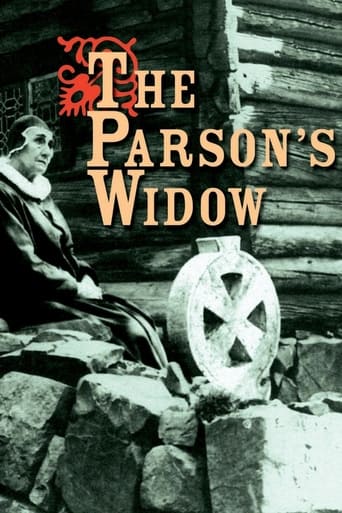
Ivar Blekarstad worked on one surviving credit: The Parson's Widow (1920). Primarily known for his role in Carl Theodor Dreyer's 1920 film 'The Parson's Widow.' His career in cinema was notably brief, with this single film credit representing his entire known filmography. The film, directed by the Danish filmmaker Carl Theodor Dreyer before his international acclaim, was one of the early Norwegian productions that helped establish the Nordic film industry. Blekarstad's performance came during a pivotal period when Scandinavian cinema was gaining recognition for its artistic innovation and technical sophistication. Despite the limited scope of his film career, his participation in this historically significant film places him within the context of early Norwegian cinema development. Ivar Blekarstad's brief appearance in the film industry coincided with the transition from short films to feature-length productions in Norway. His contribution, though small, represents the collaborative efforts of the many actors who helped build the foundation of Scandinavian cinema during its formative years.
The Craft
Milestones
- Appeared in Carl Theodor Dreyer's early film 'The Parson's Widow' (1920)
- Participated in early Norwegian silent cinema during its developmental period
Best Known For
Must-See Films
Working Relationships
Worked Often With
Why They Matter
Impact on Culture
Ivar Blekarstad's cultural impact is primarily tied to his participation in 'The Parson's Widow,' a film that represents an important milestone in early Scandinavian cinema and Carl Theodor Dreyer's development as a director. Though his individual contribution was small, he was part of a collective effort that helped establish Norway's presence in international silent cinema during the 1920s. The film itself is historically significant as one of Dreyer's early works, showcasing the artistic sensibilities that would later make him one of cinema's most revered auteurs. His involvement, however brief, places him within the lineage of actors who contributed to the golden age of Scandinavian film, which significantly influenced international cinema through its technical innovation and artistic depth.
Lasting Legacy
Ivar Blekarstad's legacy is that of a representative figure from the early days of Norwegian cinema, embodying the many actors whose contributions, while not individually celebrated, collectively built the foundation of their national film industries. His single known film credit in 'The Parson's Widow' ensures his place in film history as a participant in. The preservation of this film has allowed his work to be documented and studied by film historians interested in the development of Nordic cinema and Carl Theodor Dreyer's early career. While he did not achieve lasting fame as an individual performer, his contribution shows the collaborative nature of filmmaking and the importance of every participant in creating cinematic art.
Who They Inspired
Due to the limited scope of his film career, Ivar Blekarstad's direct influence on other actors or filmmakers cannot be documented. However, his participation in a Carl Theodor Dreyer film places him within the sphere of influence that Dreyer's work exerted on international cinema, particularly in terms of realistic performance styles and naturalistic acting that contrasted with the more theatrical approaches common in silent film. The film itself influenced subsequent generations of filmmakers with its innovative use of location shooting and natural lighting, techniques that Blekarstad would have experienced firsthand during production.
Off Screen
Very little information is available about Ivar Blekarstad's personal life, as was common for many supporting actors in early Scandinavian cinema who did not achieve star status. His brief appearance in film history suggests he may have been primarily active in other professions or theatrical pursuits outside of cinema.
Did You Know?
- Appeared in only one known film throughout his entire career
- Worked with Carl Theodor Dreyer before the director achieved international fame
- Participated in early Norwegian cinema during its formative years
- His film 'The Parson's Widow' was one of the early examples of feature-length Norwegian productions
- The film was shot on location in Norway, which was innovative for its time
- Despite being a silent film, it was distributed internationally and helped showcase Scandinavian cinema
- The actor's name appears in historical records primarily due to the film's preservation and study by film historians
Frequently Asked Questions
Who was Ivar Blekarstad?
Norwegian with credits in this catalog.' His career in cinema was limited to this single production, making him a representative figure of the many supporting actors who contributed to early Scandinavian film development.
What films is Ivar Blekarstad best known for?
Titles linked here include The Parson's Widow (1920).
When was Ivar Blekarstad born and when did he die?
Specific birth and death dates for Ivar Blekarstad are not documented in historical records, which was common for many supporting actors in early Scandinavian cinema who did not achieve star status. He is known to have been Norwegian and active in 1920.
What awards did Ivar Blekarstad win?
There are no documented awards or nominations for Ivar Blekarstad, which was typical for many supporting actors in early cinema, particularly in smaller national film industries like Norway's during the silent era.
What was Ivar Blekarstad's acting style?
Specific details about Ivar Blekarstad's acting style are not documented in historical records. As a performer in a Carl Theodor Dreyer film, he likely worked within the director's preference for naturalistic performances that contrasted with the more theatrical acting common in silent cinema.