Films
4 films
About Hildur Carlberg
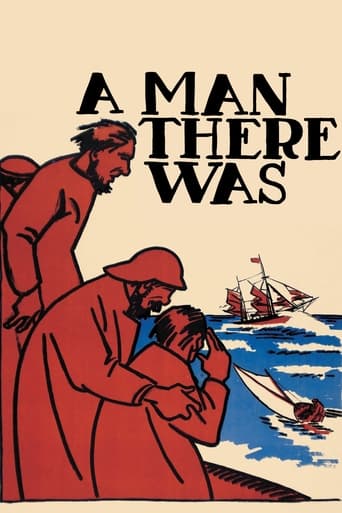
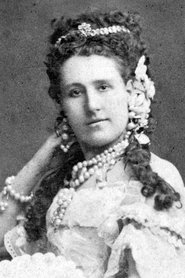
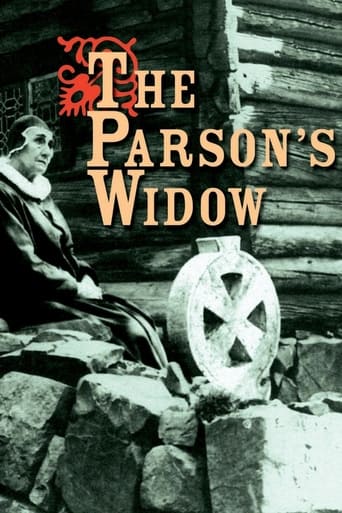
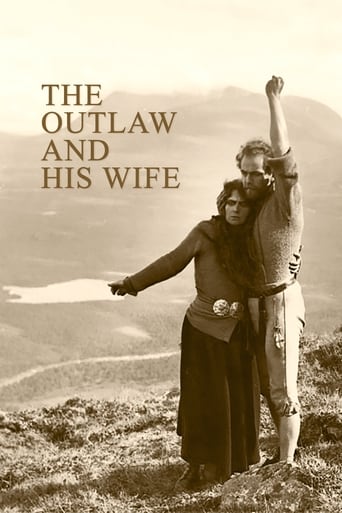
Swedish silent-film actress: screen career is documented in the late 1910s and early 1920s, a period that coincided with the international rise of Swedish cinema. She is known from surviving filmographies for appearing in a small but significant group of films associated with the celebrated Swedish literary-adaptation tradition, including A Man There Was (1917), The Outlaw and His Wife (1918), Sons of Ingmar (1919), and The Parson's Widow (1920). These titles place her within the orbit of the great early Scandinavian film movement, particularly the productions associated with Victor Sjöström and the Swedish studio system. Because detailed biographical records for many silent-era performers are fragmentary, much of Carlberg's personal life remains undocumented in readily available reference sources, and her screen work is the main reason she is remembered today. Her known career arc suggests that she worked during one of Swedish cinema's most internationally influential moments, when atmospheric location shooting, literary prestige, and psychologically nuanced performances were helping define art cinema before the sound era. Although she does not appear to have become a major star in the later global sense, her participation in these landmark films connects her to some of the most important achievements of early film history. Her legacy is therefore tied less to celebrity than to the preservation and appreciation of Scandinavian silent film as an essential part of world cinema heritage.
The Craft
On Screen
No detailed contemporary acting analysis specific to Hildur Carlberg is widely documented in standard reference sources. Based on the films she appeared in, her work would have been shaped by the restrained, expressive performance style typical of late silent cinema, emphasizing facial expression, body language, and emotionally legible gestures rather than overt theatricality. Her screen presence is best understood in the context of Swedish silent film's preference for naturalistic, psychologically shaded acting, especially in the productions of this era.
Milestones
- Appeared in A Man There Was (1917), one of the best-known works of early Swedish silent cinema
- Acted in The Outlaw and His Wife (1918), a major Victor Sjöström film adapted from Selma Lagerlöf
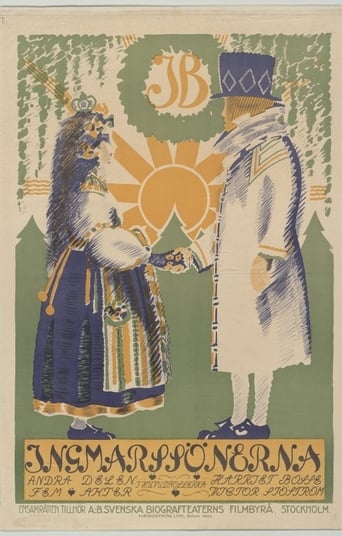
- Was part of the cast of Sons of Ingmar (1919), another important Swedish literary adaptation
- Appeared in The Parson's Widow (1920), continuing her association with prestigious Scandinavian silent productions
- Worked during the peak international period of the Swedish silent-film movement, which influenced art cinema worldwide
- Participated in films that remain central to the study of early Nordic cinema and screen acting
Best Known For
Iconic Roles
Must-See Films
Working Relationships
Worked Often With
Studios
Why They Matter
Impact on Culture
Hildur Carlberg's cultural importance lies in her presence within a crucial phase of Swedish silent cinema, a national film movement that achieved unusual international prestige well before Hollywood dominated the world market. By appearing in literary adaptations and prestige productions of the era, she contributed to films that helped establish Scandinavian cinema as sophisticated, atmospheric, and emotionally serious. Even when individual performers from this period are not extensively documented, their work survives as part of a broader artistic movement that shaped the aesthetics of world cinema, especially in the use of landscape, moral drama, and expressive restraint. Her filmography places her inside a tradition that modern critics and historians continue to study for its influence on realism, visual storytelling, and the silent-era art film.
Lasting Legacy
Carlberg's legacy is largely archival and historical: she is remembered as part of the ensemble of actors who brought Sweden's landmark silent films to life during a formative period in film history. Her surviving credits anchor her to productions that are regularly cited in histories of Scandinavian and silent cinema, ensuring that her name remains connected to works of enduring scholarly interest. While she does not appear to have left behind a large individually celebrated body of work, her contribution is nevertheless meaningful because ensemble players in prestige silent films often helped define the emotional tone and credibility of the entire production. For film historians, her value lies in the evidence she provides of the breadth of talent working in early Swedish cinema beyond the best-known stars and directors.
Who They Inspired
Any influence Hildur Carlberg had was likely indirect, through participation in a cinema movement that influenced later filmmakers, actors, and critics. The Swedish silent style, with its emphasis on natural settings, emotional subtlety, and literary seriousness, helped shape international conceptions of what film acting could accomplish. By being part of films from this tradition, Carlberg contributed to an aesthetic that later directors and performers studied as a model of expressive understatement. Her influence is therefore best understood as institutional and historical rather than as a traceable personal mentorship lineage.
Off Screen
Publicly accessible biographical information about Hildur Carlberg's personal life is extremely limited. Standard film references emphasize her screen credits rather than marriages, family background, or later-life activities, and no widely cited personal narrative has survived in mainstream sources. As with many silent-era performers, her private life appears to be poorly documented, making it difficult to separate confirmed fact from speculation. In the absence of reliable evidence, her personal relationships and later years cannot be stated with confidence.
Education
No reliable publicly documented information found about her education.
Did You Know?
- Hildur Carlberg is associated with four notable silent films released between 1917 and 1920.
- Her credited work falls entirely within the peak years of Sweden's internationally admired silent-film era.
- She appeared in productions linked to literary and dramatic prestige rather than low-budget popular fare.
- Her filmography connects her to Victor Sjöström,.
- The titles she is known for are among the best-known Swedish silent films of their time.
- Like many silent-era performers, she is difficult to research because biographical records are sparse or incomplete.
- Her surviving screen credits make her more visible to historians than to casual viewers, since she is part of ensemble casts in landmark films.
- She is an example of the many early-film actors whose reputations depend on film preservation and historical scholarship.
Frequently Asked Questions
Who was Hildur Carlberg?
Swedish silent-film actress active in the late 1910s and early 1920s. She is best known for appearing in important Scandinavian films such as A Man There Was, The Outlaw and His Wife, Sons of Ingmar, and The Parson's Widow.
What films is Hildur Carlberg best known for?
Titles linked here include A Man There Was (1917), The Outlaw and His Wife (1918).
When was Hildur Carlberg born and when did she die?
Her birth and death dates are not readily available in standard reference sources, so they are currently unconfirmed. The surviving record is strongest for her film credits rather than for detailed personal biography.
What awards did Hildur Carlberg win?
No major awards or formal honors are documented for Hildur Carlberg in the available historical record. Many silent-era actors, especially those with limited surviving biographical information, were never recorded in contemporary award systems the way later performers were.
What was Hildur Carlberg's acting style?
A specific critical description of her acting style has not survived in widely accessible sources. Based on the films she appeared in, her work would have reflected the expressive but restrained silent-era style associated with Swedish cinema, emphasizing visual clarity, emotional nuance, and naturalistic presence.
What is Hildur Carlberg's legacy in film history?
Her legacy is tied to the landmark period of Swedish silent cinema and to the internationally respected films in which she appeared. Even though she is not a widely documented star, her work remains part of an important artistic tradition that influenced the development of world cinema.