Films
2 films
About Mathilde Nielsen
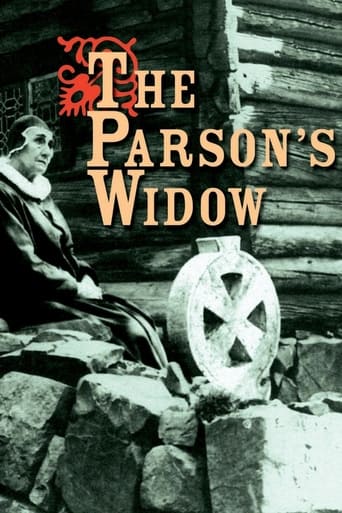
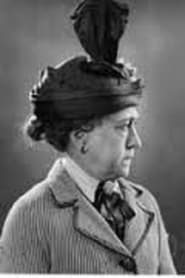
This archive lists one role for Mathilde Nielsen: The Parson's Widow (1920). Born in Denmark in the mid-19th century, she began her career on the stage before transitioning to film work as the medium gained popularity in the 1910s. Her most notable film appearance was in Carl Theodor Dreyer's acclaimed 1920 silent film 'The Parson's Widow' (Præstens Enke), where she delivered a memorable performance that showcased the emerging talent of Scandinavian cinema. Nielsen's acting style reflected the theatrical traditions of her era while adapting to the more intimate medium of film. Although her film career appears to have been brief, concentrated primarily around 1920, her contribution to early Danish cinema represents an important part of the foundation upon which Scandinavian film artistry would build. Her work during this transitional period from stage to screen helped establish acting techniques that would influence subsequent generations of performers in Nordic cinema.
The Craft
On Screen
Mathilde Nielsen's acting style was characteristic of the transitional period from theatrical to cinematic performance, combining the expressive gestures of stage acting with the more subtle facial expressions required for silent film. Her performances demonstrated the technical skill needed to convey complex emotions through visual means alone, a crucial ability in the silent era.
Milestones
- Starred in Carl Theodor Dreyer's 'The Parson's Widow' (1920)
- Transitioned from stage acting to silent film performance
- Contributed to early Danish cinema during its formative years
Best Known For
Iconic Roles
Must-See Films
Accolades
Special Recognition
- Recognized as part of early Danish cinema heritage
Working Relationships
Worked Often With
Studios
Why They Matter
Impact on Culture
Mathilde Nielsen's contribution to Danish cinema, though brief, represents an important part of the foundation upon which Scandinavian film built its international reputation. Her work in 'The Parson's Widow' helped establish the quality and artistic ambition that would characterize Danish cinema in the decades to follow. The film itself has become a classic of early cinema, and performances like Nielsen's provided the human depth that made these early films emotionally resonant for audiences of the time.
Lasting Legacy
Mathilde Nielsen's legacy is preserved through her role in one of Carl Theodor Dreyer's early masterpieces, 'The Parson's Widow,' which continues to be studied and appreciated by film historians and enthusiasts. Her performance exemplifies the transition from theatrical to cinematic acting styles that occurred during the silent era. As part of Denmark's early film heritage, she represents the generation of performers who helped establish the artistic credibility of cinema as a serious art form in Scandinavia.
Who They Inspired
While Mathilde Nielsen's film career was brief, her work influenced the development of acting techniques in early Danish cinema, particularly in the realm of silent film performance. Her collaboration with Carl Theodor Dreyer contributed to the director's understanding of how to elicit naturalistic performances from actors working within the constraints of silent cinema, knowledge that would inform his later, more famous works.
Off Screen
Mathilde Nielsen lived through a transformative period in Danish cultural history, witnessing the emergence of cinema as a major art form. Her active years covered the transition from 19th-century theatrical traditions to 20th-century cinematic innovation, placing her at an important crossroads in performing arts history.
Did You Know?
- Appeared in only one known film, 'The Parson's Widow' (1920)
- Worked with legendary director Carl Theodor Dreyer during his early career
- Was approximately 62 years old when she made her film debut
- Her film was produced by Nordisk Film, one of Denmark's oldest and most prestigious film studios
- The Parson's Widow was one of Dreyer's first feature films as a director
- Her performance helped establish the tradition of strong character acting in Danish cinema
- The film she appeared in has been preserved and restored for modern audiences
- Represents the generation of stage actors who successfully transitioned to film
- Her work exemplifies the sophisticated storytelling techniques emerging in Scandinavian cinema during the silent era
Frequently Asked Questions
Who was Mathilde Nielsen?
Danish actress best known for her role in Carl Theodor Dreyer's 1920 silent film 'The Parson's Widow.' She was part of the transition generation from stage to screen acting in early Danish cinema.
What films is Mathilde Nielsen best known for?
Titles linked here include The Parson's Widow (1920).
When was Mathilde Nielsen born and when did she die?
Born 1858; died 1945.
What awards did Mathilde Nielsen win?
There are no recorded awards for Mathilde Nielsen, which was common for actors in the very early days of cinema, particularly those with brief film careers.
What was Mathilde Nielsen's acting style?
Her acting style reflected the transitional period from theatrical to cinematic performance, combining the expressive gestures of stage acting with the subtle facial expressions required for silent film.