
Carl Theodor Dreyer
Director
Born: February 3, 1889 in Copenhagen, Denmark Died: March 20, 1968 Active: 1919-1964
Films
8 films

About Carl Theodor Dreyer
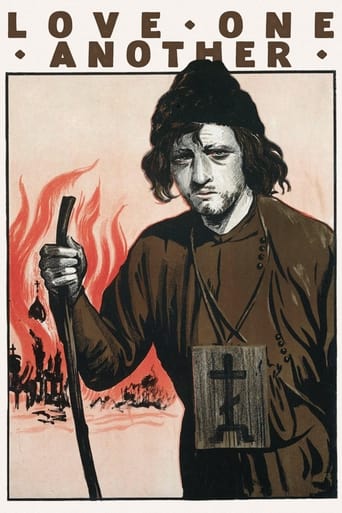
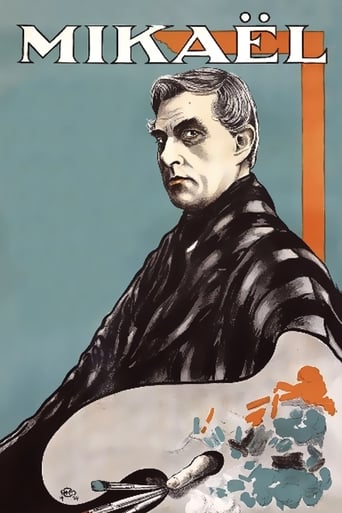
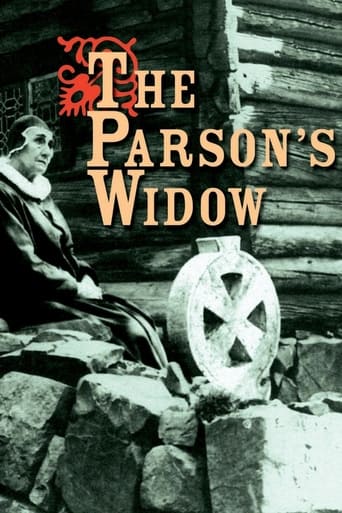
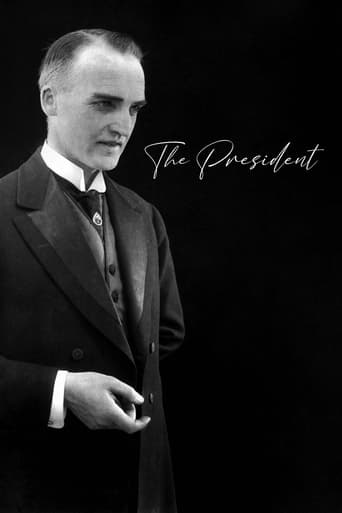
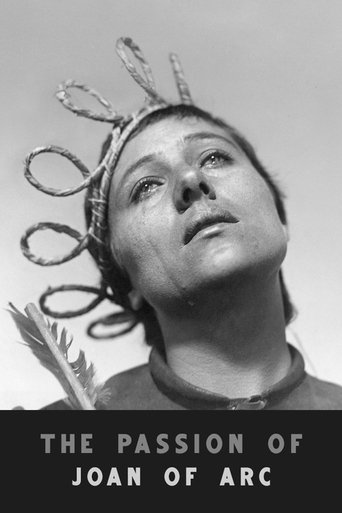
Carl Theodor Dreyer was born in Copenhagen, Denmark, on February 3, 1889, as an illegitimate child who was given up for adoption and raised in a strict Lutheran household by foster parents. He began his career as a journalist before transitioning to film, working as a screenwriter and script editor at Nordisk Film from 1913 to 1918. Dreyer made his directorial debut with 'The President' in 1919, quickly establishing his reputation for meticulous craftsmanship and psychological depth. His international breakthrough came with 'The Passion of Joan of Arc' (1928), featuring Renée Falconetti's performance and innovative use of close-ups. Despite facing constant financial struggles and limited commercial success throughout his career, Dreyer continued to create masterpieces including 'Vampyr' (1932), 'Day of Wrath' (1943), 'Ordet' (1955), and his final film 'Gertrud' (1964). His films, though few in number (only 14 feature films), are celebrated for their spiritual intensity, formal precision, and profound exploration of human suffering and faith. Dreyer died in Copenhagen on March 20, 1968, leaving behind a legacy as one of cinema's most uncompromising and spiritually profound auteurs.
The Craft
Behind the Camera
Dreyer's directing style was characterized by extreme precision, spiritual intensity, and psychological depth. He was a meticulous perfectionist who demanded absolute authenticity from his actors, often requiring dozens of takes for a single scene. His visual style emphasized close-ups to capture emotional truth, creating an almost claustrophobic intimacy with his characters. Dreyer's films explore themes of faith, suffering, redemption, and the human condition with a transcendent quality that transcends their historical settings. He employed long takes, precise compositions, and a deliberate pacing that creates a meditative, almost ritualistic atmosphere. His approach was deeply influenced by his Lutheran upbringing and personal spiritual quest, resulting in films that function as both psychological dramas and spiritual parables.
Milestones
- Directed 'The Passion of Joan of Arc' (1928), considered one of the greatest films ever made
- Created the influential horror film 'Vampyr' (1932)
- Won the Golden Lion at Venice Film Festival for 'Ordet' (1955)
- Directed 'Day of Wrath' (1943) during Nazi occupation of Denmark
- Completed final masterpiece 'Gertrud' (1964) at age 75
- Pioneered use of close-ups and psychological realism in silent cinema
- Worked across multiple European countries and languages
Best Known For
Must-See Films
Accolades
Won
- Golden Lion (Best Film) - Venice Film Festival for 'Ordet' (1955)
- Bodil Award for Best Danish Film for 'Ordet' (1956)
- Vatican Film List inclusion for 'The Passion of Joan of Arc'
- National Society of Film Critics Award for 'Gertrud' (1965)
- Danish Film Academy's Honorary Robert Award (posthumous)
- Cannes Film Festival Technical Grand Prize for 'Gertrud' (1964)
Nominated
- Academy Award nomination for Best Story for 'Ordet' (1956)
- Palme d'Or nomination at Cannes for 'Gertrud' (1964)
- BAFTA nomination for 'Ordet' (1957)
- Golden Lion nomination for 'Day of Wrath' (1943)
Special Recognition
- Vatican's list of 45 greatest films
- Sight & Sound Critics' Poll - 'The Passion of Joan of Arc' ranked among top films of all time
- Danish Film Institute's Carl Theodor Dreyer Award established in his honor
- Copenhagen street named after him
- Danish postage stamp featuring his portrait
- Retrospectives at major film festivals worldwide
Working Relationships
Worked Often With
Studios
Why They Matter
Impact on Culture
Carl Theodor Dreyer's impact on cinema is immeasurable, establishing new standards for psychological realism and spiritual depth in filmmaking. His revolutionary use of close-ups in 'The Passion of Joan of Arc' created a new language for expressing interior states on screen, influencing generations of filmmakers. Dreyer's uncompromising artistic integrity and spiritual vision demonstrated that cinema could address profound philosophical and religious questions with the same seriousness as literature or painting. His films, particularly his treatment of female protagonists and themes of faith versus doubt, opened new possibilities for cinema as a medium for spiritual exploration. Dreyer's influence extends beyond technique to his very approach to filmmaking - his refusal to compromise his vision despite commercial pressures inspired independent filmmakers worldwide.
Lasting Legacy
Dreyer's legacy as one of cinema's greatest auteurs is secured by his small but extraordinary body of work that continues to influence filmmakers and scholars. His films are regularly cited in critics' polls as among the greatest ever made, with 'The Passion of Joan of Arc' consistently ranking in the top tier. The Carl Theodor Dreyer Award, established by the Danish Film Institute, honors excellence in filmmaking, ensuring his name remains prominent in contemporary cinema. His meticulous approach to filmmaking and spiritual vision have made his work timeless, with new generations discovering the power and beauty of his films. Dreyer's influence on art cinema is comparable to that of Bergman or Tarkovsky, and his films remain essential viewing for anyone serious about understanding cinema's artistic potential.
Who They Inspired
Dreyer's influence on cinema is profound and far-reaching, particularly on filmmakers interested in spiritual and psychological themes. Ingmar Bergman openly acknowledged Dreyer as a major influence, particularly in his treatment of faith and existential questions. Robert Bresson's minimalist style and spiritual concerns echo Dreyer's approach, while Andrei Tarkovsky's transcendent cinema owes a debt to Dreyer's poetic and metaphysical vision. Contemporary directors like Lars von Trier and Terrence Malick continue Dreyer's tradition of challenging, spiritually engaged filmmaking. His innovative use of close-ups influenced everything from Italian neorealism to the French New Wave, and his uncompromising artistic integrity inspired independent filmmakers to pursue personal vision over commercial success.
Off Screen
Dreyer had a difficult personal life marked by his illegitimate birth and strict religious upbringing. He was married twice but had no children, and his relationships were often strained by his obsessive dedication to his work and perfectionist nature. He maintained a relatively private personal life, with most of his energy focused on his artistic pursuits. Dreyer struggled with depression and financial difficulties throughout his career, often having to wait years between projects due to funding challenges. Despite these hardships, he remained committed to his artistic vision and never compromised his principles for commercial success.
Education
Self-taught filmmaker; worked as a journalist and gained film industry experience through practical work at Nordisk Film studio
Family
- Elda Rigmor Dreyer (1911-1918)
- Ebba Larsen (1922-1934)
Did You Know?
- Was born illegitimate and never met his biological mother
- Worked as a journalist before entering film industry
- Made only 14 feature films in his 45-year career
- The Passion of Joan of Arc was lost for decades before a perfect copy was found in 1981
- Renée Falconetti never made another film after her performance as Joan
- Dreyer was so demanding that actors often suffered breakdowns during filming
- He was offered but refused to direct in Hollywood multiple times
- Vampyr was financed by a French aristocrat who wanted to be a vampire in the film
- Ordet was banned in several countries for its religious themes
- Gertrud was initially a critical and commercial failure but is now considered a masterpiece
- He was a practicing Lutheran throughout his life despite questioning institutional religion
- His films often featured strong female protagonists facing persecution or spiritual crisis
In Their Own Words
Nothing in the world can be compared to the human face. It is a land one can never tire of exploring.
I want to make a film that will move people so deeply that they will be unable to leave the theater before the lights come on.
Film is a medium that can express the invisible through the visible.
I am not a man of the church, but I am a man of faith.
The truth is that I am a very religious person, but I am not a church person.
Every film I make is a prayer.
I have always tried to make films that are prayers, not sermons.
The camera is a microscope and a telescope at the same time.
Frequently Asked Questions
Who was Carl Theodor Dreyer?
Danish on YTB.my. His work is characterized by extreme precision, spiritual themes, and innovative use of close-ups to explore human consciousness and faith.
What films is Carl Theodor Dreyer best known for?
Titles linked here include The Passion of Joan of Arc (1928), Vampyr (1932).
When was Carl Theodor Dreyer born and when did he die?
Born February 3, 1889; died March 20, 1968.
What awards did Carl Theodor Dreyer win?
Dreyer won the Golden Lion at the Venice Film Festival for 'Ordet' in 1955, multiple Bodil Awards for Best Danish Film, and the Cannes Technical Grand Prize for 'Gertrud'. His films have been included in the Vatican's list of greatest films and consistently rank among the top films in critics' polls.
What was Carl Theodor Dreyer's directing style?
Dreyer's directing style was characterized by meticulous precision, spiritual intensity, and psychological depth. He pioneered the use of close-ups to capture emotional truth, employed long takes and deliberate pacing, and explored themes of faith, suffering, and redemption with transcendent quality. His approach was influenced by his Lutheran upbringing and personal spiritual quest.