
Once Upon a Time
"Princess of Illyria has spurned every suitor, when a gypsy"
Keys: Space play/pause · ←/→ 10s · F fullscreen · M mute · </> speed
About this film
The Princess of Illyria has spurned every suitor, when a gypsy loitering around the castle catches her eye. In actuality, he is the Prince of Denmark, there with his friend Kasper Røghat. The prince captivates her with magic devices, a noisemaker and a copper kettle, in return for kisses and a night in her bedchamber. When Kasper Røghat tells the king about the “affair,” the princess is thrown out of the castle, forcing her to settle in Denmark with the prince and work as a poor potter. Will the fairytale have a happy ending? (Stumfilm.dk).
Cast & crew
More films like this
More Drama films
View all →







More from Carl Theodor Dreyer
View all →

More about this film
About the production
Release dateOctober 2, 1922
ProductionNordisk Film
Filmed inDenmark, Studio locations in Copenhagen
This was Carl Theodor Dreyer's third feature film as director, showcasing his early mastery of visual storytelling and his ability to blend fairy tale elements with realistic human drama. The production faced challenges in creating the magical effects for the prince's devices using practical effects available in the early 1920s. Dreyer insisted on authentic period costumes and detailed set design to create the fairy tale atmosphere while maintaining a sense of realism.
Themes
Love and transformationSocial class and mobilityIdentity and disguiseThe nature of happinessAppearances versus reality
Themes & topics
fairy taleprincessprincedisguisemagicromanceexilesocial classtransformationpotterybetrayalredemption
Historical background
Nordisk Film's 1922 release of Once Upon a Time fit contemporary Denmark programs that mixed fiction, news, and novelty subjects for repeat weekly attendance.
Why this film matters
Programmers and historians revisit Once Upon a Time (1922) because its story—the princess of illyria has spurned every suitor, when a gypsy loitering around the castle catches her eye—illustrates popular narrative habits and production norms of the period.
Making of
Carl Theodor Dreyer approached this fairy tale adaptation with his distinctive artistic vision, despite it being an early work in his career. He insisted on extensive rehearsals to achieve naturalistic performances from his actors, particularly Clara Pontoppidan, whom he coached to convey the princess's emotional journey through subtle facial expressions and gestures. The production team built elaborate castle sets and meticulously crafted period costumes to create an authentic fairy tale atmosphere. Dreyer worked closely with cinematographer George Schnéevoigt to develop a visual style that balanced the romantic elements with psychological realism. The magical effects were created using practical techniques available in the early 1920s, including careful editing and camera tricks to make the ordinary objects appear enchanted. The potter's workshop scenes required training for the actors to convincingly portray the craft, with professional potters brought on set as consultants.
What critics said
English-language trade reviews of Once Upon a Time are limited for 1922. Where notices survive, they stress pacing and photographic clarity; later criticism values the title as archival evidence of studio style.
Did you know?
- the picture is based on a popular 1885 play by Danish poet and playwright Holger Drachmann, which itself was inspired by traditional fairy tale motifs.
- This was one of Peter Jerndorff's final film roles before his death in 1923, making it a significant part of his cinematic legacy.
- Clara Pontoppidan, who played the princess, was one of Denmark's most celebrated stage and film actresses of the silent era.
- The copper kettle and noisemaker used as 'magical' devices in the picture were actually common household items, emphasizing the theme that magic exists in the ordinary.
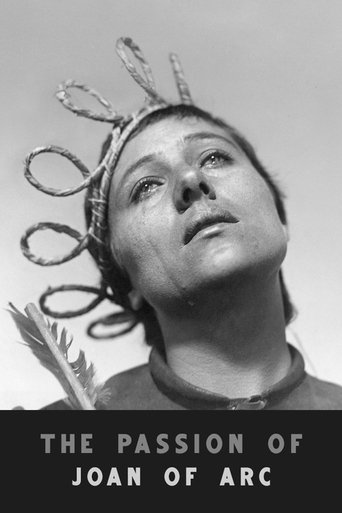
- Dreyer's adaptation was praised for its visual poetry and subtle psychological depth, elements that would become hallmarks of his later masterpieces like 'The Passion of Joan of Arc'.
- the picture's title 'Der var engang' is the Danish equivalent of 'Once upon a time,' the traditional opening of fairy tales.
- Despite being a fairy tale, Dreyer infused the story with his characteristic themes of suffering, redemption, and the complexity of human relationships.
- The potter's workshop scenes were filmed using real potters and authentic techniques to ensure accuracy in the depiction of the princess's new life.
- the picture was considered somewhat controversial in its time for its suggestive themes regarding the princess's relationship with the disguised prince.
- Only incomplete prints of the picture survive today, with some scenes lost due to the deterioration of nitrate film stock.
Visual style
The cinematography by George Schnéevoigt employs a sophisticated visual style that balances the fairy tale atmosphere with psychological realism. the picture uses lighting to create dramatic contrasts between the opulent castle interiors and the humble potter's workshop, visually reinforcing the themes of social status and personal transformation. Camera movements are deliberate and purposeful, with Dreyer already showing his preference for carefully composed static shots that emphasize character emotions. The use of soft focus techniques in romantic scenes helps create the dreamlike quality appropriate to the fairy tale genre, while sharper focus is employed in moments of dramatic revelation. the picture's visual language includes symbolic imagery, such as the recurring motif of the copper kettle representing both magic and domesticity. The cinematography also makes effective use of location shooting to ground the fantasy elements in realistic settings, creating a believable world for the story to unfold.
Innovations
the picture demonstrated several technical innovations for its time, particularly in its use of special effects to create the magical elements of the story. The production employed sophisticated editing techniques to make ordinary objects appear enchanted, using multiple exposures and careful timing to achieve the illusion of magic. The set design featured elaborate constructions that allowed for complex camera movements and lighting effects, enhancing the fairy tale atmosphere while maintaining visual realism. the picture's makeup and costume design were particularly noteworthy for their attention to historical accuracy and their ability to transform actors convincingly into their roles. The potter's workshop sequences required technical precision to film the craft processes authentically, using specialized camera setups to capture the details of pottery making. the picture also showcased advanced techniques in intertitle design, using typography and visual elements that complemented the overall aesthetic of the production.
Music
As a silent film, Once Upon a Time would have been accompanied by live musical performances during its theatrical run. The original score likely included classical pieces and popular songs of the era, selected to enhance the emotional impact of key scenes. Danish theaters typically employed small orchestras or skilled pianists to provide musical accompaniment, with the music carefully synchronized to the on-screen action and emotional tone. The romantic scenes would have featured sweeping melodic pieces, while moments of tension and drama would have been underscored with more dramatic musical selections. The fairy tale elements would have been enhanced with magical-sounding music, possibly using instruments like the harp or celesta to create an otherworldly atmosphere. Modern screenings of restored versions of the picture often feature newly composed scores that attempt to recreate the spirit of the original accompaniments while incorporating contemporary musical sensibilities.
Famous quotes
Love knows no rank, nor station, nor circumstance
Even a copper kettle can hold magic when touched by love
A princess in rags is still a princess in heart
Sometimes we must lose everything to find what truly matters
Memorable scenes
- The prince's first encounter with the princess where he uses the noisemaker to capture her attention
- The magical night in the princess's chamber with the copper kettle's mysterious properties
- The dramatic confrontation when Kasper Røghat betrays their secret to the king
- The princess's heartbreaking departure from the castle, leaving behind her life of privilege
- The tender scene where the princess learns pottery, symbolizing her transformation and adaptation to humble life
What audiences thought
the picture was well-received by Danish audiences upon its release, who appreciated seeing their national literary heritage adapted to the screen. The combination of a familiar story with fresh cinematic treatment proved popular with viewers of all ages. The romantic elements and fairy tale setting appealed to mainstream audiences, while the underlying themes of social commentary resonated with more sophisticated viewers. The chemistry between the lead actors was particularly praised by audiences, who found their on-screen romance believable despite the fantastical elements of the story. the picture's success at the Danish box office helped establish Dreyer as a director capable of both artistic achievement and popular appeal. International audiences who had the opportunity to see the picture responded positively to its visual beauty and emotional storytelling, though its limited distribution meant it never achieved the same level of fame as some of Dreyer's later works.
Film connections
Influenced by
- Holger Drachmann's play 'Der var engang'
- Traditional Danish fairy tales
- European romantic literature
- Contemporary German expressionist cinema
This film influenced
- Dreyer's later works exploring similar themes of suffering and redemption
- Subsequent Danish fairy tale film adaptations
- European art cinema that blends fantasy with realism
Film restoration
the picture survives in an incomplete form, with some sequences lost due to the deterioration of original nitrate prints. The Danish Film Institute holds restored portions of the picture, though approximately 15-20% of the original content is considered lost. Preservation efforts have focused on stabilizing the surviving elements and reconstructing the narrative through intertitles and surviving still photographs. The incomplete nature of the surviving print makes it a rare and valuable artifact of early Danish cinema, though it limits modern audiences' ability to experience Dreyer's complete original vision.
Where to watch
- Danish Film Institute archives (for research purposes)
- Specialized film archive screenings
- Occasional festival screenings of restored versions
- Academic film studies collections