Films
2 films
About Hakon Ahnfelt-Rønne
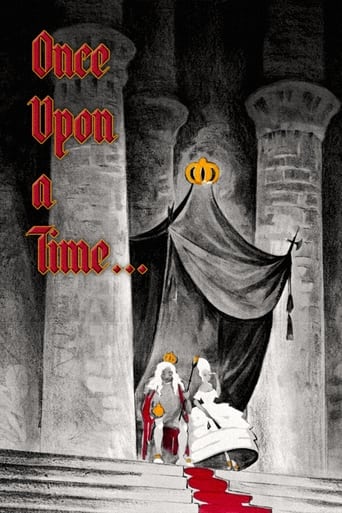
Hakon Ahnfelt-Rønne worked on one surviving credit: Once Upon a Time (1922). His career appears to have been extremely brief, with only one confirmed film credit to his name in the 1922 production 'Once Upon a Time' (Danish title likely 'Der var engang'). Given the limited documentation of his filmography, he was likely either a character actor, stage performer who briefly ventured into cinema, or someone who left the entertainment industry shortly after their debut. The Danish film industry during this period was experiencing its golden age, with many actors transitioning between stage and screen performances. His appearance in a 1922 production places him at the tail end of Denmark's silent cinema dominance, as the industry would soon face challenges from Hollywood's increasing global reach. Unfortunately, detailed records about his life, career trajectory, or reasons for leaving the film industry are scarce, which was not uncommon for supporting actors of this era who often left minimal archival traces.
The Craft
Milestones
- Appeared in the 1922 Danish silent film 'Once Upon a Time'
Best Known For
Must-See Films
Why They Matter
Impact on Culture
Hakon Ahnfelt-Rønne's impact on cinema appears to be minimal due to his extremely brief documented career. As a performer in Denmark's silent film era, he represents the countless supporting actors and bit players who contributed to the early European cinema but whose names have largely been lost to history. His single film credit from 1922 places him within the context of Denmark's golden age of silent film, a period when Danish cinema was internationally recognized for its artistic innovation and technical achievements. While individual contributions may be difficult to trace, actors like Ahnfelt-Rønne were essential to the ensemble casts that brought early cinematic narratives to life.
Lasting Legacy
The legacy of Hakon Ahnfelt-Rønne is primarily archival, serving as a reminder of the many performers who participated in early cinema but left minimal documentation of their careers. His name appears in film databases and historical records as part of the cast of a 1922 Danish production, contributing to the comprehensive documentation of silent era film personnel. Like many obscure figures from early cinema, his story illustrates the challenges of film history preservation, where countless artists who contributed to the medium's development remain largely unknown to modern audiences. His inclusion in film databases helps maintain the completeness of historical records for early Danish cinema.
Who They Inspired
Given the limited documentation of Hakon Ahnfelt-Rønne's career, there is no evidence of direct influence on other performers or filmmakers. However, as part of Denmark's silent film industry during its creative peak, he contributed to an ecosystem that would influence international cinema development. Danish silent films of this era were known for their psychological depth and technical innovation, and even minor performers played roles in creating these influential works that would inspire filmmakers across Europe and eventually Hollywood.
Off Screen
Very limited information is available about Hakon Ahnfelt-Rønne's personal life. Given the brevity of his documented film career and the lack of extensive biographical records, he likely maintained a private life outside of his brief cinematic appearance. Many actors of this era, particularly those with minimal film credits, often had primary careers in other fields or returned to stage performance after brief film appearances.
Did You Know?
- His film career appears to have lasted only one year, with a single confirmed credit
- The name structure 'Ahnfelt-Rønne' suggests Danish noble or bourgeois heritage
- 1922 was near the end of Denmark's golden age of silent cinema
- Many Danish actors of this era were also accomplished stage performers
- Silent era actors often used their real names rather than stage names
- The lack of extensive documentation was common for supporting actors of this period
- Danish cinema in the 1920s was internationally recognized before being overshadowed by Hollywood
Frequently Asked Questions
Who was Hakon Ahnfelt-Rønne?
Screen credits include only one known film, the 1922 production 'Once Upon a Time.' His career appears to have been extremely brief, making him one of the many obscure performers from early cinema who left minimal documentation of their work in the film industry.
What films is Hakon Ahnfelt-Rønne best known for?
Titles linked here include Once Upon a Time (1922).
When was Hakon Ahnfelt-Rønne born and when did he die?
Specific birth and death dates for Hakon Ahnfelt-Rønne are not documented in available historical records. Based on his film appearance in 1922 and typical career patterns of the era, he was likely born in the late 19th century, but exact dates remain unknown due to the limited documentation of minor film performers from this period.
What awards did Hakon Ahnfelt-Rønne win?
There are no records of Hakon Ahnfelt-Rønne receiving any awards or nominations for his film work. Given his extremely brief career with only one documented film credit, he would not have been eligible for major recognition, and many film awards systems were not yet established during his active period in 1922.
What was Hakon Ahnfelt-Rønne's acting style?
Due to the lack of extensive documentation and surviving films featuring Hakon Ahnfelt-Rønne, his specific acting style cannot be determined. As a performer in Danish silent cinema of 1922, he would have likely employed the exaggerated gestures and facial expressions typical of the silent era, but detailed analysis of his technique is impossible without access to his work or contemporary reviews.