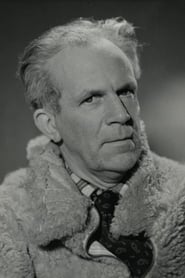
Svend Methling
Actor
Born: October 1, 1891 in Copenhagen, Denmark Died: June 4, 1971 Active: 1922-1968
Films
1 film
About Svend Methling
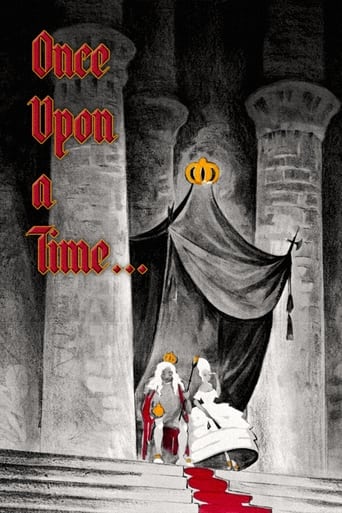
Danish actor and director who emerged during the golden age of Danish silent cinema. Born in Copenhagen in 1891, he began his acting career in the early 1920s, appearing in Carl Theodor Dreyer's acclaimed 1922 film 'Der var engang' (Once Upon a Time). While his acting career was relatively brief, Methling transitioned successfully into directing, becoming one of Denmark's notable filmmakers in the 1930s and 1940s. He directed numerous popular Danish films, often working with the country's biggest stars of the era. Methling's several decades, allowing him to witness and contribute to the evolution of Danish cinema from silent films to sound productions. His legacy continued through his son, Svend Methling Jr., who also became a prominent figure in Danish film and television. Throughout his career, Methling demonstrated versatility both in front of and behind the camera, leaving an indelible mark on Danish cultural heritage.
The Craft
On Screen
As a silent film actor, Methling employed the exaggerated yet nuanced physical expressions typical of the era, conveying emotion through gesture and facial expression rather than dialogue. His performances were characterized by a naturalistic approach within the constraints of silent cinema, avoiding the melodramatic excesses common among some of his contemporaries.
Milestones
- Acted in Carl Theodor Dreyer's 'Der var engang' (1922)
- Transitioned to directing in the 1930s
- Directed over 20 feature films
- Mentored his son Svend Methling Jr. In filmmaking
- Contributed to Danish television in later years
Best Known For
Iconic Roles
Must-See Films
Accolades
Won
- Bodil Award Honorary Mention (1951)
Nominated
- Bodil Award for Best Danish Film (1949) - 'For frihed og ret'
Special Recognition
- Recognized as a pioneer of Danish cinema
- Honored at the Danish Film Institute for lifetime contributions
Working Relationships
Worked Often With
Studios
Why They Matter
Impact on Culture
Svend Methling played a significant role in the development of Danish cinema during its formative years. His work helped bridge the gap between silent and sound cinema in Denmark, ensuring the country's film industry remained competitive during this transitional period. As both an actor and director, he contributed to establishing a distinctly Danish cinematic identity that emphasized local stories, culture, and values. His films reflected and shaped Danish society during the mid-20th century, addressing contemporary issues while entertaining audiences.
Lasting Legacy
Svend Methling's legacy endures through his extensive body of work and the continued influence of the Methling family in Danish entertainment. His films are preserved and studied as important examples of Danish cinema's development. The transition from performer to director that he successfully navigated inspired many Danish filmmakers who followed. His son Svend Methling Jr. Carried forward the family's cinematic tradition, ensuring that the Methling name remained synonymous with quality Danish film and television production for decades.
Who They Inspired
Methling influenced Danish cinema by demonstrating how to successfully transition between acting and directing roles. His work with directors like Carl Theodor Dreyer helped establish technical and artistic standards for Danish film production. As a mentor to younger filmmakers, including his own son, he passed on valuable knowledge about both the artistic and practical aspects of filmmaking. His ability to adapt to changing technologies and audience preferences provided a model for career longevity in the film industry.
Off Screen
Svend Methling came from a family with strong ties to Danish theater and cinema. He married and had children, including his son Svend Methling Jr. Who would follow in his footsteps. The Methling family became one of Denmark's most prominent film dynasties, with multiple generations contributing to the country's cultural landscape. Methling maintained a relatively private personal life despite his public career, focusing on his craft and family.
Education
Formal acting training in Copenhagen, likely at the Royal Danish Theatre School or similar institution
Family
- Unknown - records not publicly available
Did You Know?
- His son Svend Methling Jr. Was born in 1920, just two years before his father's film debut
- The 1922 film 'Der var engang' was based on a popular Danish play by Holger Drachmann
- Methling worked during a golden age of Danish cinema when the country was one of Europe's leading film producers
- He successfully navigated the challenging transition from silent films to talkies
- The Methling family name became synonymous with Danish entertainment for over 50 years
- His directing active years covered from the 1930s through the 1960s, covering multiple eras of filmmaking
- He was part of the generation that helped establish Denmark's reputation for quality international cinema
- His films often featured collaborations with Denmark's most popular actors of the time
In Their Own Words
Cinema is not just entertainment; it is the mirror of our society and the keeper of our stories
The transition from silent to sound was not just technical—it required us to learn a new language of filmmaking
Frequently Asked Questions
Who was Svend Methling?
Danish actor and on YTB.my. He began as an actor in silent films, notably appearing in Carl Theodor Dreyer's 'Der var engang' (1922), before transitioning to a successful directing career.
What films is Svend Methling best known for?
Titles linked here include Der var engang (1922), De blaa drenge (1933).
When was Svend Methling born and when did he die?
Born October 1, 1891; died June 4, 1971.
What awards did Svend Methling win?
Methling received a Bodil Award Honorary Mention in 1951 and was nominated for a Bodil Award for Best Danish Film in 1949 for 'For frihed og ret'. He was also recognized by the Danish Film Institute for his lifetime contributions to cinema.
What was Svend Methling's acting and directing style?
As a silent film actor, Methling used expressive physical techniques typical of the era while maintaining naturalism. As a director, he evolved to embrace cinematic storytelling, focusing on Danish themes and family narratives with strong visual composition and pacing that adapted well to both silent and sound cinema.