
Films
2 films
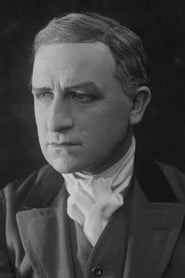
About Viggo Wiehe
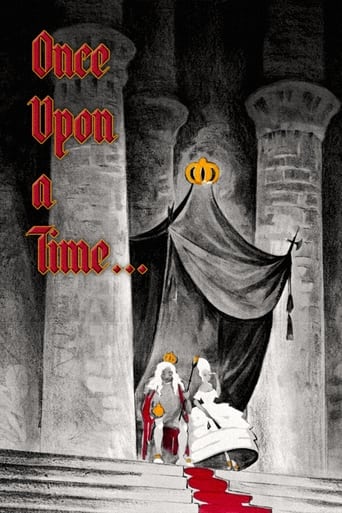
Danish actor who had a brief but notable career during the golden age of Danish silent cinema in the early 1920s. His most significant work came in 1921 when he appeared in Carl Theodor Dreyer's masterpiece 'Leaves from Satan's Book' (Blade af Satans Bog), films in Danish cinematic history. Wiehe's performance in this ambitious anthology film, which depicted Satan's influence across different historical periods, demonstrated his ability to handle complex dramatic material. The following year, he appeared in 'Once Upon a Time' (Der var engang), another significant Danish silent film directed by Carl Theodor Dreyer, based on a Holger Drachmann play. Despite his limited filmography, Wiehe's association with Dreyer's work places him within an important circle of early Danish cinema pioneers. His career appears to have been concentrated primarily in theater, with his film work representing only a small portion of his artistic output. The brevity of his film career was not uncommon for actors of this era, many of whom maintained primary careers in stage performance while occasionally appearing in films.
The Craft
On Screen
Wiehe's acting style reflected the theatrical traditions of the early 20th century, characterized by expressive gestures and dramatic intensity typical of silent film performance. His work in Dreyer's films demonstrated a capacity for both subtle emotional nuance and broader dramatic effects, adapting well to the camera's demands while maintaining the gravitas of stage-trained performers of his era.
Milestones
- Appeared in Carl Theodor Dreyer's 'Leaves from Satan's Book' (1921)
- Starred in Dreyer's 'Once Upon a Time' (1922)
- Participated in Denmark's golden age of silent cinema
Best Known For
Iconic Roles
Must-See Films
Accolades
Special Recognition
- Recognized as part of Denmark's early cinema legacy through his work with Carl Theodor Dreyer
Working Relationships
Worked Often With
Studios
Why They Matter
Impact on Culture
Viggo Wiehe's contribution to cinema, though limited in scope, is significant due to his participation in two of Carl Theodor Dreyer's most important early works. These films are now recognized as crucial examples of Danish silent cinema and helped establish Dreyer's reputation as one of cinema's great auteurs. Wiehe's performances, preserved in these films, provide valuable documentation of Danish acting styles during the silent era and contribute to our understanding of how theatrical traditions were adapted to the new medium of film. His work represents the transition from stage-dominated performance to the emergence of a distinctly cinematic acting style.
Lasting Legacy
While Viggo Wiehe may not be widely remembered today, his legacy endures through his contributions to two foundational works of Danish cinema. 'Leaves from Satan's Book' and 'Once Upon a Time' are studied by film scholars and cinephiles interested in the development of European cinema, and Wiehe's performances remain part of these important cultural artifacts. His association with Carl Theodor Dreyer places him within the history of one of cinema's most revered directors, making him a footnote in the story of how Danish cinema achieved international artistic recognition.
Who They Inspired
As an actor with a very brief film career, Viggo Wiehe's direct influence on subsequent generations of performers appears limited. However, his work in Dreyer's films contributed to the artistic vocabulary that would influence later Danish and international cinema. The acting styles demonstrated in these early Danish films, including Wiehe's performances, helped establish approaches to cinematic acting that would evolve and influence film performance throughout the 20th century.
Off Screen
Viggo Wiehe was part of the Danish cultural scene during the late 19th and early 20th centuries, a period when Copenhagen was a major center for theatrical and artistic innovation. He lived through Denmark's transition from a primarily theatrical culture to one that embraced the new medium of cinema, witnessing the birth and early development of Danish film. His active years covered the period when Danish cinema was achieving international recognition, particularly through the work of directors like Carl Theodor Dreyer.
Education
Likely trained in classical theater, as was typical for Danish actors of his generation, though specific educational details are not documented in available sources
Family
- Information not available in public records
Did You Know?
- Appeared in only two known films, both directed by the legendary Carl Theodor Dreyer
- His film career coincided with what many consider the golden age of Danish silent cinema
- Both films he appeared in have been preserved and are still accessible to modern audiences
- Worked during the same period when Danish films were achieving international success before being overshadowed by Hollywood
- His active years covered the transition when many theater actors were beginning to work in the new medium of cinema
- Leaves from Satan's Book was Dreyer's most ambitious early film, featuring four separate stories from different historical periods
- Once Upon a Time was based on a popular Danish play by Holger Drachmann
- Denmark was one of the countries in early cinema, with Nordisk Film founded in 1906
- The early 1920s marked a period of artistic maturity in Danish cinema, moving away from earlier melodramatic styles
- Wiehe's performances provide insight into how classical Danish theater training was adapted for silent film
In Their Own Words
No documented famous quotes are available from Viggo Wiehe in existing sources
Frequently Asked Questions
Who was Viggo Wiehe?
Danish with credits in this catalog. Though his film career was brief, spanning only 1921-1922, he participated in some of the most significant works of Danish silent cinema.
What films is Viggo Wiehe best known for?
Titles linked here include Leaves from Satan's Book (1921), Once Upon a Time (1922).
When was Viggo Wiehe born and when did he die?
Born 1874; died 1956.
What awards did Viggo Wiehe win?
There are no documented awards or nominations for Viggo Wiehe in available historical records. During the early 1920s when he was active, formal film award systems were not yet established in Denmark or most of Europe.
What was Viggo Wiehe's acting style?
Wiehe's acting style reflected the theatrical traditions of his era, characterized by the expressive gestures and dramatic intensity typical of silent film performance. His work demonstrated the transition from stage acting to early film performance techniques.
Why is Viggo Wiehe significant in film history?
Viggo Wiehe is significant primarily due to his association with Carl Theodor Dreyer, one of cinema's greatest directors. His performances in Dreyer's early films contribute to our understanding of Danish cinema's artistic development during its golden age.
Did Viggo Wiehe have a long career in films?
No, Viggo Wiehe had a very brief film career, appearing in only two known films in 1921 and 1922. Like many actors of his era, he likely maintained a primary career in theater while occasionally working in the new medium of cinema.