
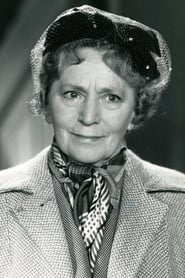
Clara Pontoppidan
Actor
Born: May 10, 1883 in Copenhagen, Denmark Died: April 22, 1968 Active: 1911-1922 (film career), extended to theater work beyond this period Birth Name: Clara Julie Marie Wiener
Films
5 films
About Clara Pontoppidan
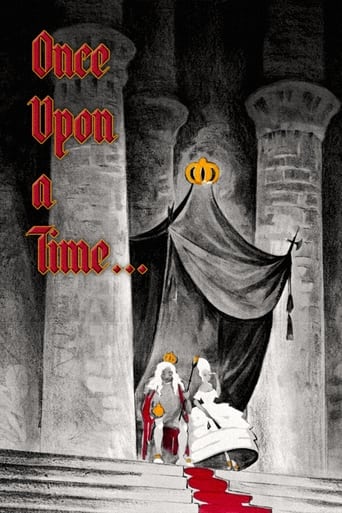
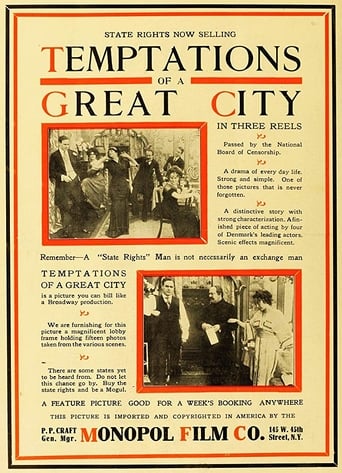
Clara Pontoppidan, born Clara Julie Marie Wiener, was a Danish actress who became prominent stars of early Danish cinema during the silent era. She began her career on the stage before transitioning to film in 1911, quickly establishing herself as a leading lady in Denmark's burgeoning film industry. Her performances in films like 'The Price of Beauty' (1911) and 'Temptations of a Great City' (1911) showcased her remarkable ability to convey complex emotions through the subtle techniques required by silent film acting. Throughout the 1910s and early 1920s, she worked with many of Denmark's most important early directors, helping to establish the reputation of Danish cinema internationally. Her role in 'The Power of Love' (1919) demonstrated her versatility and maturity as an actress, moving beyond the melodramatic style common in early cinema to more nuanced performances. By the time of 'Once Upon a Time' (1922), she had become one of Denmark's most respected and beloved actresses, known for her naturalistic style and emotional depth. Although her film career diminished with the advent of sound, she continued to work in theater and remained an influential figure in Danish cultural life until her death in 1968.
The Craft
On Screen
Clara Pontoppidan was known for her naturalistic and understated acting style, which was revolutionary for the silent era. Unlike many of her contemporaries who relied on exaggerated gestures and facial expressions, Pontoppidan employed subtle emotional nuances and realistic body language to convey her characters' inner states. Her performances were characterized by a remarkable ability to suggest complex psychological states through minimal movement, making her particularly effective in dramatic roles requiring emotional depth. She was among the first Danish actresses to reject the theatrical style that dominated early cinema in favor of a more cinematic approach that utilized the medium's unique visual storytelling capabilities.
Milestones
- Breakthrough role in 'The Price of Beauty' (1911)
- Star of 'Temptations of a Great City' (1911)
- Leading role in 'The Power of Love' (1919)
- Final major silent film role in 'Once Upon a Time' (1922)
- One of Denmark's first major film stars
- Pioneer of naturalistic acting in silent cinema
Best Known For
Iconic Roles
Must-See Films
Accolades
Special Recognition
- Recognized as one of Denmark's film actresses
- Honored in Danish film history retrospectives
- Member of the prominent Pontoppidan cultural family
Working Relationships
Worked Often With
Studios
Why They Matter
Impact on Culture
Clara Pontoppidan played a crucial role in establishing Danish cinema as a significant force in the early 20th century. As one of Denmark's first film stars, she helped legitimize cinema as an art form worthy of serious artistic consideration in Danish society. Her naturalistic acting style influenced the development of film acting techniques in Denmark and demonstrated that cinema could achieve emotional depth and psychological complexity. Through her work in films that were distributed internationally, she contributed to raising the global profile of Danish cinema during its golden age in the silent era.
Lasting Legacy
Clara Pontoppidan's legacy endures as one of the foundational figures of Danish cinema. She is remembered for a more naturalistic approach to film acting that moved away from theatrical traditions toward a specifically cinematic style. Her films, though few survive in complete form, are studied by film historians as examples of early Danish artistic achievement. As part of the Pontoppidan family, she represents the intersection of literary and cinematic culture in Denmark's golden age. Her career trajectory from stage to film also mirrors the broader development of cinema as it evolved from novelty to respected art form.
Who They Inspired
Pontoppidan influenced subsequent generations of Danish actors by demonstrating that subtlety and naturalism could be more powerful than exaggeration in film performance. Her work helped establish a Danish acting tradition that valued psychological realism over theatrical display. This approach would influence notable Danish actors who followed, contributing to Denmark's reputation for producing actors capable of nuanced, emotionally complex performances. Her success also paved the way for other women to pursue careers in the early film industry.
Off Screen
Clara Pontoppidan came from one of Denmark's most cultural families. Her brother was Henrik Pontoppidan, the Nobel Prize-winning author, which placed her at the center of Danish intellectual and artistic life. She married Carlo Wiener, who was involved in the film industry, further connecting her to the burgeoning Danish cinema scene. Despite her fame, she maintained a relatively private personal life, focusing on her craft and family. Her cultural heritage and family connections significantly influenced her artistic development and provided her with unique opportunities in the early Danish film industry.
Education
Educated in Copenhagen, Denmark; likely received training in dramatic arts given her early stage career
Family
- Carlo Wiener
Did You Know?
- She was the sister of Nobel Prize-winning author Henrik Pontoppidan
- Born Clara Wiener, she adopted Pontoppidan as her professional name
- She began her career on the Danish stage before transitioning to film
- Her film 'The Power of Love' (1919) was made during the height of Danish cinema's international reputation
- She was one of the first Danish actresses to achieve international recognition
- Her acting style was notably more restrained than many of her silent-era contemporaries
- She came from a prominent Danish Jewish family
- Her active years covered the transitional period from short films to feature-length productions
- She helped establish the template for Danish film acting
- Many of her films are now considered lost, making surviving works particularly valuable to film historians
Frequently Asked Questions
Who was Clara Pontoppidan?
Danish actress who became one of the first major stars of Danish cinema during the silent era. Born Clara Wiener in 1883, she was known for her naturalistic acting style and starred in several significant early Danish films between 1911 and 1922.
What films is Clara Pontoppidan best known for?
Titles linked here include The Price of Beauty (1911), Temptations of a Great City (1911).
When was Clara Pontoppidan born and when did she die?
Born May 10, 1883; died April 22, 1968.
What was Clara Pontoppidan's relationship to Henrik Pontoppidan?
Clara Pontoppidan was the sister of Henrik Pontoppidan, the renowned Danish author who won the Nobel Prize in Literature in 1917. This made her part of one of Denmark's most cultural families.
What was unique about Clara Pontoppidan's acting style?
Unlike many silent-era actors who used exaggerated gestures, Pontoppidan pioneered a naturalistic acting style using subtle expressions and minimal movement to convey emotion. This approach was revolutionary for the time and influenced subsequent Danish cinema.
What was Clara Pontoppidan's real name?
Her birth name was Clara Julie Marie Wiener. She adopted Pontoppidan as her professional name, likely connecting to her family's cultural heritage.