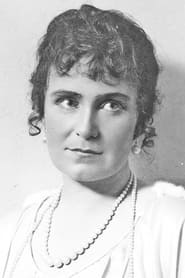
Edith Erastoff
Actor
Born: April 17, 1887 in Stockholm, Sweden Died: April 30, 1925 Active: 1917-1919 Birth Name: Edith Alma Frederika Erastoff
Films
4 films
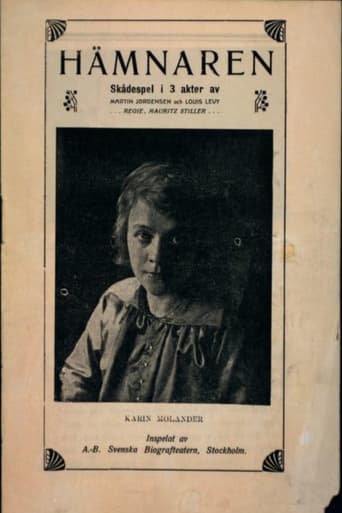
About Edith Erastoff
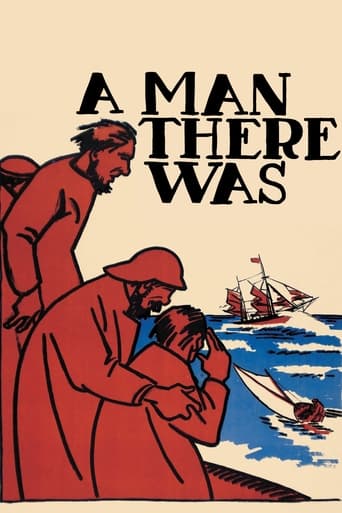
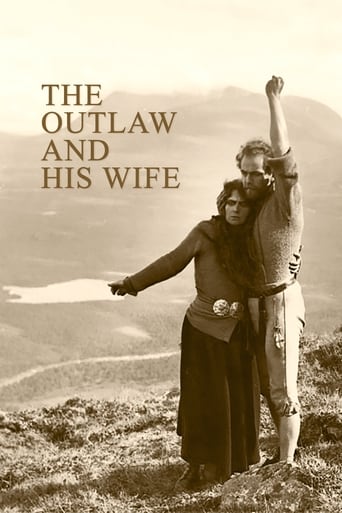
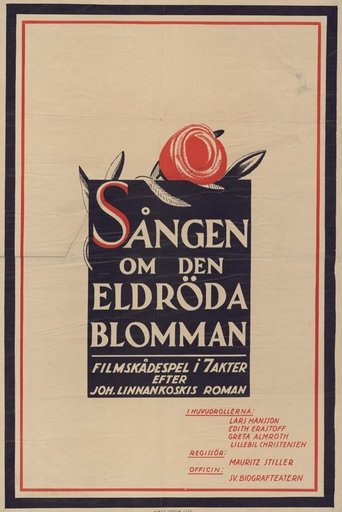
Made her mark during the golden age of Swedish silent cinema in the late 1910s. She began her film career in 1917 with a starring role in Victor Sjöström's acclaimed film 'A Man There Was' (Terje Vigen), which established her as a promising talent in the burgeoning Swedish film industry. Erastoff continued her collaboration with Sjöström, starring in 'The Outlaw and His Wife' (1918), which became Swedish silent films of the era. Her final film appearance was in 'Song of the Scarlet Flower' (1919), after which she seemingly retired from acting. In 1922, she married director Victor Sjöström, becoming his second wife and effectively ending her own acting career to focus on their personal life. Tragically, Erastoff's life was cut short when she died in 1925 at a young age, leaving behind a small but significant body of work that represents some of the finest achievements of Swedish silent cinema.
The Craft
On Screen
Erastoff was known for her naturalistic and emotionally expressive acting style, which was characteristic of the sophisticated Swedish silent cinema of the 1910s. She brought a subtle intensity to her performances, using nuanced facial expressions and body language to convey complex emotions. Her acting was marked by a restraint that contrasted with the more theatrical style common in other national cinemas of the period.
Milestones
- Starred in Victor Sjöström's masterpiece 'A Man There Was' (1917)
- Lead role in the acclaimed 'The Outlaw and His Wife' (1918)
- Final appearance in 'Song of the Scarlet Flower' (1919)
- Married renowned director Victor Sjöström in 1922
Best Known For
Iconic Roles
Must-See Films
Accolades
Special Recognition
- Recognized as part of Sweden's golden age of silent cinema
Working Relationships
Worked Often With
Studios
Why They Matter
Impact on Culture
Edith Erastoff contributed to the golden age of Swedish silent cinema during a period when Swedish films were internationally acclaimed for their artistic sophistication and naturalistic style. Her performances in Victor Sjöström's masterpieces helped establish Sweden as a major force in world cinema during the 1910s. Though her career was brief, her work exemplified the artistic quality that made Swedish silent films influential on international cinema, particularly in their use of natural landscapes and psychological depth.
Lasting Legacy
Edith Erastoff's legacy is preserved through her performances in some of the most important Swedish silent films ever made. 'The Outlaw and His Wife' and 'A Man There Was' remain classics of world cinema, regularly screened at film festivals and studied in film history courses. Though she died young and had a short career, her contributions to Swedish cinema's golden era ensure her place in film history as a representative of the artistic excellence of 1910s Swedish filmmaking.
Who They Inspired
While Erastoff's career was too brief to have directly influenced subsequent generations of actors, her naturalistic acting style exemplified the sophisticated approach to performance that characterized Swedish cinema of the 1910s. This approach, which emphasized subtlety and psychological realism over theatricality, would influence international film acting practices as cinema evolved from its early theatrical roots toward more naturalistic modes of performance.
Off Screen
Edith Erastoff married director Victor Sjöström in 1922, becoming his second wife. Their marriage was significant in Swedish film circles, uniting one of the era's most promising actresses with its most acclaimed director. She stepped away from her acting career after marriage, focusing on their life together. Tragically, their marriage was cut short by her untimely death in 1925 at the age of 38.
Education
Limited information available about her formal education, but she likely received theatrical training in Stockholm before entering films.
Family
- Victor Sjöström (1922-1925)
Did You Know?
- Her real name was Edith Alma Frederika Erastoff
- She was 30 years old when she made her film debut in 1917
- All three of her known films were directed by Victor Sjöström
- She retired from acting after marrying Sjöström in 1922
- She died just three years after her marriage to Sjöström
- Her film active years covered only three years but included three major Swedish classics
- She was part of the golden age of Swedish cinema that included directors like Mauritz Stiller
- Her films were among the first Swedish films to gain international recognition
- She never appeared in sound films, as her career ended before the talkie era
- Her death at age 38 cut short what might have been a more extensive film career
Frequently Asked Questions
Who was Edith Erastoff?
Swedish actress who starred in silent films during the late 1910s, appearing in three major Swedish classics directed by Victor Sjöström. She was active from 1917 to 1919 and later married Sjöström, retiring from acting to focus on their marriage.
What films is Edith Erastoff best known for?
Titles linked here include A Man There Was (1917), The Outlaw and His Wife (1918).
When was Edith Erastoff born and when did she die?
Born April 17, 1887; died April 30, 1925.
What awards did Edith Erastoff win?
There are no recorded awards or nominations for Edith Erastoff, as she worked during the early silent film era before major film awards were established. However, her films are recognized as classics of Swedish cinema.
What was Edith Erastoff's acting style?
Erastoff was known for her naturalistic and emotionally expressive acting style, characterized by subtle facial expressions and restrained performances that contrasted with the more theatrical acting common in other national cinemas of the period.