
Films
4 films
About Olof Ås
Swedish film actor active during the silent era, with known screen work concentrated in the years 1919 to 1921. He appears in three important early Swedish productions: Song of the Scarlet Flower (1919), A Lover in Pawn (1920), and The Phantom Carriage (1921), placing him within artistically significant periods in Scandinavian cinema. Although surviving reference material on his broader life is sparse, his filmography shows that he worked at the moment when Swedish silent film was gaining international attention for its literary adaptations, outdoor realism, and psychologically rich storytelling. His presence in Victor Sjöström’s The Phantom Carriage is especially noteworthy because that film is now regarded as a landmark of world cinema. Beyond these identified appearances, detailed information about his later career, personal life, and background has not been reliably documented in widely accessible sources. As a result, Olof Ås is remembered primarily through his contribution to a small but historically important cluster of early Swedish silent films. His career illustrates how many performers of the silent era left behind only fragmentary records despite participating in films of enduring artistic value.
The Craft
On Screen
No detailed contemporary acting analysis of Olof Ås has survived in widely available sources. Based on the conventions of Swedish silent cinema in which he worked, his performance style would have relied on expressive facial nuance, controlled gesture, and naturalistic physical presence rather than broad theatricality. The films associated with him are known for restrained, emotionally credible acting, suggesting that he likely fit the subtle, realism-oriented style favored by leading Swedish filmmakers of the period.
Milestones
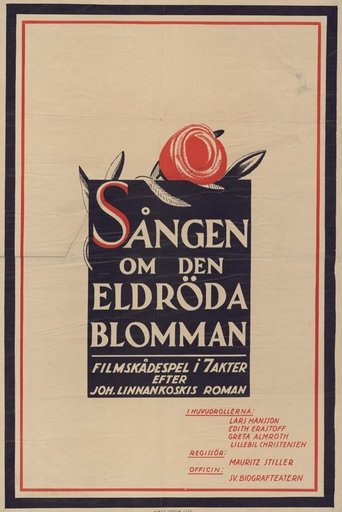
- Appeared in the Swedish literary adaptation Song of the Scarlet Flower (1919), one of his earliest known screen credits.
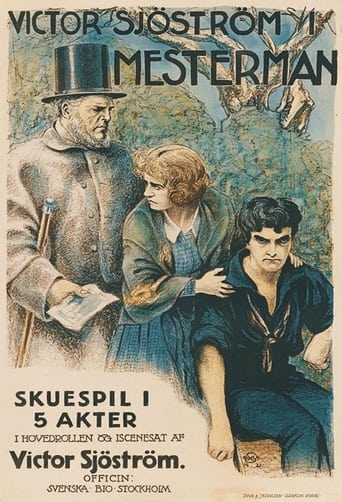
- Acted in A Lover in Pawn (1920), continuing his work in early Swedish silent features.
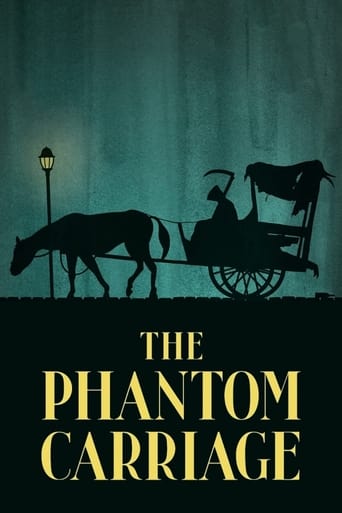
- Participated in The Phantom Carriage (1921), a major classic of world cinema directed by Victor Sjöström.
- Worked during the peak of Sweden's internationally admired silent-film era, alongside productions known for visual sophistication and literary prestige.
- Built a filmography that, while brief in surviving records, connects him to some of the most celebrated titles of Scandinavian silent cinema.
Best Known For
Iconic Roles
Must-See Films
Working Relationships
Worked Often With
Studios
Why They Matter
Impact on Culture
Olof Ås’s cultural significance comes less from celebrity status than from his association with a foundational moment in Swedish and world cinema. By appearing in The Phantom Carriage, he became part of a film often cited for its innovative special effects, haunting atmosphere, and mature moral themes, all of which helped define the prestige of Scandinavian silent film. His other known films also belong to the wave of literary and psychologically detailed productions that gave Swedish cinema an international reputation in the late 1910s and early 1920s. Even when an actor’s individual star profile is obscure, participation in such landmark productions contributes to the larger cultural memory of the silent era. Ås therefore represents the many under-documented performers whose work helped shape canonical films that continue to circulate in film history and restoration programs.
Lasting Legacy
Olof Ås's lasting legacy lies in his participation in a trio of historically important Swedish silent films, especially The Phantom Carriage, which remains one of the defining achievements of the silent era. While he is not widely documented as a star in his own right, his filmography places him within an elite circle of early Scandinavian cinema contributors whose work supported internationally admired productions. His name survives primarily in cast lists and film histories rather than in extensive personal archives, which is common for many silent-era actors. For film historians, he is a reminder that classic cinema was built not only by famous auteurs and marquee stars, but also by numerous working actors whose performances helped create enduring masterpieces. His legacy is therefore archival and historical: he is part of the living record of Sweden's great silent-film period.
Who They Inspired
There is no documented evidence that Olof Ås directly mentored later performers or exerted a named influence on specific actors or directors. His broader influence is indirect, through his participation in films that helped establish the style and prestige of Swedish silent cinema. Those productions influenced later generations of filmmakers with their atmospheric realism, literary adaptation, and emotionally restrained acting traditions. In that sense, Ås’s work contributed to a cinematic tradition that outlasted his own brief screen career.
Off Screen
No reliable, widely documented information is currently available about Olof Ås's personal life, including his family background, marriages, children, or private career outside film. Because surviving references are limited, it is not possible to confirm biographical details such as upbringing, education, or later occupation without risking inaccuracy. He remains a figure known mainly through film credits rather than extensive archival records or press coverage.
Did You Know?
- Olof Ås is known today almost entirely through film credits rather than extensive biographical records.
- He appeared in The Phantom Carriage,.
- His known film career spans only a very short period, from 1919 to 1921.
- His surviving filmography places him squarely in Sweden's internationally celebrated silent-film era.
- Song of the Scarlet Flower and A Lover in Pawn are both part of the period when Swedish cinema was gaining a strong reputation abroad.
- There is no widely confirmed information about his birth date, death date, or personal life in standard reference sources.
- Because his career coincided with major classics, he is of particular interest to historians of early Scandinavian cinema.
- His name often appears in cast listings, but not in the same volume of documentation as the era's major stars.
Frequently Asked Questions
Who was Olof Ås?
Swedish silent-era with credits in this catalog. He is remembered primarily for appearing in important early Swedish films, including The Phantom Carriage. Because surviving biographical records are limited, much of his life remains obscure.
What films is Olof Ås best known for?
Titles linked here include Song of the Scarlet Flower (1919), A Lover in Pawn (1920).
When was Olof Ås born and when did he die?
His birth date and death date are not currently confirmed in widely available reference sources. The surviving record identifies him mainly through his film appearances rather than through detailed biographical documentation.
What awards did Olof Ås win?
No awards or nominations are currently documented for Olof Ås in the available historical record. This is not unusual for silent-era performers whose careers were only partially preserved in later archives.
What was Olof Ås's acting style?
No specific written critique of his personal acting style is widely available today. Based on the Swedish silent films he appeared in, his work would likely have been restrained, expressive, and naturalistic, matching the understated performance style favored in Swedish cinema of the period.
What is Olof Ås's legacy in film history?
His legacy is tied to his participation in landmark Swedish silent films, especially The Phantom Carriage. Even though he is not a widely documented star, he remains part of the cast of works that helped make Swedish cinema internationally respected in the early 20th century.