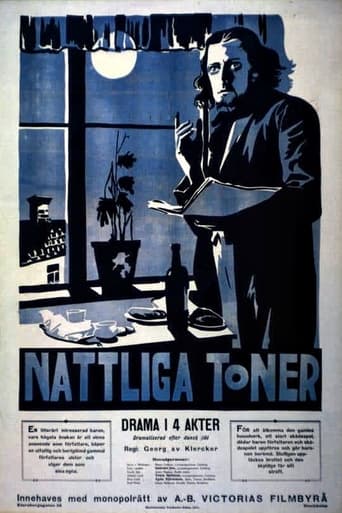
1912 · Approximately 20-30 minutes; exact surviving runtime is not consistently documented in accessible references

Also available on: Archive.org
The Last Performance

The Last Performance

1912 Approximately 20-30 minutes; exact surviving runtime is not consistently documented in accessible references Sweden
Desire and romantic obsessionJealousy and revengeThe allure of spectacle and performanceConflict between duty and passionPublic success versus private betrayal

Plot

A young lieutenant becomes captivated by a circus rider and, driven by romance and fascination with the spectacle of circus life, abandons his military career to join the troupe. Once inside the circus world, he proves unexpectedly successful and quickly becomes a favorite with audiences, enjoying both public acclaim and the excitement of performance. His growing attachment shifts toward another woman, however, leaving the circus rider he first loved feeling rejected and humiliated. The emotional betrayal sets in motion a path of jealousy and revenge, turning the romance into a tragic drama of ambition, desire, and retaliation.

About the Production

Release Date 1912
Production Svenska Biografteatern
Filmed In Sweden, Likely studio and exterior locations associated with Svenska Biografteatern production practice; specific surviving location records are not widely documented

The film was made during the early Swedish silent era under director Georg af Klercker, one of the key craftsmen working in Scandinavian cinema before the dominance of Victor Sjöström and Mauritz Stiller. Surviving documentation on the production is limited, which is typical for films from 1912, and precise records for budget, running time, and shooting locations are not well preserved in standard reference sources. As with many Svenska Biografteatern productions of the period, it was likely staged with a strong emphasis on tableau composition, theatrical performance, and efficient studio methods rather than elaborate location shooting. The story’s circus setting would have offered visually appealing performance scenes and a built-in contrast between military order, stage spectacle, and melodrama.

Historical Background

The film was produced in 1912, when silent cinema was rapidly evolving from short subjects into more sophisticated dramatic works with stronger narrative continuity. In Sweden, this was a formative period for the national cinema, with producers and directors developing a reputation for literary seriousness, strong natural settings, and emotionally precise direction. Internationally, the pre-World War I era was marked by intense experimentation in film form, and European companies were competing to define cinema as both popular entertainment and a serious art. The Last Performance belongs to that transitional moment, reflecting the popularity of melodrama while also showing the early Scandinavian attention to character psychology and atmosphere. Its circus and military elements also mirror early twentieth-century fascination with modern mobility, public spectacle, and the tension between discipline and passion.

Why This Film Matters

Although not one of the best-known Swedish silent films today, The Last Performance is significant as part of the early output that helped build Sweden’s reputation as a serious film-producing nation. It demonstrates how Swedish filmmakers were already using emotionally complex plots and refined visual staging before the internationally celebrated masterpieces of the late 1910s and 1920s. The circus drama also reflects a broader European silent-film tradition in which performers, outsiders, and theatrical spaces were used as metaphors for identity, desire, and social upheaval. For film historians, the work is valuable as a surviving example of early Georg af Klercker direction and as evidence of the range of themes being explored in Scandinavian cinema before the First World War.

Making Of

The Last Performance was created at a moment when Swedish cinema was still establishing the artistic and industrial practices that would soon make it internationally admired. Georg af Klercker worked within the Svenska Biografteatern system, which emphasized disciplined production values and clear dramatic staging. Surviving behind-the-scenes documentation is sparse, so many specifics about casting decisions, rehearsal methods, and set construction are not firmly recorded in widely accessible sources. Nonetheless, the film’s circus premise suggests that production likely involved careful staging of performance sequences designed to read clearly on camera and to provide an appealing mix of romantic melodrama and visual attraction.

Visual Style

The film’s cinematography would have been characteristic of early 1910s Swedish silent production, relying on static or minimally moving cameras, carefully arranged tableaux, and strong composition to keep the action legible. Circus imagery offered opportunities for layered framing, performance within performance, and visually dynamic crowd scenes, even within the technical limits of the period. The visual style likely emphasized clean staging, expressive gesture, and contrast between the controlled environment of military life and the colorful, emotional world of the circus. As with much early Scandinavian cinema, atmosphere and actor placement were likely more important than rapid cutting or elaborate camera movement.

Innovations

The film does not appear to be associated with a specific major technical innovation, but it is representative of the mature silent melodrama style developing in Sweden at the time. Its achievement lies more in narrative clarity, dramatic staging, and the effective use of a circus setting to provide visual variety and emotional symbolism. The film likely depended on disciplined blocking and composition to communicate character relationships without dialogue, which was a central skill in early cinema. In that sense, it reflects the craft standards that helped Swedish film gain international respect before more famous later masterworks.

Music

As a silent film, The Last Performance had no synchronized recorded soundtrack. In original screenings, it would typically have been accompanied by live music, which may have ranged from a pianist in smaller venues to a fuller ensemble in larger theaters, depending on the exhibition context. No single authoritative original cue sheet or surviving commissioned score is widely documented in accessible sources. Modern presentations, if available, may use archival accompaniment, restored silent-film music, or newly created scores.

Memorable Scenes

  • The young lieutenant leaving his military life behind to enter the circus world, a turning-point scene that establishes the film’s central conflict between order and spectacle.
  • The circus performance sequence in which the lieutenant becomes a crowd favorite, visually emphasizing his transformation into a public entertainer.
  • The emotional moment when the circus rider realizes she has been rejected in favor of another woman, setting the revenge plot in motion.

Did You Know?

  • The film is a Swedish silent drama from the very early 1910s, a period when Scandinavia was becoming internationally important in feature filmmaking and visual style.
  • Director Georg af Klercker was one of Sweden’s notable early film directors, though he is less internationally famous today than some of his contemporaries.
  • The circus milieu was a popular dramatic setting in early cinema because it allowed filmmakers to combine romance, spectacle, jealousy, and physical performance in a single narrative.
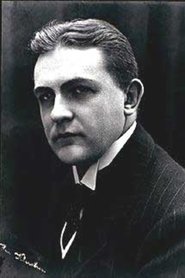
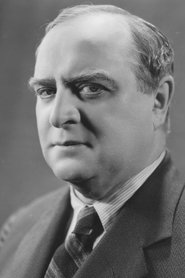
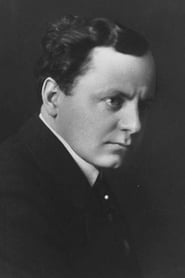
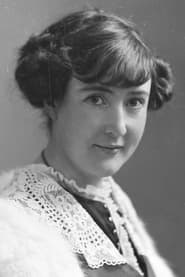
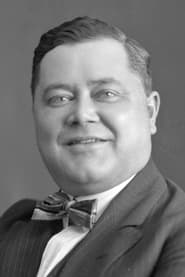
  • The cast includes Carl Barcklind, Gustaf Bengtsson, and John Ekman, all names associated with the Swedish acting and film world of the era.
  • Because many films from 1912 survive only partially or in sparse documentation, exact technical details such as runtime and original release strategy are often difficult to verify with certainty.
  • The film’s title is sometimes encountered in English-language databases as The Last Performance, even though it originated as a Swedish silent production.
  • Like many films of its time, it likely relied heavily on expressive acting and clear visual storytelling rather than intertitles carrying large amounts of exposition.
  • The combination of military, circus, and melodramatic revenge elements reflects the taste for emotionally heightened popular narratives in early European cinema.

What Critics Said

Contemporary critical response is not well documented in widely available modern reference sources, and detailed 1912 reviews have not been consistently preserved or circulated. In later scholarship, the film is generally treated as an early Swedish silent drama of historical interest rather than a major canonical title, largely because so many of its contemporaries have disappeared or survive only in fragmentary form. Modern appreciation tends to focus on its place in the development of Swedish silent cinema, the reputation of Georg af Klercker, and the film’s contribution to early melodramatic storytelling. Where discussed, it is usually noted for its period charm, simple but effective narrative construction, and circus-based spectacle.

What Audiences Thought

Audience reaction at the time is not comprehensively documented, but films of this type were generally aimed at popular urban and regional audiences who enjoyed emotionally direct stories and visually engaging settings. The circus backdrop would have been immediately attractive to viewers accustomed to stage performance and touring entertainment, and the romance-revenge structure would have been easy to follow in silent form. As with many early Swedish films, it likely benefited from the growing prestige of locally produced drama and the public’s appetite for films that felt both modern and emotionally intense. Today, audience reception is mostly limited to film historians, silent-cinema enthusiasts, and viewers encountering it through archives or databases.

Film Connections

Influenced By

  • Early European melodrama
  • Stage and circus entertainments popular in the early 20th century
  • Scandinavian theatrical storytelling traditions
  • Silent-era romantic tragedy conventions

This Film Influenced

  • Later Swedish silent melodramas featuring psychologically driven romance and revenge
  • Circus-themed dramas in silent and early sound cinema
  • European films that used performance spaces as settings for personal tragedy

Film Restoration

The film is a surviving historical title in reference databases, but detailed preservation information is not widely documented in accessible sources. Its exact survival condition, completeness, and whether restored elements exist are not consistently reported in standard public references. For database purposes, it should be treated as an early silent film with limited surviving documentation and uncertain archival availability unless a specific archive copy is identified.

Themes & Topics