Also available on: YouTube Archive.org
Night Music

Night Music

1918 Sweden
Artistic plagiarismClass privilege and social inequalityAuthorship and originalityReputation versus talentExploitation of creative labor

Plot

Baron Von Meislingen is a wealthy, socially prominent man who secretly longs to be regarded as a poet, even though he has no real literary gift. Living in one of his apartments is Peter Långhår, a genuinely talented but impoverished poet whose work remains unrecognized and unpaid. When Von Meislingen discovers Peter's latest poem, he steals it and publishes it under his own name, quickly winning acclaim as a brilliant writer. The baron’s fraudulent success brings him fame and admiration, while the true author remains in obscurity, trapped by poverty and the injustice of artistic exploitation. The story develops as a satirical drama of class privilege, artistic theft, and the corruption of reputation, with the Baron’s deceit standing in sharp contrast to Peter’s authenticity and hardship.

About the Production

Release Date 1918
Production Svenska Biografteatern
Filmed In Sweden

Night Music is a Swedish silent drama from the late era of Georg af Klercker's work at Svenska Biografteatern, produced during the period when Swedish cinema was becoming internationally admired for its visual sophistication and literary ambitions. Like many Scandinavian silent films of the period, it was adapted from a theatrical or literary source tradition and shaped around moral conflict, social satire, and performance-driven storytelling rather than spectacle. Precise budgetary records, release publicity, and surviving production paperwork are not readily available, which is typical for many Scandinavian films of the 1910s. The film is notable in film-history references primarily because it preserves the work of af Klercker, one of the important figures in early Swedish cinema, and because its premise centers on artistic plagiarism and class privilege, a theme well suited to the moral drama style of the time.

Historical Background

Night Music was produced in 1918, near the end of World War I, at a time when Sweden remained neutral but still experienced the broader cultural and economic disruptions of the era. Swedish cinema in the 1910s had developed a reputation for refined storytelling, strong performances, and visual elegance, and filmmakers often adapted socially resonant subjects that could be understood across national boundaries. The story of a privileged impostor stealing a poor poet’s work would have resonated with contemporary concerns about class hierarchy, the value of labor, and the authenticity of public fame. In a broader historical sense, the film belongs to the final flowering of the first great Swedish silent-cinema period, before postwar changes in taste and industry structure altered the country’s production landscape. It matters historically because it documents both the stylistic ambitions of Swedish silent drama and the career of Georg af Klercker, a key figure in that formative era.

Why This Film Matters

Although Night Music is not among the most internationally famous Swedish silent films, it is culturally significant as part of the body of work that demonstrates how early Scandinavian cinema engaged seriously with intellectual, literary, and social themes. The film’s story about plagiarism and the exploitation of artistic labor remains timeless, reflecting anxieties that still matter in modern discussions about authorship, credit, and cultural prestige. It also contributes to the historical record of Georg af Klercker’s filmography, which is important for understanding the diversity of Swedish silent filmmaking beyond the best-known masterworks of the era. For historians, it is valuable as evidence of the sophistication of Swedish studio drama in the late 1910s and of the kinds of moral narratives that silent cinema could carry without dialogue.

Making Of

Night Music was made in the context of the Swedish silent film industry’s strong emphasis on literary, visually composed dramas. Georg af Klercker worked for Svenska Biografteatern, a major production company that helped establish Sweden as one of the most artistically respected film-producing countries in the 1910s. Surviving behind-the-scenes documentation is limited, so detailed casting decisions, shooting schedules, and set records are not widely accessible in standard film references. What can be said with confidence is that the film’s concept is well suited to the period’s interest in moral allegory and class tension, allowing the director to stage the contrast between aristocratic pretension and the genuine labor of a struggling artist. Its existence also reflects the international prestige that Swedish silent cinema enjoyed before the industry’s later decline in the 1920s.

Visual Style

Specific shot-by-shot cinematographic analysis is difficult because the film is not widely documented in modern critical literature, but as a Swedish silent drama from 1918 it would have been shaped by the period’s emphasis on composed interiors, expressive blocking, and carefully arranged tableaux. Swedish filmmaking of the time often favored naturalistic lighting, strong use of setting, and emotionally readable staging, with the camera supporting performances rather than overwhelming them. Given the plot’s focus on class contrast and literary imitation, the visual design likely emphasized the difference between the Baron’s comfortable social world and Peter Långhår’s more modest circumstances. The film probably relied on the restrained but polished aesthetics associated with the Swedish studio tradition, where atmosphere and character psychology were conveyed through visual clarity.

Innovations

There are no widely cited technical innovations specifically associated with Night Music, but the film belongs to an era when Swedish silent cinema was known for high standards of visual storytelling. Its achievement lies more in its polished dramatic construction than in technical novelty: the ability to communicate complex themes of authorship, deception, and social rank through staging, performance, and intertitle structure. As with many Swedish films of the period, the production likely demonstrates careful composition and controlled pacing rather than experimental technique. Its historical value is therefore aesthetic and cultural, not technological.

Music

As a silent film, Night Music would originally have been accompanied by live music during exhibition, likely by a theater pianist or small ensemble depending on the venue. No definitive original score is widely documented in surviving reference material, and any music used would have varied by screening location unless a specific cue sheet or commissioned accompaniment survives in an archive. The title itself suggests a lyrical association with music, but the film should be understood as a silent production with no synchronized soundtrack. Modern presentations, if available, may use reconstructed or newly commissioned accompaniment appropriate to the film’s mood.

Famous Quotes

No verified dialogue quotes from surviving records are widely available for this silent film.
Because Night Music is a silent film, any textual quotations would come from intertitles, and those are not comprehensively preserved in common reference sources.

Memorable Scenes

  • The central act in which Baron Von Meislingen discovers Peter Långhår’s poem and secretly claims it as his own.
  • The moment when the Baron’s stolen poetry begins to earn public admiration, underscoring the irony of his fraudulent success.
  • The contrast between the Baron’s comfortable world of privilege and the poor poet’s confined living situation, which visually reinforces the film’s class critique.

Did You Know?

  • The film was directed by Georg af Klercker, one of the significant early Swedish filmmakers who worked during the same broadly celebrated era as Victor Sjöström and Mauritz Stiller.
  • Its plot revolves around literary theft, making it a drama about authorship, reputation, and cultural capital rather than conventional melodramatic romance.
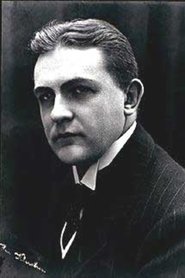
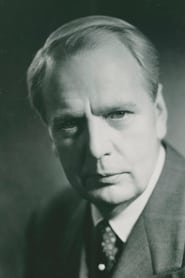
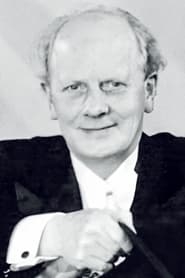
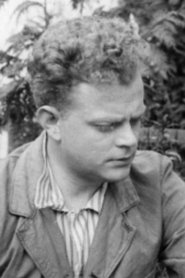
  • Gabriel Alw, one of the credited cast members, was a notable Swedish stage and screen actor of the silent era.
  • The film belongs to a period when Swedish silent cinema was often highly literary in subject matter and adapted to serious social or psychological themes.
  • Because many Swedish films from this era survive incompletely or in fragmentary documentation, exact production details for Night Music are not widely published.
  • The film’s theme of a wealthy amateur passing off a poorer man’s work reflects a recurring early-20th-century concern with authenticity in art and the unequal access to cultural success.
  • Night Music is one of the titles that helps document Georg af Klercker’s contribution to Swedish silent cinema, especially his work outside the later, more internationally famous productions of the Swedish film boom.
  • The title suggests a poetic or musical atmosphere, even though the story itself is primarily a satirical moral drama about plagiarism and social deceit.

What Critics Said

Contemporary reviews are not widely preserved in readily accessible sources, so precise 1918 critical response is difficult to reconstruct. In general, Swedish silent dramas of this period were often evaluated for their literary quality, visual composition, and acting rather than for spectacle, and Night Music likely circulated within that critical framework. Modern assessment tends to place the film within the important but less frequently discussed output of Georg af Klercker and Swedish silent cinema’s late-1910s prestige period. Its interest today is largely historical and archival: scholars value it for its themes, its place in national cinema history, and its connection to the broader tradition of socially conscious silent drama.

What Audiences Thought

Detailed box-office data and audience surveys are not known to survive for this film, so its popular reception cannot be measured precisely. As a silent-era Swedish drama with a satirical literary premise, it would likely have appealed most to audiences interested in prestige productions, moral stories, and performances by well-known Scandinavian actors. The film’s central conflict—an impostor gaining fame by stealing a poor artist’s work—would have been readily legible to contemporary viewers and emotionally satisfying as a critique of social injustice. Today, audience reception is limited primarily to scholars, archivists, and silent-film enthusiasts who encounter the title through databases and historical filmographies rather than through mainstream exhibition.

Film Connections

Influenced By

  • Literary and theatrical social satire traditions
  • Swedish stage drama and salon comedies of manners
  • Early 20th-century silent melodrama centered on moral conflict

This Film Influenced

  • No specific later films are widely documented as direct descendants of Night Music

Film Restoration

Preservation status is uncertain from widely accessible sources; the film is documented in film databases, but a detailed survival record or restoration history is not readily available in standard references.

Themes & Topics