John Botvid
Actor
- Active
- 1917-1918
Films 3
About John Botvid
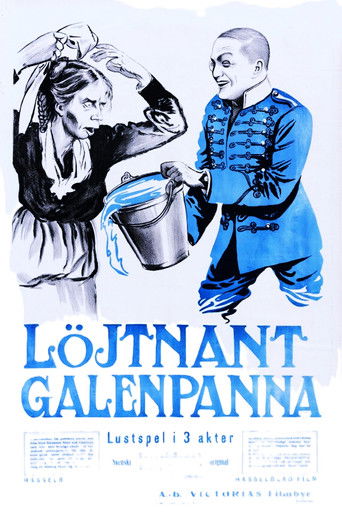
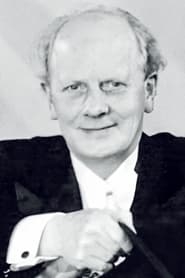
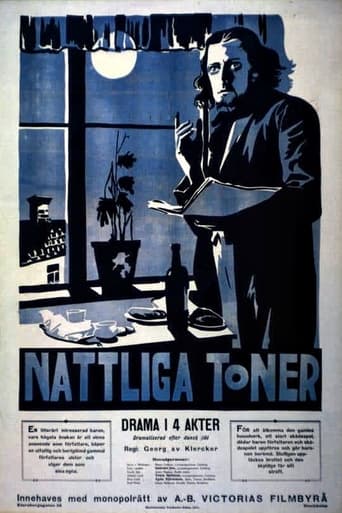
John Botvid was a Swedish actor active during the silent-film era, appearing in Swedish cinema in the late 1910s. His known screen work includes Lieutenant Galenpanna (1917) and Night Music (1918), which place him among the generation of performers who helped shape Sweden’s early film culture. Because the surviving record on Botvid is very limited, his broader career in stage or film is not well documented in readily available classic-cinema references. He appears to have worked at a time when Swedish filmmaking was developing its international reputation through expressive visual storytelling and strong ensemble acting. Unlike the major international stars of the period, Botvid did not leave behind a large body of widely preserved or heavily documented screen work. As a result, he is remembered primarily as a historical name in early Scandinavian cinema rather than as a widely known celebrity. His exact birth and death details are not reliably established in the sources available from the surviving film record.
More about John Botvid
In film history
John Botvid’s cultural impact is best understood in the context of early Swedish silent cinema, where many performers contributed to the growth of a national film identity even when their individual careers were not extensively chronicled. By appearing in films from 1917 and 1918, he participated in an era when Swedish cinema was becoming increasingly sophisticated in form and performance. Even if he was not a major star, actors like Botvid were essential to the texture and credibility of early productions, helping establish the acting standards of the period. His presence in the historical record is valuable because it reflects the broader network of working performers who made the silent era possible. For film historians, such names help reconstruct the ecosystem of Scandinavian filmmaking beyond the most famous auteurs and leading stars.
Later reputation
Botvid’s legacy is modest but meaningful as part of the preserved lineage of early Swedish screen acting. He is one of many silent-era performers whose careers survive in filmographies even when personal records are sparse, reminding researchers how much of early cinema history depends on incomplete documentation. His film credits connect him to a crucial transitional moment in film history, when Sweden was building the foundation for international recognition in cinema. While he does not appear to have left a large star legacy, his work remains part of the collective memory of silent Scandinavian film. In that sense, his lasting importance is archival as much as artistic: he is a trace of the people who populated and sustained the industry’s earliest years.
Influence
There is no documented evidence that John Botvid directly influenced later actors or filmmakers in a major, traceable way. However, as a working actor in early Swedish cinema, he contributed to the performance culture from which later generations emerged. The influence of performers like Botvid is often indirect, helping normalize screen acting styles and ensemble methods that other actors and directors could build upon. His role is therefore part of the broader, cumulative influence of the silent era rather than a singular, named legacy.
Off screen
No reliable biographical information about John Botvid’s personal life is readily available in the surviving classic-cinema record. Details such as marriages, family connections, residence, or later-life activities have not been firmly documented in the accessible sources tied to his filmography. Because of this, his personal history remains largely obscure to modern researchers. He is best understood through the fragmentary record of his appearances in Swedish silent cinema.
Credits
- Appeared in the Swedish silent films Lieutenant Galenpanna (1917) and Night Music (1918)
- Worked during the formative years of Swedish cinema in the silent era
- Represents part of the early ensemble of actors who supported Sweden’s developing national film industry
Films
- Lieutenant Galenpanna (1917)
- Night Music (1918)
Notes
- John Botvid is identified in surviving records primarily through his film credits rather than through extensive biographical documentation.
- His known screen appearances fall entirely within the silent era, specifically 1917 and 1918.
- He worked in Swedish cinema, a national film tradition that would later become internationally respected.
- The surviving film record shows him in only two known titles: Lieutenant Galenpanna and Night Music.
- Because his biography is sparsely documented, he is a representative example of many early-film actors whose careers are partially lost to history.
- No reliable public record of awards, nominations, or major studio contracts has been firmly established for him.
- His name is preserved in film history databases largely because filmographies survived even when personal records did not.
Questions
Who was John Botvid?
John Botvid was a Swedish actor active in the silent-film era. He is chiefly documented through his appearances in Lieutenant Galenpanna (1917) and Night Music (1918), making him part of Sweden’s early screen history.
What films is John Botvid best known for?
He is best known for Lieutenant Galenpanna (1917) and Night Music (1918). These are the principal surviving film credits associated with his name in classic-cinema records.
When was John Botvid born and when did he die?
Reliable birth and death dates for John Botvid are not readily established in the available record. The surviving information identifies him through his silent-era film work, but not through a securely documented personal biography.
What awards did John Botvid win?
No awards or major nominations are currently documented for John Botvid in the accessible historical record. His significance lies more in his contribution to early Swedish cinema than in recorded honors.
What was John Botvid's acting style?
There is no detailed contemporary description of his acting style that survives in the available record. Given his era, he would have worked within silent-film performance conventions, which generally emphasized expressive physicality, clear gesture, and visual storytelling.
What is John Botvid's legacy in film history?
His legacy is primarily archival and historical. He represents the many working actors who helped build early Swedish cinema, even if their individual careers are only fragmentarily documented today.