Calle as a Millionaire
Plot
Calle Lundgren is a cheerful young shop assistant who spends his days running errands for his employer, Nisse, and trying to charm the women around him, especially a girl named Amanda. His ordinary routine is abruptly overturned when he reads in the newspaper that he is the sole heir to a wealthy Swedish-American millionaire who has recently died. The news transforms Calle’s social position overnight and gives him a chance to dream about money, status, and a life beyond his modest job. As with many comedies of the era, the humor comes from Calle’s improvised attempts to navigate his sudden importance, along with the reactions of the people around him as they respond to his supposed fortune. The film plays as a class-and-identity comedy, using inheritance and mistaken expectations to satirize ambition, vanity, and social climbing.
About the Production
This is a Swedish silent comedy directed by Georg af Klercker during the mid-1910s, when Swedish cinema was developing a distinctive popular style alongside the more internationally celebrated prestige productions of the period. Surviving documentation on this specific title is limited, and detailed production records such as budget, precise shooting locations, and release publicity materials are not readily available in standard film-reference sources. The film appears to have been produced as a light comic feature for domestic audiences, with emphasis on character comedy and situational humor rather than technical spectacle. As with many Scandinavian silent films of the era, it would originally have been accompanied by live music in theaters and may have been distributed in different lengths depending on exhibition venue and export practice.
Historical Background
Calle as a Millionaire was made in 1916, during the First World War, a period when Sweden remained neutral but still experienced the broader economic and cultural disruptions of wartime Europe. Swedish cinema in these years was entering a particularly important phase, with filmmakers and studios refining narrative technique and building an international reputation through both serious drama and lighter popular entertainment. Comedy films like this one were an important part of that ecosystem because they offered escapism, social satire, and broadly appealing storytelling at a time of uncertainty. The film also reflects a recurring early-cinema fascination with class mobility, inheritance, and the instability of identity, themes that resonated strongly in modernizing European societies. In a historical sense, it is a useful example of how Swedish popular cinema balanced local cultural specificity with universal comic premises.
Why This Film Matters
Although Calle as a Millionaire is not among the most internationally famous titles of silent Swedish cinema, it remains culturally significant as part of the broader development of Swedish comedy on screen. Films like this helped establish a popular register in Swedish film culture alongside the prestige productions that later became more widely studied by film historians. Its inheritance-based plot also illustrates how early cinema used simple premises to explore social aspiration, money, romance, and the anxieties of modern urban life. For contemporary scholars, the film is valuable as evidence of the diversity of Swedish silent production and the range of genres being made before the dominance of later national classics. It also contributes to the understanding of Georg af Klercker’s career and the work of Svenska Biografteatern as a major early production organization.
Making Of
Specific behind-the-scenes production anecdotes for Calle as a Millionaire are not well documented in widely accessible archival sources. What can be said with confidence is that the film was made in the context of Sweden’s active silent-film industry, where production companies such as Svenska Biografteatern were turning out comedies, dramas, and literary adaptations for both local and international audiences. Georg af Klercker was a working director in this environment, and his films often relied on brisk storytelling, clear comic situations, and strong visual staging. The cast includes established Scandinavian screen and stage talent, suggesting that the production likely drew on theatrical performance traditions to shape its humor and character interaction. Because the film dates from 1916, the original production would have involved silent-era methods such as carefully choreographed movement, expressive facial acting, and intertitles tailored to a domestic Swedish audience.
Visual Style
The film’s cinematography would have followed the conventions of mid-1910s silent Swedish filmmaking, emphasizing readable composition, stage-like framing, and expressive movement within the frame. Georg af Klercker’s period work generally belongs to an era when filmmakers were refining continuity storytelling and using the camera to support performance rather than dominate it with highly mobile or experimental techniques. For a comedy centered on a sudden change in fortune, visual contrasts between Calle’s everyday work life and the imagined world of wealth would likely have been important. Because detailed shot analyses of the film are not widely published, any claim of specific stylistic flourishes would be speculative, but the film almost certainly relied on clear visual setup and punchline-based staging typical of the era.
Innovations
The film does not appear to be associated with any major technical innovation, and no specialized effects or groundbreaking production methods are documented in accessible sources. Its significance lies more in its place within the maturation of Swedish silent narrative filmmaking than in any singular technical achievement. The craftsmanship would have been in the efficient handling of comic storytelling, performance timing, and visual clarity necessary for silent exhibition. As with many films of the period, its technical merit should be understood through the competence of its staging and editing rather than through innovation in cameras, effects, or sound.
Music
As a silent film, Calle as a Millionaire did not have a synchronized recorded soundtrack. Like most films of 1916, it would have been accompanied in theaters by live music, which may have ranged from a solo pianist to a small ensemble depending on the venue and region. Any original cue sheet or commissioned score has not been widely documented in surviving reference material. Modern screenings, if available, would typically use a reconstructed or newly arranged accompaniment created for archival presentation. The musical tone for such a comedy would likely have emphasized light, playful, and romantic moods.
Memorable Scenes
- Calle reading in the newspaper that he is the sole heir to a wealthy Swedish-American millionaire, the moment that launches the comic premise.
- Calle’s flirtatious interactions with Amanda, which help establish the romantic-comic tone before the inheritance news changes his fortunes.
- The contrast between Calle’s ordinary errand-boy routine and the fantasy of sudden wealth that follows his discovery.
Did You Know?
- The film is a Swedish silent comedy from 1916, directed by Georg af Klercker, one of the notable filmmakers working in Sweden during the silent era.
- Its premise centers on a classic comic inheritance plot, a popular narrative device in early cinema because it allowed rapid social reversal and mistaken expectations.
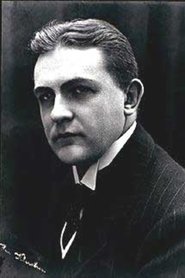
- The title character, Calle Lundgren, is portrayed by Carl Barcklind, who was also active as a stage actor and became a familiar presence in Swedish film.
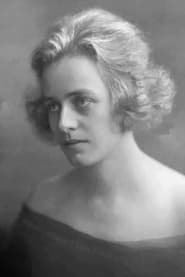
- Maja Cassel is listed among the cast, placing the film within the circle of performers active in Swedish silent-era studio production.
- The film is associated with Svenska Biografteatern, one of the most important early Swedish production companies.
- Like many films of the period, it was made as a silent picture and would have depended on expressive physical performance and intertitles to tell the story.
- The plot description suggests a social-comedy structure that contrasts working-class routine with fantasies of sudden wealth.
- Surviving plot information indicates that Calle’s flirtation with Amanda is an important comic element, adding romantic complication to the inheritance premise.
- The film is part of Georg af Klercker’s broader body of work from the 1910s, a period in which Swedish cinema moved toward more polished narrative features.
- Detailed contemporary reviews and box-office records are not widely documented in modern reference sources, which is common for many silent films of this period.
What Critics Said
Contemporary critical responses to Calle as a Millionaire are not readily documented in the standard surviving English-language reference material, so it is difficult to reconstruct a detailed reception history. As a 1916 silent comedy, it was likely evaluated within the trade and press primarily on the effectiveness of its performances, visual clarity, and comic timing rather than on auteurist or artistic criteria used by later historians. Modern critical discussion is likewise limited, largely because the film is obscure and information on surviving prints, reviews, and exhibition history is sparse. In current film-historical terms, it is best understood as a representative example of early Swedish popular filmmaking rather than a widely canonized masterpiece. Where it is mentioned today, it is generally in connection with Georg af Klercker, early Swedish studio production, or cataloging of silent-era filmographies.
What Audiences Thought
There is no widely preserved quantitative audience data for the film, but it can reasonably be assumed to have been intended for general popular appeal. The comic premise of an ordinary clerk suddenly becoming an heir would have been easily understood by audiences of the time, making it the kind of broad, accessible story suited to silent-era exhibition. The film likely played well with viewers who enjoyed romance, social reversal, and comedy built around aspiration and class surprise. However, specific box-office performance, audience anecdotes, and regional reception records have not been consistently preserved in accessible sources. Its survival in film databases suggests historical interest among researchers rather than a large continuing popular following.
Film Connections
Influenced By
- Stage farce and comic inheritance stories popular in late 19th- and early 20th-century theater
- Early European silent comedies built around mistaken fortune and class reversal
- Popular newspaper and serialized storytelling tropes about unexpected heirs
This Film Influenced
- No specific directly documented later films are widely cited as being influenced by this title
- Broader Scandinavian silent comedies using inheritance and social reversal premises
You Might Also Like
More Comedy Films
View allMore from Georg af Klercker
View allFilm Restoration
The preservation status is uncertain in widely accessible English-language reference sources. The film is documented in film databases, but detailed public information about surviving elements, restoration work, or the existence of complete archival prints is limited. It should therefore be treated as a rare silent film with unclear availability, possibly extant in archives but not widely circulated. No definitive modern restoration record is commonly cited in standard sources.