Ludde Gentzel
Actor
- Active
- 1916-1917
Films 2
About Ludde Gentzel
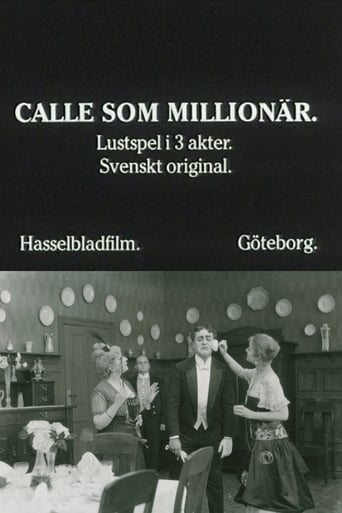
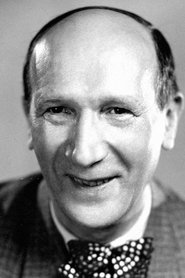
Ludde Gentzel was a Swedish actor associated with the silent-film era, with documented screen work in the mid-1910s. The surviving film record places him in at least two productions, Calle as a Millionaire (1916) and In the Fetters of Darkness (1917), indicating an active film career during the formative years of Swedish cinema. Because so little biographical information has survived in readily accessible reference sources, many details of his early life, training, and later career remain obscure. His screen appearances belong to a period when Swedish filmmaking was beginning to develop the international reputation that would later be associated with directors such as Victor Sjöström and Mauritz Stiller. Gentzel appears to have been one of the many working actors who contributed to that early cinematic culture without achieving the enduring fame of the era's biggest stars. He is therefore remembered chiefly through his credited film roles rather than through an extensive public biography. His surviving record is still valuable as part of the broader history of Scandinavian silent cinema.
More about Ludde Gentzel
In film history
Ludde Gentzel's cultural importance lies primarily in his participation in the early Swedish silent-film industry, a national cinema that would later become one of the most respected in Europe. Even when a performer leaves behind only a small surviving filmography, those credits can help reconstruct the network of actors who made early Scandinavian production possible. His appearances in 1916 and 1917 place him within a crucial transitional moment when Swedish cinema was finding its artistic identity and building a professional acting base. While he did not become a major international star, his work forms part of the broader foundation on which the later prestige of Swedish screen acting was built.
Later reputation
Gentzel's legacy is archival as much as artistic: he is one of the many early screen actors whose names preserve the texture of silent-era production history. For historians, such performers matter because they illuminate the breadth of talent working beyond the most famous directors and leads. His recorded presence in two surviving titles helps document the depth of Sweden's early film personnel and the range of actors employed in that period. In film history terms, his legacy is the reminder that silent cinema depended not only on celebrated auteurs but also on a wider ensemble of working performers whose careers were often only partially preserved.
Influence
There is no evidence that Ludde Gentzel exerted a direct, well-documented influence on later actors or filmmakers. His influence is therefore indirect: he is part of the early Swedish acting tradition that helped establish performance norms in the silent era. By appearing in films from the mid-1910s, he contributed to the professional environment from which later generations of Scandinavian screen artists emerged.
Off screen
No reliable public information could be verified regarding Ludde Gentzel's personal life, including marriages, family background, or later years. As with many minor performers from the silent era, biographical records are sparse and often incomplete. No confirmed personal details have been established from the available filmographic evidence.
Credits
- Appeared in the Swedish silent film Calle as a Millionaire (1916)
- Appeared in In the Fetters of Darkness (1917)
- Worked during the formative years of Swedish silent cinema
- Contributed to the early screen repertory of Scandinavian film production
Films
- Calle as a Millionaire (1916)
- In the Fetters of Darkness (1917)
Notes
- He is documented as a Swedish silent-film actor rather than a star of the later talkie era.
- His surviving screen credits are concentrated in only two known films from 1916 and 1917.
- Because of the scarcity of records, basic biographical details such as his birth and death dates are not readily confirmed.
- His career falls within the early development period of Swedish cinema, before the country's film industry gained its major international renown.
- He is an example of the many working actors whose names survive mainly through filmographies rather than extensive press coverage.
- The titles he appeared in suggest he worked in narrative feature production during the silent era.
- No verified awards, honors, or major studio associations are currently documented for him.
Questions
Who was Ludde Gentzel?
Ludde Gentzel was a Swedish actor who worked in the silent-film era. He is primarily known from surviving credits in early Swedish films, including Calle as a Millionaire (1916) and In the Fetters of Darkness (1917).
What films is Ludde Gentzel best known for?
He is best known for Calle as a Millionaire (1916) and In the Fetters of Darkness (1917). These are the principal surviving screen credits associated with his name in available film records.
When was Ludde Gentzel born and when did he die?
At present, no reliably verified birth or death dates are readily available in accessible reference sources. His exact birth place and death information remain unconfirmed.
What awards did Ludde Gentzel win?
No awards or nominations are currently documented for Ludde Gentzel in the available public record. This is not unusual for lesser-documented performers from the silent era.
What was Ludde Gentzel's acting style?
There is no detailed critical description of his acting style that can be confirmed from surviving sources. Given the era, his work would have depended on silent-era performance conventions such as expressive gesture, facial nuance, and visual storytelling.
What is Ludde Gentzel's legacy in film history?
His legacy is as part of the early Swedish silent-film workforce that helped build the country's cinema tradition. Although he is not a widely documented star, his credited roles help historians trace the development of Swedish screen acting in the 1910s.