Also available on: Archive.org

In the Fetters of Darkness

1917 Sweden
Memory and identitySuspicion and wrongful accusationPsychological crisisJustice and detentionFemale vulnerability and social judgment

Plot

Elinor Petipon is arrested on suspicion of murdering her husband, and the case immediately becomes as much a psychological mystery as a criminal one. When she is confronted with the dead body, she appears unable to recognize either the victim or the significance of the accusation, suggesting that she may have suffered a breakdown or some kind of traumatic memory loss. The hearing judge, uncertain whether she is feigning madness or genuinely impaired, orders that she be held in custody for observation rather than released. As the investigation continues, the film builds tension around the question of Elinor's innocence, her state of mind, and the events that led to the death, using melodramatic suspense and the uncertainty of memory as the dramatic engine of the plot.

About the Production

Release Date 1917
Production Svenska Biografteatern
Filmed In Sweden

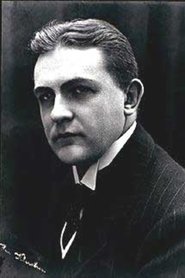
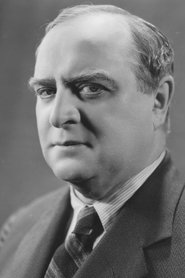
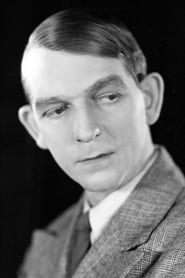
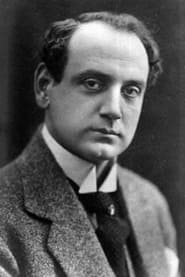
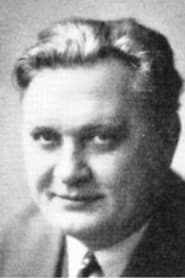
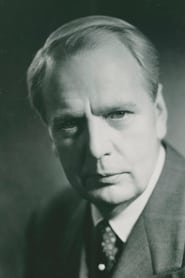
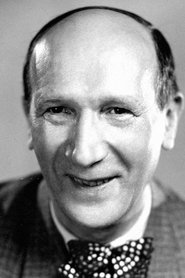
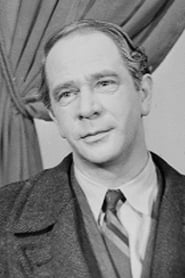
The film is a Swedish silent drama made during the late silent era, when Svenska Biografteatern was one of the country’s leading production companies and Georg af Klercker was among its notable directors. Like many Scandinavian films of the period, it was produced with an emphasis on atmosphere, psychological tension, and strongly posed visual storytelling rather than elaborate spectacle. Precise budget, earnings, and exact shooting locations are not readily documented in surviving widely accessible references, which is common for a 1917 production. The cast includes Sybil Smolova, Carl Barcklind, and Artur Rolén, all associated with early Swedish screen acting.

Historical Background

The film was produced in 1917, during the final years of World War I, a period when Sweden remained neutral but was still affected by wartime shortages, international disruption, and social change. Swedish cinema in the 1910s was entering a celebrated artistic phase, with filmmakers developing a reputation for refined composition, natural settings, psychological seriousness, and literary or melodramatic themes. This film reflects that environment by combining a murder mystery with a psychological premise centered on memory, guilt, and judicial uncertainty. Its production also belongs to a time when silent films used visual expression to explore inner states, making the heroine’s apparent amnesia especially effective as a cinematic device. Historically, the film matters as part of the body of work that helped establish Sweden as one of the leading film cultures of the silent era.

Why This Film Matters

Although not among the most internationally famous Swedish silent films, it is culturally significant as an example of the country’s early feature-length dramatic filmmaking and the sustained interest in morally complex, psychologically driven stories. The film demonstrates how Scandinavian cinema of the 1910s often treated crime and family tragedy with a serious, introspective tone rather than purely sensationalism. It also contributes to the screen tradition of the wrongly accused or psychologically uncertain woman, a motif that would recur in later cinema and melodrama. For historians, the film is valuable as evidence of the artistic range of Georg af Klercker and the broader production strength of Svenska Biografteatern during a formative decade for Swedish film culture.

Making Of

In the absence of extensive surviving production documentation, the film is best understood in the context of Swedish studio filmmaking in 1917, when directors such as Georg af Klercker worked within a relatively compact but artistically ambitious national cinema. Svenska Biografteatern produced many films that relied on careful staging, expressive performance, and strong visual contrasts to communicate emotion in the silent format. The casting of Sybil Smolova, Carl Barcklind, and Artur Rolén suggests a production built around recognizable performers capable of conveying nuanced psychology without dialogue. As with many films from the era, the surviving record emphasizes credits and plot premise more than day-to-day production anecdotes, so specific behind-the-scenes incidents are not well preserved in mainstream film reference sources.

Visual Style

The film’s visual style is best understood within the Swedish silent tradition, which often favored carefully composed shots, expressive lighting, and restrained but emotionally clear staging. Even without detailed shot-by-shot documentation, the premise suggests a reliance on face close-ups, courtroom and custody imagery, and contrastive lighting to externalize Elinor’s uncertainty and the film’s atmosphere of moral darkness. Silent Swedish dramas of this period frequently used naturalistic acting within stylized compositions, allowing the camera to emphasize emotional tension and psychological ambiguity. The cinematography would likely have supported the story’s themes through stark framing and visual emphasis on confinement, suspicion, and mental distress.

Innovations

The film does not appear to be associated with a specific technical innovation in the way that some milestone silent films are, but it is representative of the mature silent-era craft of Swedish cinema. Its notable achievement lies in the economical dramatization of psychological crisis and legal suspense through images alone. The use of a memory-loss premise in a murder narrative allowed the filmmakers to exploit silent cinema’s strength in facial expression, gesture, and visual uncertainty. As a historical artifact, it demonstrates the sophistication of feature filmmaking in Sweden by 1917.

Music

As a silent film, it would originally have been accompanied by live music in theaters rather than a synchronized recorded score. No specific original score has been reliably documented in widely available references. Present-day screenings, if any, may use compiled silent-film accompaniments or newly commissioned music depending on the archive or venue. The film’s music history is therefore tied to exhibition practice rather than a fixed surviving soundtrack.

Famous Quotes

null

Memorable Scenes

  • Elinor Petipon being confronted with her husband’s body and failing to recognize him, establishing the film’s central mystery and psychological tension.
  • The hearing judge ordering Elinor to be held in custody for observation, a scene that crystallizes the film’s legal and emotional uncertainty.
  • The repeated emphasis on Elinor’s apparent memory loss, which turns her inner state into the film’s main source of suspense.

Did You Know?

  • The film is also known by its Swedish title, which is commonly rendered as "I mörkrets bojor.
  • It was directed by Georg af Klercker, an important but sometimes overlooked figure in early Swedish cinema.
  • Sybil Smolova, one of the credited stars, was active in European silent cinema and brought a strong theatrical presence typical of the era.
  • The story centers on amnesia-like symptoms and courtroom suspicion, a plot device that was popular in silent melodrama because it created visual and emotional suspense without extensive intertitles.
  • The film was made during a particularly productive period for Swedish silent cinema, when the industry was gaining international recognition.
  • Because many silent films from this period survive incompletely or with limited documentation, detailed modern records about production and exhibition are scarce.
  • The title evokes darkness both literally and metaphorically, aligning with the film’s themes of imprisonment, uncertainty, and psychological entrapment.
  • Georg af Klercker was known for directing socially and emotionally charged dramas, and this film fits that pattern.
  • The plot’s focus on a woman accused of murder reflects early twentieth-century interest in female-centered melodramas and moral suspicion.
  • The film is a useful example of how Swedish silent cinema blended crime, psychology, and moral drama.

What Critics Said

Contemporary critical reception is not well documented in widely available modern sources, and detailed surviving reviews are scarce. The film is generally discussed today in film-historical terms rather than as a widely reissued or heavily reviewed classic, which is common for many surviving but obscure silent dramas. Modern assessment tends to focus on its place within Swedish silent cinema, its psychological premise, and its value as part of Georg af Klercker’s body of work. Where it is mentioned, it is usually treated as a representative example of the period’s melodramatic and atmospheric storytelling rather than a landmark title with an extensive critical legacy.

What Audiences Thought

No reliable box-office figures or audience-response surveys are known from the available record. As a 1917 Swedish silent drama, it likely reached its audience through regional cinema exhibition and the broader Scandinavian film market of the time, but specific attendance data has not been preserved in commonly accessible sources. Modern audience reception is limited because the film is obscure and not widely circulated, though it may attract interest from silent-film enthusiasts, scholars of Swedish cinema, and archivists. Its appeal today is primarily historical and cinephilic rather than mainstream.

Film Connections

Influenced By

  • Swedish silent melodramas of the 1910s
  • Courtroom and crime dramas from the silent era
  • Literary mystery and sensation narratives
  • European psychological melodrama

This Film Influenced

  • null

Film Restoration

The preservation status is not clearly documented in the available sources consulted here. As with many Swedish silent films of the 1910s, it may survive only in archival form or in incomplete/limited-access elements, but a confidently verified restoration status is not readily available from widely accessible references. The safest characterization is that it is an obscure early silent film with limited modern circulation and incomplete public documentation.

Themes & Topics