
Karl Gerhard
Actor
- Active
- 1917-1918
Films 2
About Karl Gerhard
Karl Gerhard appears in surviving film references as a very obscure silent-era screen actor whose documented film activity is limited to 1917 and 1918. He is credited in at least two films from that period, including In the Fetters of Darkness (1917) and Puss in Boots (1918), but extensive biographical information about his early life, training, and later career does not appear to be readily documented in standard film-history references. Because of the scarcity of surviving records, it is not possible to reconstruct a full career arc with confidence, and he should be regarded as one of many little-documented performers who worked in the early years of cinema. His known screen work places him firmly in the silent-film era, when actors often moved between stage and screen and when many supporting players were credited inconsistently or not at all. No verified evidence is available here regarding his later life, additional filmography, or whether he continued in performance after 1918. His name should not be confused with the better-known Swedish entertainer and dramatist Karl Gerhard, who was a very different figure active in theatre, cabaret, and film. The available record suggests a brief or at least lightly documented film career, significant mainly as part of the historical fabric of early cinema rather than as a widely celebrated star.
More about Karl Gerhard
In film history
Karl Gerhard's cultural impact is primarily archival and historical rather than star-based. He belongs to the large population of silent-era performers whose names survive in credits and film records even when their biographies have largely been lost, reminding researchers how incomplete early cinema documentation can be. His presence in a 1917 film and a 1918 film places him within a formative period when international silent production was expanding rapidly and when many performers contributed to productions without achieving long-term fame. For modern film scholarship, such figures are important because they help establish cast histories, production networks, and the reach of early film distribution. Even without celebrity status, actors like Gerhard are part of the groundwork on which silent-film culture and its surviving historiography are built.
Later reputation
His lasting legacy lies in the surviving film credits themselves and in what they reveal about the breadth of silent-era performance. While there is no evidence of major stardom, awards, or a widely preserved body of work, the fact that his name remains associated with early films makes him part of the historical record of the medium. For film historians and database curators, he is a representative example of the many actors whose careers were brief, local, or insufficiently documented but who nonetheless contributed to the silent cinema landscape. His legacy is therefore one of documentation, context, and the recognition of overlooked participants in early film history.
Influence
There is no verifiable evidence that Karl Gerhard directly influenced later actors or directors in a documented, traceable way. Any influence he may have had would have been indirect, through participation in early production culture and the performance conventions of the silent screen. His surviving record is too limited to support specific claims about mentorship or artistic influence.
Off screen
No reliable biographical information about Karl Gerhard's personal life, including marriage, family background, residence, or post-film career, is readily available from the surviving record used here. Because the name is sparsely documented in relation to early cinema credits, it is not possible to confirm personal details without risking confusion with other individuals of the same or similar name. Any claims about his private life would be speculative and are therefore omitted.
Credits
- Screen credit in the silent film In the Fetters of Darkness (1917)
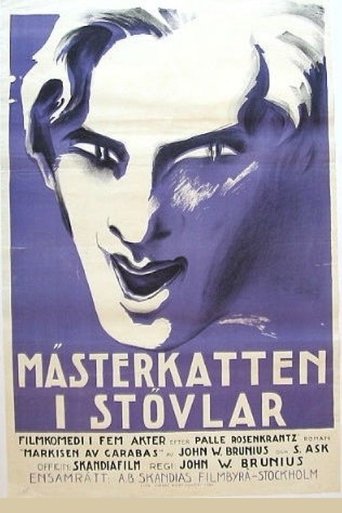
- Screen credit in the silent fantasy/adaptation Puss in Boots (1918)
- Represents the class of lesser-documented performers active during the late silent era
- Part of the surviving cast record for early European or internationally distributed silent cinema
- A historically notable but sparsely documented name in early film databases
Films
- In the Fetters of Darkness (1917)
- Puss in Boots (1918)
Notes
- He is credited in at least two surviving silent films from 1917 and 1918.
- His name is easy to confuse with the much better-known Swedish entertainer and playwright Karl Gerhard, but they are not the same person.
- He is an example of an early film performer whose biography has not survived as clearly as his screen credits.
- The films associated with him come from the silent era, before synchronized sound became standard.
- Because documentation is sparse, even basic details such as birth date and nationality remain unverified.
- His presence in film databases is valuable to historians because it helps reconstruct cast lists for early cinema productions.
Questions
Who was Karl Gerhard?
Karl Gerhard was a silent-era film actor known from surviving credits in In the Fetters of Darkness (1917) and Puss in Boots (1918). Very little verified biographical information survives about him, so he is chiefly known through his early screen work.
What films is Karl Gerhard best known for?
He is best known for In the Fetters of Darkness (1917) and Puss in Boots (1918). These are the principal surviving film credits associated with his name in the available record.
When was Karl Gerhard born and when did he die?
His birth and death dates are not readily documented in the surviving information used here. Because the record is sparse, it is not possible to confirm either date without risking confusion with another person.
What awards did Karl Gerhard win?
No awards or nominations are currently documented for Karl Gerhard in the available record. He appears to have been a lesser-documented silent-film actor rather than a widely honored star.
What was Karl Gerhard's acting style?
There is no reliable descriptive criticism of his acting style that survives in the available record. Given the era, his performances would have been shaped by silent-film techniques, but specific stylistic claims cannot be verified.
Why is Karl Gerhard important to film history?
He is important as part of the surviving cast record of early silent cinema. Even when actors left behind only a small number of credits, their names help historians reconstruct productions and understand the broader landscape of early film.