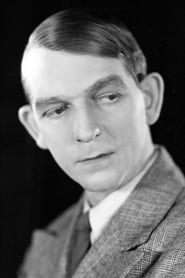
Artur Rolén
Actor
Born: February 17, 1894 in Gothenburg, Sweden Died: May 30, 1972 Active: 1918-1969
Films
2 films
About Artur Rolén
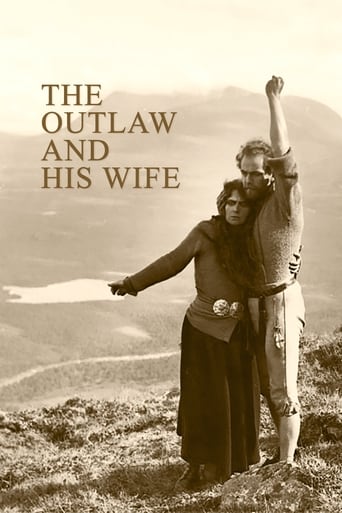
Swedish character actor: over five decades, beginning in the silent era and continuing well into the sound era. Born in Gothenburg in 1894, he made his film debut in Victor Sjöström's acclaimed silent masterpiece 'The Outlaw and His Wife' (1918), which established him as a reliable supporting actor in Swedish cinema. Throughout the 1920s and 1930s, Rolén became a familiar face in Swedish films, often playing authority figures, shopkeepers, and other character roles that required his distinctive appearance and reliable presence. His career flourished during Sweden's golden age of cinema, working with prominent directors like Gustaf Molander and Alf Sjöberg. Rolén successfully transitioned to sound films, adapting his acting style to the new medium while maintaining his status as a respected character actor. In his later years, he appeared in several Ingmar Bergman films, including 'Summer with Monika' (1953) and 'Smiles of a Summer Night' (1955), which introduced him to international audiences. He continued acting well into his 70s, with his final film appearance in 1969, cementing his legacy as one of Sweden's most enduring character actors.
The Craft
On Screen
Artur Rolén was known for his naturalistic and understated acting style, particularly effective in character roles. His approach was rooted in the Swedish theatrical tradition, emphasizing subtle facial expressions and gestures that conveyed deep emotion without melodrama. In silent films, he mastered the art of conveying complex emotions through minimal movement, a skill that translated well to sound cinema where he excelled in dialogue delivery with his distinctive voice. Rolén specialized in playing ordinary people with extraordinary depth, bringing authenticity to roles ranging from shopkeepers to officials, making each character memorable despite limited screen time.
Milestones
- Film debut in 'The Outlaw and His Wife' (1918)
- Prolific character actor in Swedish cinema during the 1930s-1950s
- Collaborations with Ingmar Bergman in the 1950s
- Over 150 film appearances throughout his career
- Successful transition from silent to sound films
Best Known For
Iconic Roles
Must-See Films
Accolades
Special Recognition
- Recognized as one of Sweden's most prolific character actors
- Honored in Swedish film retrospectives for his contributions to national cinema
Working Relationships
Worked Often With
Studios
Why They Matter
Impact on Culture
Artur Rolén played a significant role in shaping Swedish cinema's golden age, contributing to the authenticity and depth of numerous classic films. His consistent presence in Swedish cinema helped establish a tradition of strong character acting that became a hallmark of Swedish film culture. Through his work with directors like Victor Sjöström and later Ingmar Bergman, Rolén participated in creating films that would define Swedish cinema internationally. His ability to embody ordinary Swedish people with dignity and authenticity helped create a relatable national cinema that resonated with domestic audiences while showcasing Swedish culture to the world.
Lasting Legacy
Artur Rolén's legacy endures through his extensive filmography, which serves as a valuable record of Swedish cinema's evolution from silent films to modern classics. His work with Ingmar Bergman in particular has ensured his continued recognition among film scholars and enthusiasts, as these films remain part of the international cinematic canon. Rolén is remembered as one of Sweden's most reliable and versatile character actors, capable of elevating even the smallest roles with his presence and skill. His career shows the importance of character actors in creating rich, believable cinematic worlds, and his influence can be seen in the work of subsequent generations of Swedish actors who specialized in similar roles.
Who They Inspired
Rolén influenced Swedish character acting through his naturalistic approach and dedication to craft, setting a standard for supporting actors in Swedish cinema. His successful transition from silent to sound films provided a model for other actors of his generation. Younger Swedish actors often cited his professionalism and ability to create memorable characters with limited screen time as inspiration. His work with Bergman helped establish the template for ensemble acting that would become a hallmark of the director's films, influencing how character actors would be utilized in art cinema internationally.
Off Screen
Artur Rolén led a relatively private life away from the spotlight, focusing primarily on his craft rather than seeking celebrity status. He was known among colleagues as a dedicated professional who took his work seriously but maintained a humble demeanor. Rolén never married and devoted his entire life to his acting career, becoming a familiar and respected figure in the Swedish film industry. He lived in Stockholm for most of his adult life and was known to be a voracious reader and theater enthusiast even in his retirement years.
Education
Likely received theatrical training in Sweden, though specific educational details are not well-documented in available sources
Did You Know?
- Appeared in over 150 films during his 51-year career
- Made his film debut at age 24 in a major Swedish silent classic
- Successfully transitioned from silent to sound films, unlike many of his contemporaries
- Worked with both pioneers of Swedish cinema (Sjöström) and its most famous modern director (Bergman)
- Never played a leading role but became one of Sweden's most recognizable character actors
- Was particularly effective at playing authority figures and common people
- His final film appearance came when he was 75 years old
- Despite his prolific career, relatively little is known about his personal life
- He was part of the generation that helped establish Swedish cinema's international reputation
- His face became familiar to generations of Swedish moviegoers through his numerous television appearances in later years
In Their Own Words
No documented famous quotes are available from Artur Rolén, as was common for character actors of his era who rarely gave interviews
Frequently Asked Questions
Who was Artur Rolén?
Prolific Swedish character with credits in this catalog. He was best known for his supporting roles in Swedish cinema, particularly his work with directors Victor Sjöström and Ingmar Bergman, becoming one of Sweden's most recognizable character actors during the golden age of Swedish film.
What films is Artur Rolén best known for?
Titles linked here include The Outlaw and His Wife (1918), Summer with Monika (1953).
When was Artur Rolén born and when did he die?
Born February 17, 1894; died May 30, 1972.
What awards did Artur Rolén win?
While Artur Rolén did not receive major formal awards during his career, he was widely recognized as one of Sweden's most important character actors. His contributions to Swedish cinema have been honored through film retrospectives and his inclusion in the canon of classic Swedish cinema, particularly for his work in films that gained international recognition.
What was Artur Rolén's acting style?
Artur Rolén was known for his naturalistic and understated acting style, specializing in authentic portrayals of ordinary people. His approach emphasized subtle expressions and gestures, making him particularly effective in both silent and sound films. He excelled at bringing depth to character roles, creating memorable performances even with limited screen time through his distinctive presence and reliable craft.