Carl Barcklind
Actor
- Active
- 1912-1917
Films 5
About Carl Barcklind
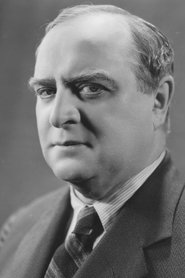
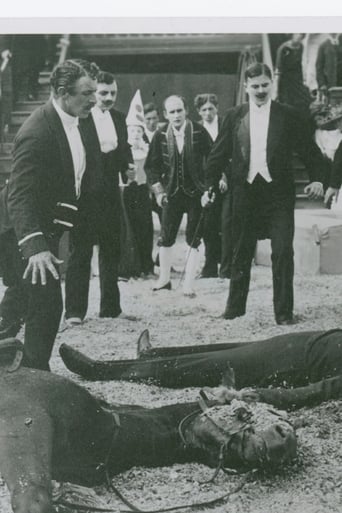
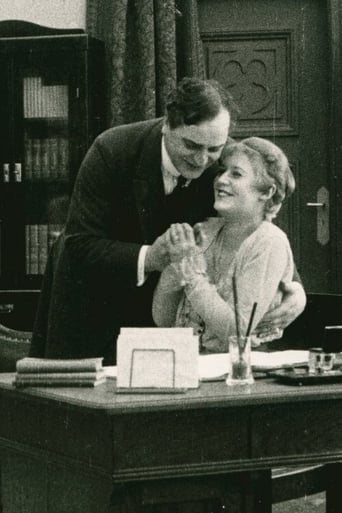
Carl Barcklind was a Swedish stage and screen actor whose film work belongs to the formative silent-cinema years in Scandinavia and German-language European film. He is documented in films from 1912 through 1917, placing him among the early generation of actors who moved between theatre and the emerging medium of motion pictures. Barcklind appeared in productions such as The Last Performance (1912), Calle as a Millionaire (1916), The Minister President (1916), and In the Fetters of Darkness (1917), suggesting a career rooted in the dramatic, prestige-oriented cinema of the period. Because records on many early European performers are incomplete, a full biographical outline of his personal life, training, and later career is difficult to reconstruct with certainty from readily available sources. What can be stated confidently is that he was active during the silent era and contributed to the development of early screen acting in Sweden and nearby film markets. His surviving filmography indicates that he worked during a transitional moment when cinema was still defining its performance style, moving from stage-inflected presentation toward a more specifically cinematic form of expression. He is remembered today primarily by historians and archival film databases as part of the foundational generation of Scandinavian film performers.
More about Carl Barcklind
On screen
As a silent-era performer, Barcklind would have relied on expressive facial work, controlled gestures, and physical clarity to convey character and emotion without spoken dialogue. The surviving record does not preserve detailed critical descriptions of his style, but actors of his period in Sweden generally balanced theatrical projection with the increasingly intimate demands of the camera. His roles in dramatic titles suggest he likely performed in a serious, emotionally direct manner suited to prestige dramas and character-centered narratives. Any precise assessment of his individual technique is limited by the scarcity of surviving reviews and documentation.
In film history
Carl Barcklind’s cultural impact lies less in celebrity recognition than in his participation in the first generation of Nordic screen performance. Actors like Barcklind helped establish the professional presence of Swedish performers in film at a time when the medium was still borrowing heavily from stage conventions. His work belongs to the era that laid the foundation for the later international reputation of Scandinavian cinema, especially the silent period that would soon produce globally admired directors and stars. Even where individual biographical details are thin, his film credits contribute to the broader historical record of early European screen culture and the development of acting styles suited to the silent medium.
Later reputation
Barcklind’s legacy is archival and historical: he is part of the essential but often underdocumented generation of actors who gave shape to silent cinema before long-form preservation and star publicity became routine. His name survives in film databases and early filmographies as evidence of an active Swedish screen career during 1912-1917. For historians, that makes him valuable as a representative figure in the study of early Scandinavian acting practice and production history. While he is not widely known to the general public today, his participation in surviving film records helps map the genealogy of European silent film performance.
Influence
There is no well-documented record of Carl Barcklind directly mentoring later stars or being widely cited as a major influence on subsequent generations. His influence is best understood indirectly, through his contribution to the pool of early actors whose work helped normalize screen performance in Sweden. By appearing in dramatic films during cinema’s formative years, he took part in shaping audience expectations for character portrayal, emotional emphasis, and visual storytelling. In that broader sense, his work forms part of the foundation upon which later Scandinavian film acting developed.
Off screen
Very little reliably documented personal information is readily available about Carl Barcklind in standard film references. His marriage history, family background, education, and post-film career are not clearly established in the surviving public record available here. Like many early Scandinavian screen actors, he appears in filmographies more often than in biographical sources, which means his private life remains largely obscure to modern researchers. Any deeper family or relationship details would require consultation of Swedish archival records, theatre registers, or contemporary newspaper files.
Credits
- Appeared in some of the earliest documented films of the Swedish silent era.
- Worked steadily across the first half of the 1910s, a crucial formative period for Scandinavian cinema.
- Was credited in The Last Performance (1912), an early screen credit that helps establish his place in film history.
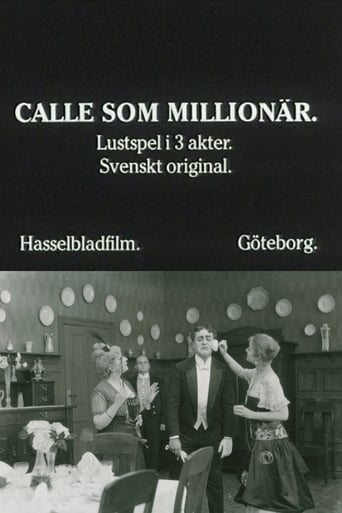
- Appeared in Calle as a Millionaire (1916) and The Minister President (1916), showing continued activity in mid-1910s productions.
- Featured in In the Fetters of Darkness (1917), marking the end of the known active period in available film records.
- Represents the class of theatre-trained performers who helped define screen acting before the standardized studio era.
Roles
- Roles in The Last Performance
- Roles in Calle as a Millionaire
- Roles in The Minister President
- Roles in In the Fetters of Darkness
Films
- The Last Performance (1912)
- Calle as a Millionaire (1916)
- The Minister President (1916)
- In the Fetters of Darkness (1917)
Notes
- His known film activity spans only the silent era, from 1912 to 1917.
- He is associated with early Swedish and European cinema rather than Hollywood.
- The surviving film record shows him in at least four titles, but his complete filmography may be larger than what is commonly indexed today.
- He worked during a period when many actors moved from theatre into cinema.
- His name appears in historical film databases, but detailed biographical profiles are scarce.
- Because documentation is limited, he is a useful example of how many early screen performers remain partially anonymous in modern film history.
- His credits include dramatic titles, implying work in serious narrative films rather than broad comedy or serial fare.
Questions
Who was Carl Barcklind?
Carl Barcklind was a Swedish silent-era actor active in film from 1912 to 1917. He is best understood as part of the early generation of Scandinavian screen performers who helped establish cinema as a serious dramatic medium.
What films is Carl Barcklind best known for?
He is known for early film appearances in The Last Performance (1912), Calle as a Millionaire (1916), The Minister President (1916), and In the Fetters of Darkness (1917). These credits are the key surviving markers of his film career.
When was Carl Barcklind born and when did he die?
His birth and death dates are not readily confirmed in the available sources used for this profile. Likewise, his birth and death places are not securely documented here.
What awards did Carl Barcklind win?
No awards or formal honors are clearly documented for Carl Barcklind in the available historical record. His significance is primarily historical rather than award-based.
What was Carl Barcklind's acting style?
As a silent-film actor, he would have relied on expressive gesture, facial clarity, and physically readable performance. Surviving records do not preserve detailed contemporary criticism of his individual style, but his work fits the theatrical yet increasingly cinematic acting traditions of the 1910s.
What is Carl Barcklind's legacy in film history?
His legacy is that of an early Swedish screen actor whose career documents the rise of silent cinema in Scandinavia. Even with limited biographical information, his credits help historians reconstruct the early decades of European film production and performance.