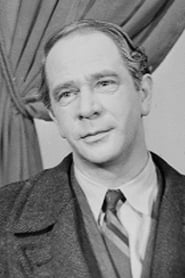
Nils Wahlbom
Actor
- Active
- 1917-1926
Films 2
About Nils Wahlbom
Nils Wahlbom was a Swedish actor associated with the silent and early sound eras of Scandinavian cinema. He is documented in film records from at least 1917 through 1926, with known screen appearances including In the Fetters of Darkness (1917) and The Tales of Ensign Stål (1926). His career belongs to the formative period of Swedish film, when stage-trained performers and character actors helped define the national cinema's restrained, literary, and often historically themed screen style. Surviving reference material on him is limited, which suggests that he was more likely a dependable supporting performer than a major international star. Even so, his presence in productions across nearly a decade indicates a working actor with sustained value to the film industry of his day. Because detailed biographical records are scarce, many aspects of his private life, training, and later career remain undocumented in commonly accessible film histories. He is best remembered today through filmographies and archival references that preserve his contributions to early Swedish cinema.
More about Nils Wahlbom
On screen
No contemporary critical descriptions of Nils Wahlbom's screen technique are readily available in standard reference sources. Based on the era and the kinds of films in which he appeared, his acting would likely have favored the restrained, expressive, stage-influenced style typical of Swedish silent cinema rather than broad melodrama. Performers of his generation often relied on carefully controlled gestures, facial expression, and an understated emotional register to serve literary and historical material. Without surviving reviews or detailed production accounts, any more specific characterization would be speculative.
In film history
Nils Wahlbom's cultural impact lies less in celebrity than in representation: he was part of the working body of actors who made Sweden one of the most respected film-producing nations of the silent era. Actors like Wahlbom helped populate historical adaptations, literary dramas, and prestige productions that gave Scandinavian cinema its international reputation for seriousness and artistic refinement. Even when not individually famous, such performers were essential to the texture and credibility of period films, especially in works drawn from national literature and history. His appearance in The Tales of Ensign Stål connects him to one of the major veins of Swedish cultural adaptation, where cinema helped circulate canonical literary heritage to a wider audience.
Later reputation
Wahlbom's legacy is archival rather than star-driven: he survives in filmographies, cast lists, and historical records as part of Sweden's silent-era film workforce. For researchers and enthusiasts of early cinema, his name contributes to the broader mapping of how Swedish film developed its acting ensembles and production culture. The fact that he is documented across nearly a decade suggests a durable professional presence, even if the absence of extended biographical records prevents a fuller personal portrait. In film history terms, his value is as a witness to the ensemble nature of early Scandinavian filmmaking, where many capable actors remain underrecognized despite meaningful contributions.
Influence
There is no evidence that Nils Wahlbom directly mentored widely known later performers, but he participated in a professional tradition that influenced the evolution of Swedish screen acting. The understated, naturalistic performance conventions associated with Scandinavian silent cinema were important to international film style, and actors of his generation helped normalize those approaches through repeated practice. His work in literary and historical films also supported a model of respectable, culturally grounded national cinema that later filmmakers could build upon. Any influence he had was likely indirect, through the collective standards of performance he helped sustain.
Off screen
Publicly accessible information about Nils Wahlbom's personal life is extremely limited. Standard film reference materials do not readily provide details about his family background, marriages, children, education, or life outside the screen. This scarcity is not unusual for many silent-era supporting players whose careers were documented primarily through studio and exhibition records rather than extensive publicity. At present, his private life should be considered largely undocumented in widely available sources.
Credits
- Appeared in the Swedish silent film In the Fetters of Darkness (1917), placing him within the early development of Scandinavian screen acting.
- Worked steadily enough to remain active across the 1910s and 1920s, a period of major transition in European cinema.
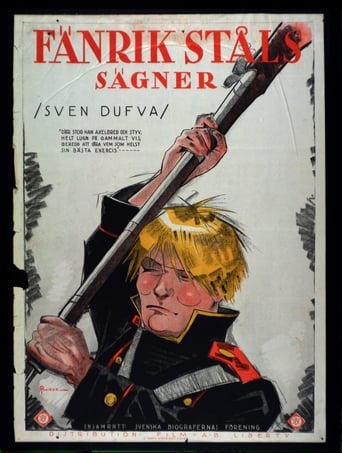
- Appeared in The Tales of Ensign Stål (1926), a literary and historical production drawn from a celebrated Swedish work.
- Represents the generation of character actors who supported Sweden's silent-era film culture alongside better-documented leading figures.
Roles
- Role in In the Fetters of Darkness (1917)
- Role in The Tales of Ensign Stål (1926)
Films
- In the Fetters of Darkness (1917)
- The Tales of Ensign Stål (1926)
Studios
- Swedish silent film industry
Notes
- He is documented as active in film from 1917 to 1926.
- His known screen appearances place him in the Swedish silent era.
- He is credited in both an early 1917 film and a 1926 literary adaptation, showing a long enough career to span a major phase of film history.
- Detailed personal records for him are scarce, which is common for many supporting actors of the silent period.
- The Tales of Ensign Stål links him to one of Sweden's important literary-film traditions.
- He should not be confused with later performers or similarly named individuals, as the available film record identifies him specifically as a classic-era actor.
Questions
Who was Nils Wahlbom?
Nils Wahlbom was a Swedish actor active during the silent era and early years of Scandinavian cinema. He is known from surviving film records for appearances such as In the Fetters of Darkness (1917) and The Tales of Ensign Stål (1926).
What films is Nils Wahlbom best known for?
He is best known for In the Fetters of Darkness (1917) and The Tales of Ensign Stål (1926). These credits place him within Swedish silent cinema and literary-historical filmmaking.
When was Nils Wahlbom born and when did he die?
His birth date and death date are not readily documented in widely accessible film reference sources. Likewise, his birth place and death place are not confirmed in the available records reviewed here.
What awards did Nils Wahlbom win?
No awards or formal honors are readily documented for Nils Wahlbom in accessible reference sources. This is not unusual for silent-era supporting actors whose careers were recorded mainly through film credits rather than publicity.
What was Nils Wahlbom's acting style?
No detailed critical description of his acting style survives in the sources readily available. As a performer in Swedish silent cinema, he would likely have used restrained, expressive gestures and a naturalistic screen presence suited to literary and historical films.
What is Nils Wahlbom's legacy in film history?
His legacy is that of a working actor who helped sustain Swedish silent cinema during its formative years. While not a major international star, he remains part of the historical record of the performers who gave early Scandinavian films their depth and credibility.