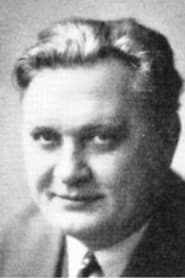
Frans Oskar Öberg
Actor
- Active
- 1916-1917
Films 4
About Frans Oskar Öberg
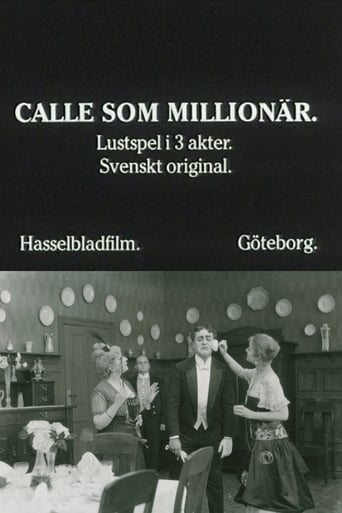
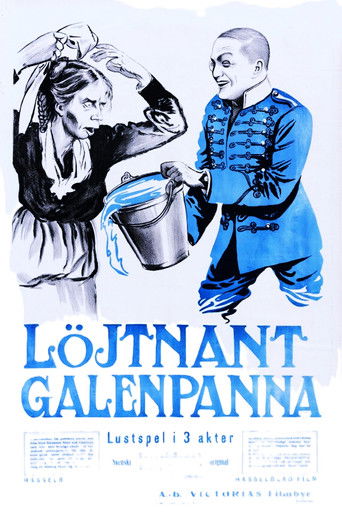
Frans Oskar Öberg is a documented Swedish silent-era film actor whose screen activity can be traced to the mid-1910s, a period when Swedish cinema was gaining international prestige through the work of major studios and filmmakers. Available filmography evidence places him in at least three productions in 1916 and 1917: Calle som millionär (Calle as a Millionaire), I mörkrets bojor (In the Fetters of Darkness), and Lieutenant Galenpanna. His career appears to have been brief or at least very sparsely recorded, which is not unusual for many performers of the silent era whose work was not comprehensively preserved in later archival sources. Because surviving records are limited, detailed information about his training, stage background, and later life has not been reliably established from readily available historical documentation. What can be stated with confidence is that he was active during one of the most important early periods of Swedish screen production, when local films were developing a strong identity and expanding beyond domestic audiences. His name survives primarily through filmographic references rather than through extensive biographical profiles, which makes him representative of many working actors who contributed to silent cinema without becoming major stars. In classic film history, Öberg is significant as part of the generation of actors who helped populate and shape the early Swedish feature film era.
More about Frans Oskar Öberg
On screen
No detailed contemporary critical descriptions of Frans Oskar Öberg's acting style have been located in readily available sources. As a silent-era performer, his work would have depended on expressive facial movement, clear physical gesture, and visual characterization rather than spoken dialogue. His surviving presence in the historical record suggests he worked in the practical, straightforward style common to ensemble players in early Swedish cinema. Beyond that, any more specific description would be speculative without access to reviews, production notes, or surviving prints.
In film history
Frans Oskar Öberg's cultural impact is best understood as archival rather than celebrity-based. He belongs to the generation of Swedish silent-film performers who helped establish the texture, realism, and ensemble acting that made early Swedish cinema highly regarded internationally. Even when an actor's individual stardom is not documented, participation in these formative productions contributed to the broader artistic identity of the national cinema. His surviving credits help historians reconstruct casting networks, production activity, and the range of performers active in Sweden during the 1910s. In that sense, Öberg is culturally significant as part of the historical fabric of silent-film production, not necessarily as a major public figure.
Later reputation
His legacy rests on the survival of his film credits and on the historical value those credits have for scholars of silent cinema. Frans Oskar Öberg is an example of the many performers whose names remain attached to early films even when biographical details have been lost or were never widely published. For film historians, such names are important because they help map the personnel of early Scandinavian production and preserve a more complete account of the era. His place in film history is therefore modest but meaningful, illustrating how the silent period depended on a wide pool of working actors whose contributions supported the artistic ambitions of the medium.
Influence
There is no documented evidence that Frans Oskar Öberg directly influenced later generations of performers in the manner of major stars or directors. His influence is indirect, lying in his participation in the silent-era Swedish screen tradition that later historians and archivists study as part of the development of Nordic cinema. The films he appeared in contribute to the historical record of ensemble acting and production practices in the 1910s. Any broader influence would therefore be contextual and institutional rather than personal or stylistic.
Off screen
No reliably documented personal-life profile for Frans Oskar Öberg is readily available in standard silent-cinema reference material. His birth and death details, family background, marriages, and domestic life are not currently established from accessible historical sources. This absence of information is common for many minor or lesser-documented performers from the silent era, especially those whose careers were short or whose records were not widely preserved. Until archival Swedish civil records or specialized film-industry databases provide more, his personal life must be regarded as unknown.
Education
Unknown; no verified educational background has been located in available reference sources.
Credits
- Appeared in the Swedish silent film Calle som millionär (1916), one of the few surviving film credits associated with his name
- Played a role in I mörkrets bojor (In the Fetters of Darkness) in 1917, confirming continued activity during the silent-film boom in Sweden
- Acted in Lieutenant Galenpanna (1917), completing the small known cluster of his screen appearances
- Serves as an example of a working character actor from the Scandinavian silent era whose contributions are preserved mainly in filmographic records
- Represents the broad ensemble of performers who supported Sweden's internationally respected early film industry
Roles
- Calle in Calle som millionär (if his role was title-associated in promotional records, though surviving role details are limited)
- Unnamed or unverified supporting role in I mörkrets bojor
- Unnamed or unverified supporting role in Lieutenant Galenpanna
Films
- Calle som millionär (1916)
- I mörkrets bojor (1917)
- Lieutenant Galenpanna (1917)
Collaborators
- Unknown
Studios
- Unknown
Notes
- Frans Oskar Öberg is associated with only a small number of known film credits, all from 1916-1917.
- He worked during the silent-film period, when actors had to communicate entirely through gesture, expression, and physical timing.
- His surviving record is typical of many lesser-known Scandinavian performers whose careers are visible mainly through filmographies.
- He appeared in at least one production whose English-language title is Calle as a Millionaire.
- The available evidence places him within Sweden's internationally respected early film culture.
- No verified birth, death, spouse, or family information is readily available in standard reference sources.
- His sparse record makes him a useful figure for researchers studying incomplete silent-era documentation.
- He is not to be confused with other individuals of similar Scandinavian names, as the filmography specifically ties him to these 1916-1917 Swedish titles.
Questions
Who was Frans Oskar Öberg?
Frans Oskar Öberg was a Swedish silent-era actor known from a small number of surviving film credits in the 1910s. He is part of the early Scandinavian screen generation whose work is preserved mainly through filmographies rather than extensive biography.
What films is Frans Oskar Öberg best known for?
He is known for Calle som millionär (1916), I mörkrets bojor (1917), and Lieutenant Galenpanna (1917). These are the primary titles currently associated with his screen career.
When was Frans Oskar Öberg born and when did he die?
His birth and death dates are not currently verified in accessible historical sources. Likewise, his birth place and death place remain unknown based on the available record.
What awards did Frans Oskar Öberg win?
No awards or formal honors are currently documented for him. This is not unusual for lesser-documented actors from the silent era, especially those with brief or sparsely recorded careers.
What was Frans Oskar Öberg's acting style?
No contemporary critical description of his personal acting style has been located. As a silent-film actor, he would have relied on expressive physical performance, facial communication, and clear visual characterization.
What is Frans Oskar Öberg's legacy in film history?
His legacy lies in his contribution to early Swedish cinema and in the historical record preserved by his film credits. He represents the many working actors who helped build silent-film production even if they did not become major stars.