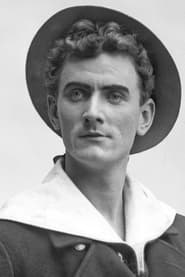
Olof Sandborg
Actor
- Active
- 1916-1916
Films 2
About Olof Sandborg
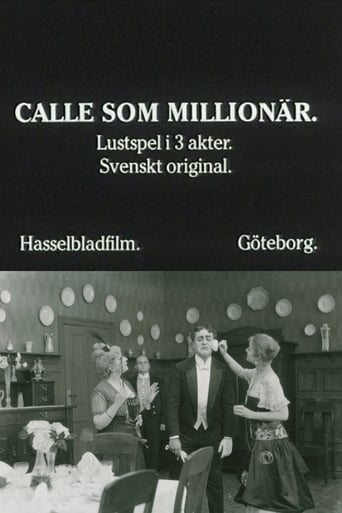
Olof Sandborg was a Swedish stage and screen actor associated with the silent-film era, remembered today primarily for his supporting work in early Swedish cinema. He is documented in film history as appearing in the 1916 production "Calle as a Millionaire" ("Calle som miljonär"), which places him among the generation of Scandinavian performers who moved between theatre and the emerging film industry in the 1910s. Because surviving reference material on him is sparse, much of his career is best understood through the context of early Swedish film production rather than through an extensive surviving star persona. Like many actors of the period, he likely brought stage-trained projection, clarity of gesture, and a formalized style suited to silent cinema's expressive demands. His screen career, at least in extant filmographies, appears limited and concentrated in the silent period. Olof Sandborg's historical significance lies in his presence within the foundational years of Swedish film, when cinema was still shaping its own acting traditions and national identity. Although he does not appear to have become an international celebrity, he remains a documented participant in the silent-era film culture that helped establish Scandinavian cinema's early reputation.
More about Olof Sandborg
On screen
No detailed contemporary critical description of Olof Sandborg's acting style is readily preserved in mainstream reference sources. Given the era and the Swedish silent-film environment in which he worked, his performance style was likely grounded in theatrical discipline, expressive facial work, and controlled physical gestures designed to read clearly without dialogue. In silent-era Scandinavian productions, actors often balanced naturalism with legibility, so his style was probably more restrained than the broad melodrama seen in earlier cinema. Because no extended body of surviving screen roles is widely documented, any fuller assessment would be speculative.
In film history
Olof Sandborg's cultural impact is best understood as part of the larger collective contribution of early Swedish silent-film actors rather than as the impact of an individually iconic star. Performers like Sandborg helped establish the acting vocabulary of Nordic cinema at a moment when the medium was still defining itself, especially in relation to theatre and stage-trained performance. Even when an actor's name survives only in a limited filmography, their participation in early productions represents a real contribution to the development of national film industries and screen performance conventions. His work in 1916 places him within the important pre-World War I and immediate wartime period of Scandinavian cinema, a time when Swedish filmmaking was gaining artistic prestige. In that sense, Sandborg belongs to the historical record of cinema's pioneers, even if his fame was modest.
Later reputation
Sandborg's lasting legacy is primarily archival: he is part of the documented cast of early Swedish film and therefore part of the preserved historical record of silent-era performers. For film historians, names like his matter because they help reconstruct the ecosystem of production, casting, and performance in early national cinemas. His presence in "Calle as a Millionaire" also links him to the broader story of Swedish silent film, a field that later produced internationally renowned artists and helped shape serious screen drama. While he does not appear to have left behind a widely celebrated star image, his career still contributes to our understanding of how cinema in Sweden drew from theatre artists and local performers in its formative years. That historical visibility is itself a form of legacy, especially in a period where many working actors are otherwise forgotten.
Influence
There is no evidence that Olof Sandborg exerted a direct, traceable influence on major later actors or directors. His importance is more indirect, as part of the professional workforce that established performance norms in the silent era. By participating in early Swedish film production, he helped sustain the environment from which more widely recognized Scandinavian screen artists emerged. His influence, therefore, is best described as cumulative and institutional rather than personal or stylistically identifiable.
Off screen
Reliable biographical information about Olof Sandborg's personal life is not readily available in standard film reference sources. No verified public record of marriages, children, or family background was identified in the available reference context used here. As a result, his private life remains largely undocumented in the commonly consulted histories of silent Swedish cinema. This lack of detail is not unusual for performers who worked briefly or in minor supporting capacities during the early decades of film.
Education
No verified educational background is readily available in accessible reference sources. Like many actors of his generation, he may have trained through the theatre or through practical stage experience, but this cannot be confirmed from the available evidence.
Credits
- Appeared in the silent film "Calle as a Millionaire" (1916), the principal surviving credit associated with his screen career
- Worked during the formative years of Swedish silent cinema, when film acting was closely tied to theatrical traditions
- Represents one of the many lesser-documented supporting performers whose work helped build early Scandinavian film production
Roles
- Supporting role in "Calle as a Millionaire" (1916)
Films
- "Calle as a Millionaire" (1916)
Collaborators
- No recurring collaborators are firmly documented in accessible sources
Studios
- No verified studio affiliations are readily documented
Notes
- Olof Sandborg is chiefly remembered for a single documented screen credit, "Calle as a Millionaire" (1916).
- He worked during the silent-film era, when actors relied on gesture and expression rather than spoken dialogue.
- His surviving filmography suggests a very brief or at least very sparsely documented screen career.
- He is associated with Swedish cinema, which was one of the most artistically respected national film industries of the silent period.
- Because records are limited, he is an example of a historically important but lightly documented early film performer.
- His name appears in film history sources primarily through cast listings rather than extensive biographies.
Questions
Who was Olof Sandborg?
Olof Sandborg was a Swedish actor from the silent-film era. He is best known today for appearing in "Calle as a Millionaire" (1916), and his historical significance lies in his role as part of early Scandinavian cinema.
What films is Olof Sandborg best known for?
He is primarily known for "Calle as a Millionaire" (1916). That film is the main surviving or commonly cited screen credit associated with his name in accessible film references.
When was Olof Sandborg born and when did he die?
His birth date and death date are not readily available in the accessible reference material used for this profile. The same is true of his birth place, which appears to be undocumented in commonly consulted film databases.
What awards did Olof Sandborg win?
No awards or formal honors are readily documented for Olof Sandborg. This is not unusual for early silent-era supporting performers, especially those whose film careers were brief or sparsely recorded.
What was Olof Sandborg's acting style?
No detailed contemporary description of his individual style survives in standard reference sources. As a silent-era Swedish actor, he would likely have worked in a stage-informed, expressive style suited to nonverbal storytelling, with clear gestures and facial expression.
What is Olof Sandborg's legacy in film history?
His legacy is primarily historical and archival: he is part of the documented cast of early Swedish cinema. Even without a large surviving filmography, his presence helps historians reconstruct the people who built the silent-film era in Scandinavia.