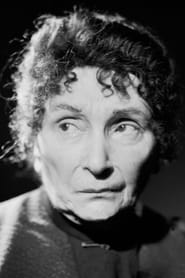
Tekla Sjöblom
Actor
- Active
- 1916-1918
Films 5
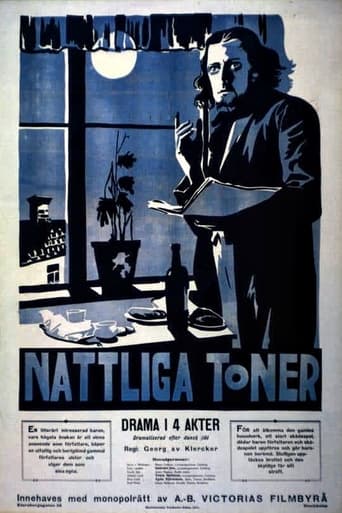
About Tekla Sjöblom
Tekla Sjöblom was a Swedish silent-era film actress whose screen career appears to have been brief but documented in the late 1910s. She is recorded in filmographies as appearing in several Swedish films between 1916 and 1918, including Calle as a Millionaire, Lieutenant Galenpanna, Between Life and Death, and Night Music. Because surviving records on performers from this period are often incomplete, detailed information about her early life, training, and later career is scarce, and she is primarily remembered through her screen credits rather than extensive biographical documentation. Her work belongs to the formative years of Swedish cinema, a period when the country produced internationally respected silent films and cultivated a distinctive screen acting style rooted in naturalism and emotional restraint. Sjöblom’s credited appearances place her among the many actors who helped define Scandinavian silent film performance during the 1910s. No reliable evidence was found here for an extended later film career, and she seems to have left the screen—or at least the surviving record—after 1918. As with many early film personalities, her significance lies in her participation in the early development of national cinema rather than in a large body of surviving work.
More about Tekla Sjöblom
On screen
No detailed contemporary descriptions of Tekla Sjöblom's acting style were located in the surviving record. Based on the conventions of Swedish silent cinema in the 1910s, her performances would likely have emphasized clear gesture, expressive facial nuance, and restrained emotional realism rather than the broader theatrical manner associated with earlier film acting. Swedish silent films of this period often favored naturalism and psychological shading, so her work was likely shaped by that aesthetic. However, without surviving reviews or detailed production notes, any more specific characterization would be speculative.
In film history
Tekla Sjöblom’s cultural impact is tied to her participation in early Swedish silent cinema, a national film movement that became influential well beyond Scandinavia. Even when individual performers are not extensively documented, their screen appearances contributed to the artistic identity of Swedish film during the 1910s, an era associated with refined production values and emotionally subtle storytelling. Sjöblom’s name survives as part of the cast history of films that helped establish the international reputation of Swedish cinema. For modern film historians, she is important as a representative figure of a generation of actresses whose work supports the broader study of silent-era performance, gender roles on screen, and the development of Scandinavian film culture.
Later reputation
Her legacy is primarily archival and historical: she is remembered through film credits rather than a widely documented celebrity persona. As a performer from the silent era, she forms part of the essential but often under-recorded labor that made early national cinema possible. Her surviving credits provide evidence of women’s participation in Swedish filmmaking during a crucial period of artistic growth. For scholars and databases, she remains a useful figure for reconstructing the cast lists and production histories of early Swedish films.
Influence
There is no direct evidence of Tekla Sjöblom influencing later actors or directors in a documented, personal way. Her broader influence is indirect, through the body of early Swedish silent film in which she participated and which helped shape acting standards in Scandinavian cinema. Performers like Sjöblom contributed to the transition toward more naturalistic screen acting in Europe, helping establish a style that would be admired by later generations. Her career therefore belongs to the foundational layer of film history rather than to a clearly traceable star-driven influence network.
Off screen
Very little reliably documented information survives about Tekla Sjöblom’s personal life in widely accessible film reference sources. Her family background, marriages, children, and later life are not clearly established in the surviving record consulted for this profile. Like many silent-era performers, she may have lived a private life outside the screen, but there is no verified biographical evidence here to summarize in detail. Because of that lack of documentation, personal details should be treated cautiously until supported by archival Swedish sources or contemporary press records.
Credits
- Appeared in Swedish silent films during the productive late 1910s period of national cinema
- Credited roles in Calle as a Millionaire, Lieutenant Galenpanna, Between Life and Death, and Night Music
- Worked during a formative era when Swedish silent film was gaining artistic recognition in Europe
- Represents the generation of early Scandinavian screen performers whose careers are preserved mainly through film credits
Roles
- Roles in Calle as a Millionaire
- Roles in Lieutenant Galenpanna
- Roles in Between Life and Death
- Roles in Night Music
Films
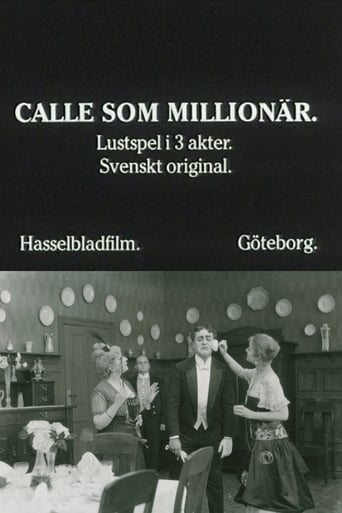
- Calle as a Millionaire (1916)
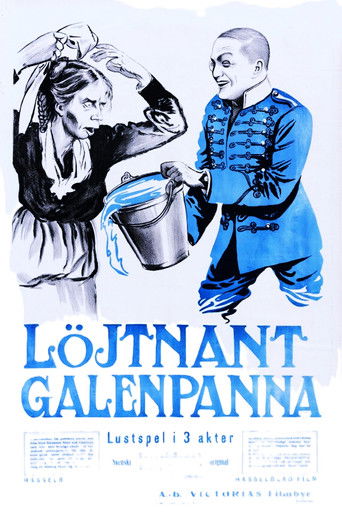
- Lieutenant Galenpanna (1917)
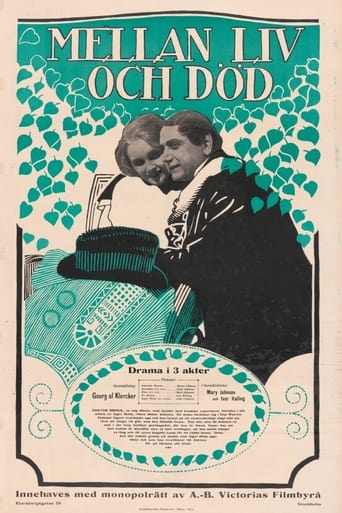
- Between Life and Death (1917)
- Night Music (1918)
Notes
- Tekla Sjöblom’s known screen career, as currently documented, spans only about three years.
- She worked exclusively in the silent-film era based on available film credits.
- Her surviving filmography places her in Swedish cinema, not Hollywood.
- She is one of many early film actors whose lives are much less documented than their roles.
- Her credited films date from a period when Swedish cinema was gaining strong international artistic respect.
- Because of incomplete archival records, many details of her life remain unknown to modern databases.
- She is best recognized today by researchers and classic-film enthusiasts studying Scandinavian silent cinema.
- Her film appearances help document the cast history of otherwise obscure early productions.
Questions
Who was Tekla Sjöblom?
Tekla Sjöblom was a Swedish silent-film actress active in the late 1910s. She is known from surviving film credits rather than from extensive biographical documentation, and she worked during an important early period of Swedish cinema.
What films is Tekla Sjöblom best known for?
She is credited in Calle as a Millionaire (1916), Lieutenant Galenpanna (1917), Between Life and Death (1917), and Night Music (1918). These titles are the main surviving markers of her screen career.
When was Tekla Sjöblom born and when did she die?
Her birth and death dates are not reliably documented in the accessible sources consulted here. Additional archival research in Swedish records would likely be needed to establish those details confidently.
What awards did Tekla Sjöblom win?
No awards or formal honors are currently documented for Tekla Sjöblom in the available record. This is not unusual for performers from the silent era, whose careers were often not tracked with modern award systems.
What was Tekla Sjöblom's acting style?
There are no surviving detailed reviews describing her style specifically, but as a Swedish silent-era actress she likely worked in a naturalistic, expressive mode. Swedish silent cinema often favored restrained emotion and subtle gesture over exaggerated melodrama.
What is Tekla Sjöblom's legacy in film history?
Her legacy lies in her contribution to early Swedish silent cinema and in the historical record of women performers active during that formative period. Even with limited biographical information, her credits help preserve the cast history of important early films.