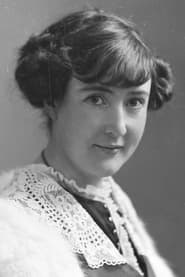
Selma Wiklund af Klercker
Actor
- Active
- 1912-1912
Films 2

About Selma Wiklund af Klercker
Selma Wiklund af Klercker was a Swedish screen performer associated with the very earliest years of narrative cinema in Sweden. Her documented film career is brief, with known screen appearances in 1912, a period when Swedish film production was still developing its artistic identity and many performers worked across stage and film. She is credited in early silent films such as The Last Performance (1912) and The Springtime of Life (1912), which places her among the small group of actors active during the formative silent era. Beyond these surviving credits, readily available public records provide very little detailed biographical information, which is common for many early Scandinavian film personalities whose careers were only lightly documented. No reliable evidence of a long later film career, extensive stage record, or detailed personal history is broadly documented in standard reference sources. As a result, she is primarily remembered today as an early Swedish film actor whose screen work belongs to cinema's pioneering phase rather than as a major star of the later silent period. Her importance lies in her presence within the first generation of Scandinavian screen performers whose contributions helped establish the medium in Sweden.
More about Selma Wiklund af Klercker
On screen
No detailed contemporary description of her acting style has survived in widely accessible sources. Given her active period in 1912, her performances would have been shaped by early silent-film acting conventions, which typically emphasized expressive facial gesture, clear physical movement, and readable emotional states for the camera. Her work would likely have been closer to stage-inflected naturalism tempered by the needs of silent storytelling than to the more restrained screen style that emerged later in the 1910s and 1920s. Because no critical writing or extended performance analysis is readily documented for her, any more specific characterization would be speculative.
In film history
Selma Wiklund af Klercker's cultural significance is tied less to celebrity than to historical placement. As a performer active in 1912, she participated in the fragile, experimental phase of Swedish filmmaking, when the national cinema was still defining its visual grammar and performance style. Early actors like her contributed to the establishment of on-screen acting practices that would later be refined by more famous Scandinavian silent-film artists and directors. Even when biographical detail is scarce, the presence of documented credits from this era is valuable because it helps historians reconstruct the personnel and production networks of the period. Her work is part of the larger foundation on which Sweden's internationally admired silent cinema would later be built.
Later reputation
Her legacy is primarily archival and historical rather than celebrity-driven. Selma Wiklund af Klercker remains of interest to film historians because she is one of the named performers associated with the very early years of Swedish screen production. In silent-cinema scholarship, such figures are important not only for the roles they played, but for the evidence they provide about casting, performance style, and the development of the industry. Although she does not appear to have left behind a widely recognized body of work, her documented presence in 1912 helps preserve the memory of the first generation of film artists in Scandinavia. For movie databases and historical catalogs, she represents an essential but often under-documented part of cinema's origins.
Influence
There is no documented evidence that Selma Wiklund af Klercker directly mentored other performers or became a widely cited influence on later actors. Her influence should instead be understood in a collective sense: early Swedish performers helped normalize film acting as a legitimate profession and contributed to the evolution of screen performance before the medium became fully established. By appearing in films at a time when cinema was still closely tied to theatrical traditions, she formed part of the transitional generation whose work informed later silent-era methods. Her name persists primarily as a historical record, useful to researchers tracing the earliest cast lists and production histories in Swedish film.
Off screen
Very little reliably documented information is publicly available about Selma Wiklund af Klercker's personal life. Standard film reference material does not, in readily accessible form, provide confirmed details about her birth, family background, marriage, children, or later life. She appears to be one of many early silent-era Scandinavian performers whose professional traces survive more clearly than their private histories. Because of this, her personal biography remains largely unrecorded in accessible mainstream sources. Any claim beyond her known screen credits would require specialized archival research in Swedish records, trade publications, or contemporary press materials.
Credits
- Appeared in two known silent films in 1912, during the early development of Swedish cinema
- Received screen credits in The Last Performance (1912), one of her documented film appearances
- Received screen credits in The Springtime of Life (1912), another surviving credit from the same year
- Belonged to the first generation of Swedish performers who appeared in films before the major international rise of Swedish silent cinema
- Represents the kind of early screen actor whose work helped establish acting conventions in the silent era
Films
- The Last Performance (1912)
- The Springtime of Life (1912)
Notes
- She is documented as active only in 1912, making her screen career extremely brief in surviving records.
- Her known filmography places her in the earliest phase of Swedish silent cinema.
- She is credited in The Last Performance (1912) and The Springtime of Life (1912).
- Publicly accessible reference sources provide very limited biographical detail about her life outside these film credits.
- She is part of the generation of performers whose names survive in cast lists even when fuller biographies do not.
- Her surname suggests possible connection to the af Klercker family name, but no safe biographical conclusion should be drawn without archival confirmation.
- Because many early silent films and records are incomplete, some details of her career may be lost or undocumented rather than nonexistent.
Questions
Who was Selma Wiklund af Klercker?
Selma Wiklund af Klercker was a Swedish silent-era actor active in 1912. She is known from early film credits that place her among the first generation of performers in Swedish cinema. Very little detailed biographical information about her has survived in widely accessible sources.
What films is Selma Wiklund af Klercker best known for?
She is best known for her documented appearances in The Last Performance (1912) and The Springtime of Life (1912). These early credits are the main surviving evidence of her screen career. Because her filmography is so brief in available records, these two titles define her historical presence in cinema.
When was Selma Wiklund af Klercker born and when did she die?
Her birth date and death date are not reliably documented in widely accessible standard sources. The same is true for her exact birth place and death place, if applicable. More specialized archival research would be needed to confirm those details.
What awards did Selma Wiklund af Klercker win?
No awards or nominations are currently documented for her in accessible reference sources. This is not unusual for early silent-era performers, many of whom worked before modern awards culture existed in film. Her significance is historical rather than award-based.
What was Selma Wiklund af Klercker's acting style?
No contemporary critical description of her acting style is widely available. Based on the period in which she worked, her performances would have followed early silent-film conventions that relied on expressive gesture, facial expression, and clear physical storytelling. Any more specific assessment would be speculative without surviving reviews or film analysis.
What is Selma Wiklund af Klercker's legacy in film history?
Her legacy lies in her place within the earliest years of Swedish cinema. Even with only a small known filmography, she is part of the historical record that shows who was working in front of the camera as the medium took shape. For film historians, such performers are essential to understanding the origins of national cinema.