The Springtime of Life
Plot
The film follows a motherless child who endures a difficult and emotionally unstable upbringing before rising above her hardships. As she grows, she transforms her suffering into artistic achievement and becomes a celebrated international opera singer. The story then brings the past back into contact with the present when she returns to perform in her original hometown. That homecoming creates a dramatic confrontation between personal memory, social origins, and public triumph, allowing the film to contrast childhood deprivation with adult fame.
About the Production
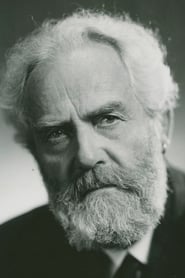
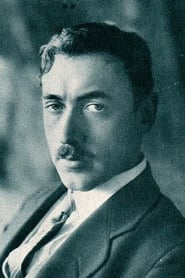
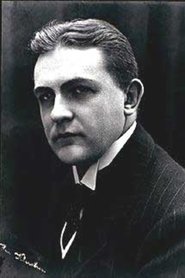
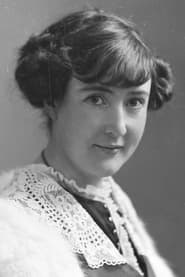
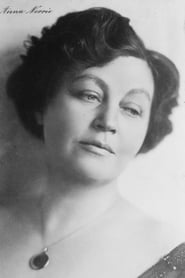
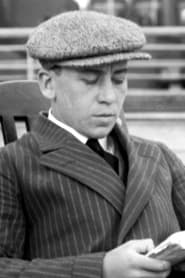
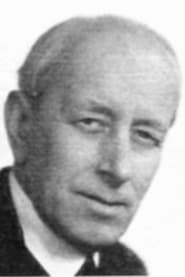
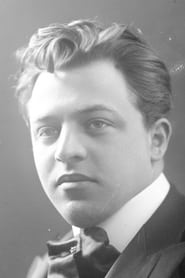
This is an early Swedish silent drama from the period when Svenska Biografteatern was helping establish Sweden as a major center of pre-war cinema. The film is associated with an unusually notable cast for the era, including Victor Sjöström, Mauritz Stiller, and Georg af Klercker, all of whom were important figures in Swedish film history. Surviving production documentation is limited, and precise details such as exact shooting locations, budget, and box-office performance are not securely documented in readily available modern references. Like many films of the period, it was made before standardized production records and before detailed publicity materials became common, so much of its production history remains fragmentary.
Historical Background
The film was made in 1912, a period when European cinema was rapidly expanding its narrative ambitions and Sweden was beginning to emerge as one of the most artistically important film-producing nations in the world. This was the silent era, before feature-length continuity style had fully stabilized internationally, and Scandinavian filmmakers were already developing a reputation for visually refined, emotionally serious dramas. The story of a child overcoming adversity to achieve international acclaim reflects early 20th-century interest in social mobility, moral resilience, and the cultural prestige of opera and the performing arts. Historically, the film matters because it sits at the intersection of early Swedish studio production and the careers of personnel who would later shape world cinema, making it a useful artifact for understanding the pre-World-War-I foundations of the Swedish screen tradition.
Why This Film Matters
Although not as widely known as later Swedish classics, the film is culturally significant as part of the early body of Scandinavian cinema that helped establish the region’s international reputation for serious, psychologically inflected drama. Its narrative of a woman rising from hardship to artistic distinction also fits a broader early-cinema pattern in which female-centered melodramas explored class, identity, and moral endurance. The film’s connection to major Swedish film pioneers enhances its importance for historians, since works like this show those figures in the period before their later directorial fame. For contemporary researchers, it is valuable as evidence of how early Swedish films blended theatrical storytelling, emotional realism, and aspirational social themes.
Making Of
The Springtime of Life belongs to the early phase of Swedish film production when Svenska Biografteatern was consolidating a style that mixed stage-like dramatic plotting with increasingly cinematic storytelling. The presence of Victor Sjöström, Mauritz Stiller, and Georg af Klercker is especially notable because all three would later become towering names in Scandinavian cinema, and their involvement suggests the film drew on the company’s pool of versatile theatrical and film talent. Detailed behind-the-scenes accounts are scarce, which is typical for a 1912 production, but the film likely reflects the industrial practice of the time: compact shooting schedules, limited documentation, and emphasis on expressive visual acting. Its focus on an opera singer also implies careful attention to gesture and social contrast, since silent films had to convey musical performance and emotional transformation without audible song.
Visual Style
The film’s visual style would have been shaped by the conventions of early 1910s Swedish silent filmmaking: fixed or gently adjusted camera setups, theatrical but expressive blocking, and an emphasis on legible facial expression and bodily gesture. Because the story involves the contrast between childhood hardship and adult fame, the cinematography likely relied on clear visual contrasts between domestic or modest settings and the more elevated world of performance. Early Swedish films often favored naturalistic outdoor light when possible and carefully composed interiors, and this production likely followed that balanced approach. Without surviving detailed shot analyses in common references, the most defensible observation is that the film belongs to the visually disciplined, melodramatic style associated with Svenska Biografteatern during the period.
Innovations
The film does not appear to be associated with a specific technical innovation like special effects or synchronized sound. Its significance is instead tied to early Swedish feature-style storytelling, disciplined staging, and the use of professional screen talent who could carry melodramatic narrative through expression and composition alone. The production also demonstrates the maturation of silent-era narrative techniques in which time could be compressed to show a life story moving from childhood suffering to adult success. In that sense, its technical achievement is historical rather than revolutionary: it is an example of competent, early, internationally oriented dramatic filmmaking.
Music
As a 1912 silent film, it had no synchronized recorded soundtrack. Any music shown during screenings would have been supplied live by a pianist, organist, small ensemble, or local theater musician, depending on venue and region. Because the plot concerns an opera singer, exhibitors may at times have chosen accompaniment that emphasized vocal or lyrical themes, but no original cue sheet is widely documented in standard sources. No original recorded score is known to survive in common reference materials.
Memorable Scenes
- The central homecoming sequence, in which the now-famous singer returns to perform in her original hometown and the emotional weight of her past collides with her present success.
- The contrast between the heroine's difficult early life as a motherless child and her later transformation into an internationally acclaimed performer.
Did You Know?
- The film is an early Swedish silent drama made during the formative years of the national cinema.
- Its cast includes three major Swedish film personalities who are better known today as directors and pioneers than as performers: Victor Sjöström, Mauritz Stiller, and Georg af Klercker.
- The plot centers on opera performance, a subject that reflects the era's frequent fascination with rising from hardship to artistic prestige.
- Because it is a silent film from 1912, no synchronized soundtrack or dialogue track exists in the original release form.
- The film is cataloged under the Wikidata identifier Q11976745 and the TMDb identifier 417155.
- Many films from this period survive only partially or in uncertain archival condition; preservation details for this title are not widely circulated in standard popular databases.
- The title suggests a melodramatic life-cycle narrative common in early 20th-century European cinema, with a focus on innocence, suffering, and redemption.
- Its appearance in film-history databases is significant because it documents the screen work of leading Scandinavian cinema figures before they became internationally famous behind the camera.
What Critics Said
Contemporary reviews are not widely documented in accessible modern sources, so a precise reconstruction of its 1912 critical reception is difficult. In general, early Swedish dramas from this period were often admired for their seriousness, visual restraint, and strong emotional appeal, especially when compared with the more sensational output of some other national cinemas. Modern evaluation tends to focus less on the film as a standalone canonical work and more on its historical value, cast significance, and place within early Swedish studio production. As with many silent-era titles of limited circulation, it is primarily of interest to historians, archivists, and specialized audiences rather than general critics.
What Audiences Thought
Specific box-office or audience-survey data are not known, so its popular reception cannot be quantified with confidence. In 1912, films built around melodramatic transformation and emotional redemption were generally accessible to broad audiences, particularly when they centered on recognizable performance traditions such as opera. The fact that the film has persisted in film databases suggests it retained some archival or scholarly interest even if its original mass-audience impact is no longer measurable. Today it is chiefly encountered by silent-film enthusiasts and researchers rather than mainstream viewers.
Film Connections
Influenced By
- Stage melodrama and theatrical performance traditions
- Early European social-reform and uplift narratives
- Opera-centered prestige stories common in early 20th-century literature and theater
This Film Influenced
- Later Swedish melodramas with emotionally centered female protagonists
- Early silent life-story dramas built around rise-from-adversity narratives
You Might Also Like
More Drama Films
View allFilm Restoration
Preservation status is uncertain in widely accessible modern references; it is not commonly encountered as a readily available restored title, and archival survival details are not consistently documented in standard public databases.