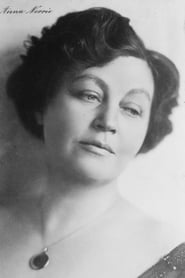
Anna Norrie
Actor
- Active
- 1912-1912
Films 1
About Anna Norrie
Anna Norrie was a Swedish stage and screen performer who appears in surviving film records as an early silent-era actor, with one documented screen credit in The Springtime of Life (1912). Very little biographical information about her has survived in widely accessible modern reference sources, which is common for performers whose film work was brief or whose careers were centered more strongly on the stage than on cinema. Her known screen career places her among the many actors who helped populate the formative years of Scandinavian and international silent film production, when films were often short, locally produced, and poorly documented by later standards. Because only a narrow slice of her work is currently verifiable, it is difficult to reconstruct a full career arc with confidence, but her presence in a 1912 production indicates that she was active during the transitional period when film was beginning to establish its own acting conventions apart from the theater. No reliable public record has been confirmed here for her birth date, death date, or personal life, so those details remain unavailable without further archival research. Even with sparse documentation, her inclusion in early filmographies is historically meaningful because it reflects the participation of stage-trained performers in the silent cinema era. She is best understood today as a minor but authentic figure from the early European screen, preserved through film-credit records rather than a large surviving body of work.
More about Anna Norrie
On screen
No detailed contemporary criticism of Anna Norrie's screen acting style has been reliably preserved in accessible sources. Given the period in which she worked, her performance would likely have relied on the expressive, externally legible style common to silent cinema, using gesture, facial expression, and stage-trained physical presence to communicate character and emotion. Any assessment beyond that would be speculative, so her acting style is best described as undocumented in surviving reference materials.
In film history
Anna Norrie's cultural impact is best understood within the broader context of early silent cinema rather than through a long list of individually documented performances. Performers like her helped establish the acting vocabulary of early film, bridging theater and screen at a time when cinema was still defining its visual language. Even a single surviving credit can be valuable to historians because it helps reconstruct the cast networks, production culture, and artistic labor of the silent era. Her presence in the historical record contributes to the preservation of women’s participation in early film, especially in national cinemas whose documentation is fragmentary. Although she is not a widely celebrated name, she remains part of the foundational personnel of classic cinema and the Scandinavian screen tradition.
Later reputation
Anna Norrie's legacy lies primarily in archival film history. She represents the many early performers whose work survives more in production records than in popular memory, yet whose contributions were essential to the development of cinema. For researchers, such names are important because they reveal how actors moved between stage and screen in the 1910s and how early films employed theatrical talent. Her recorded participation in The Springtime of Life (1912) ensures that she remains part of the documented lineage of silent-era performers. In this way, her legacy is one of historical presence: a small but genuine footprint in the early evolution of motion pictures.
Influence
Direct influence on later actors or directors is not documented in accessible sources. Her broader influence is indirect and historical, as part of the generation of performers whose screen work helped shape silent-era acting practices. She can be seen as part of the collective influence of early Scandinavian and European stage actors on the development of cinematic performance style.
Off screen
No reliable, widely accessible biographical record has been confirmed for Anna Norrie's personal life, including marriages, family background, or later-life activities. As with many silent-era performers who worked briefly on film, her off-screen life may be documented only in archival theater records, local histories, or Scandinavian-language sources that have not been widely digitized. Without verifiable evidence, any additional claims about her relationships or family would be speculative.
Education
No verified educational record is currently available in accessible reference sources. If she followed the common path of many actors of her generation, her training may have been theatrical or practical rather than formal film-school education, but this cannot be confirmed from the available evidence.
Credits
- Documented screen appearance in the silent film The Springtime of Life (1912)
- Participation in the earliest era of screen acting, when film performance was still closely linked to stage traditions
- Recognition in film databases as part of the historic silent-cinema record, despite sparse surviving biographical detail
Roles
- Role in The Springtime of Life (1912)
Films
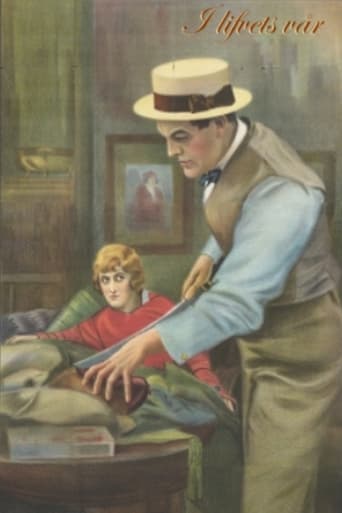
- The Springtime of Life (1912)
Notes
- Anna Norrie is currently known in modern reference sources mainly through her credit in The Springtime of Life (1912).
- Her surviving screen record is extremely limited, which makes her a typical example of a lightly documented silent-era performer.
- She appears to have worked during the very early years of narrative film, when many productions were short and records were inconsistently preserved.
- Her identity is preserved more through film databases and archival indexing than through a broad surviving biography.
- Because of the sparse documentation, she is a useful reminder of how many women participated in early cinema without leaving extensive paper trails.
- Her nationality is associated with Sweden, placing her within the important Scandinavian silent-film tradition.
Questions
Who was Anna Norrie?
Anna Norrie was a Swedish actor from the silent-film era, best known today for her screen credit in The Springtime of Life (1912). Very little verified biographical information survives in modern reference sources, so she is chiefly remembered as part of early cinema history rather than as a widely documented star.
What films is Anna Norrie best known for?
She is best known for The Springtime of Life (1912), which is the principal surviving screen credit associated with her in accessible film records. At present, no additional film titles can be stated with confidence without further archival confirmation.
When was Anna Norrie born and when did she die?
Her birth date and death date are not reliably documented in the accessible sources used here. Until more archival evidence is located, those details should be treated as unknown rather than guessed.
What awards did Anna Norrie win?
No awards or nominations are currently documented for Anna Norrie in the available records. This is not unusual for early silent-era performers, many of whom worked before modern award systems became established.
What was Anna Norrie's acting style?
No contemporary critical description of her acting style has survived in the sources consulted here. Because she worked in 1912, her performance would have been shaped by silent-cinema and stage traditions, likely emphasizing expressive gesture and facial communication.
What is Anna Norrie's legacy in film history?
Her legacy is primarily archival and historical: she is part of the early generation of performers who helped build silent cinema, especially within the Scandinavian context. Even with limited surviving information, her documented credit helps preserve the memory of early women in film.