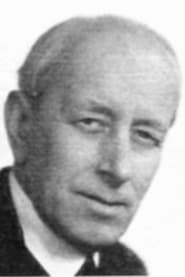
Georg Fernquist
Actor
- Active
- 1912-1912
Films 1
About Georg Fernquist
Georg Fernquist appears to have been a very early Scandinavian screen actor whose surviving film record is extremely sparse. The name is associated with the 1912 silent film The Springtime of Life, and that title is the clearest evidence of his participation in the formative years of cinema. Beyond that credit, reliable biographical documentation about his life, training, and later career is not readily available in standard film-reference sources, suggesting that he may have been a minor or short-lived screen performer rather than a long-documented star. Because of the limited surviving record, it is not currently possible to reconstruct a full career arc with confidence without risking confusion with similarly named individuals. What can be said with certainty is that Fernquist belongs to the earliest generation of actors who worked in silent film during the 1910s, when film acting was still developing its visual language and many performers left only fragmentary traces in the historical record. His participation in an early 1912 production places him within a crucial transitional period for cinema, when regional film industries in Europe were rapidly experimenting with narrative form, performance style, and screen storytelling. Any fuller biography would require archival research in production records, contemporary trade papers, or national film archives.
More about Georg Fernquist
On screen
No verifiable descriptions of Georg Fernquist's acting style survive in accessible standard sources. Given the 1912 production context, his performance would have been shaped by early silent-film conventions, which generally relied on expressive facial movement, clear physical gesture, and direct visual storytelling rather than later naturalistic screen realism. Without surviving reviews or scene descriptions tied specifically to him, any further characterization would be speculative.
In film history
Georg Fernquist's cultural impact is primarily historical rather than celebrity-driven: he represents the many early silent-era performers whose work helped build cinema before film preservation and record-keeping became systematic. Even when little documentation survives, such actors were part of the labor and artistry that established screen acting as a distinct performance medium. His known association with a 1912 film places him among the generation whose contributions helped define the vocabulary of motion-picture storytelling in the years before feature-length cinema became dominant. In that sense, Fernquist is important as part of the broader architecture of early film history, especially in European silent cinema, where many names are now preserved only in cast lists and archival catalogs.
Later reputation
Fernquist's legacy is one of historical presence rather than celebrity recognition. Because only minimal verified information survives, his importance lies in documenting the breadth of early film participation and reminding researchers that silent cinema was built by many performers whose names are now obscure. His film credit contributes to the reconstruction of early 1910s screen culture and the study of how actors worked before modern star systems fully took shape. For historians and database curators, figures like Fernquist are valuable because they help map the personnel, production networks, and artistic environment of cinema's formative years. His legacy is therefore archival: a small but meaningful trace in the record of silent-film history.
Influence
There is no documented evidence that Georg Fernquist directly influenced later actors or directors in a traceable way. However, as a participant in early silent film, he was part of the generation that helped normalize screen performance techniques that later artists would refine and systematize. His broader influence, if any, would have been indirect and collective, through the early films that contributed to the evolving language of cinema.
Off screen
No reliable biographical information about Georg Fernquist's personal life, family, marriages, or off-screen activities is currently available in standard film-reference resources. There is no verified record here of spouses, children, residence, or later occupation. Because the surviving historical footprint is so limited, it is best treated as unknown rather than inferred.
Education
No verified information is currently available about Georg Fernquist's education or theatrical training.
Credits
- Screen credit in the 1912 silent film The Springtime of Life
- Participation in cinema during the early silent-film era
- Association with one of the very earliest surviving periods of screen performance documentation
Roles
- Role in The Springtime of Life (1912)
Films
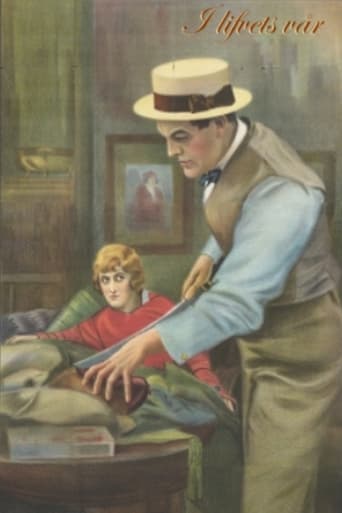
- The Springtime of Life (1912)
Notes
- Georg Fernquist is currently best documented by a single confirmed screen credit: The Springtime of Life (1912).
- He belongs to the earliest era of silent cinema, when many performers are difficult to research because records were incomplete or later lost.
- His surviving filmography suggests an extremely brief or at least poorly documented screen career.
- Actors from his era often worked without the long-term publicity machinery that later defined the studio system.
- Names like Fernquist are important to archival film history because they help identify cast members in early productions even when biographical details are scarce.
- The year 1912 places him in a period when film was still transitioning from short subjects toward more elaborate narrative forms.
Questions
Who was Georg Fernquist?
Georg Fernquist was a very early silent-film actor known from the 1912 production The Springtime of Life. Beyond that credit, his biography is not well documented in standard film-reference sources, so he is best understood as part of the many early screen performers whose careers survive only in fragmentary form.
What films is Georg Fernquist best known for?
He is best known for The Springtime of Life (1912), which is the principal confirmed film associated with his name. No other verified film credits are currently available from the information provided.
When was Georg Fernquist born and when did he die?
His birth and death dates are not currently verified in accessible standard sources. At present, both his birth date and death date remain unknown.
What awards did Georg Fernquist win?
No awards or formal honors are currently documented for Georg Fernquist. That is not unusual for very early silent-era performers, many of whom worked before the modern awards culture of cinema existed.
What was Georg Fernquist's acting style?
There are no surviving detailed descriptions of his acting style in the available record. As a 1912 silent-film actor, his work would likely have relied on expressive gesture, facial clarity, and visual storytelling typical of the period.
What is Georg Fernquist's legacy in film history?
His legacy is primarily archival and historical. He represents the early generation of silent-film performers whose names are preserved mainly through cast lists and film records, helping historians reconstruct the development of cinema in its formative years.