
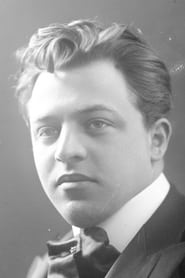
Erland Colliander
Actor
- Active
- 1912-1912
Films 2
About Erland Colliander
Erland Colliander was a Swedish silent-era screen actor whose surviving film record places him squarely in the earliest years of Scandinavian cinema. He is known today primarily through his credit in the 1912 film The Springtime of Life, one of the few identifiable screen appearances associated with his name. Like many performers of the period, he worked during a time when film documentation was often incomplete, so the surviving record preserves only a fragment of his professional life. His career appears to have been brief or at least very sparsely recorded, with no widely documented transition into later sound-era film work. Because of the limited archival evidence, many personal details about his background, training, and later life remain obscure. Nevertheless, his name survives in early film histories as part of the generation of actors who helped establish narrative performance in the silent era. He is best understood as a minor but legitimate contributor to the formative years of Swedish cinema rather than a broadly documented star.
More about Erland Colliander
In film history
Erland Colliander's cultural impact is best understood in the context of early Scandinavian silent film, where many actors participated in productions that helped define the language of screen acting before sound. Even when an individual performer is poorly documented, inclusion in a 1912 film reflects participation in the pioneering phase of Swedish cinema, a national film culture that would later gain international significance. His surviving credit contributes to the historical record of the era, helping film scholars trace cast lists, production networks, and performance practices in early narrative filmmaking. For modern audiences, his name is part of the broader tapestry of forgotten silent-era artists whose work laid the groundwork for later cinematic development.
Later reputation
Colliander's legacy is primarily archival rather than celebrity-based: he is remembered because his name appears in one of the earliest surviving records of Swedish screen performance. In film history, such figures matter because they document the scale and breadth of the silent era beyond the handful of famous directors and stars. His presence in The Springtime of Life gives researchers a small but useful point of reference in reconstructing early Scandinavian film personnel. While he does not appear to have left a large body of work, his credit remains part of the historical foundation on which later Swedish film culture was built.
Influence
There is no documented evidence that Erland Colliander directly influenced later actors or directors in a traceable way. His influence is therefore indirect and historical: he belongs to the early cohort of performers whose work helped normalize cinematic acting as a professional craft in Sweden. By participating in the formative silent-film industry, he contributed to an environment that would eventually produce internationally recognized filmmakers and actors. His name endures as a data point in the genealogy of early screen performance.
Off screen
No reliable public information has been identified about Erland Colliander's personal life, family background, marriages, or later years. Surviving references do not provide biographical detail beyond his credit as an actor in early Swedish cinema. As a result, his personal history remains largely undocumented in accessible film reference sources.
Credits
- Appeared in the 1912 silent film The Springtime of Life
- Part of the earliest documented generation of Swedish screen actors
- Represents an actor whose film history survives mainly through sparse archival credits
Roles
- Role in The Springtime of Life (1912)
Films
- The Springtime of Life (1912)
Notes
- He is associated with one of the earliest years of Swedish film recording, 1912.
- The Springtime of Life appears to be his only surviving credited film reference in available databases.
- Much of his biography is lost to incomplete silent-era documentation, which is common for minor performers of the period.
- He is a useful example of how many silent-era actors are remembered only through cast lists and production credits.
- His record highlights the challenges film historians face when reconstructing early Scandinavian cinema.
- He is not known to have a documented transition into the sound era.
Questions
Who was Erland Colliander?
Erland Colliander was a Swedish actor from the silent-film era, best known for appearing in The Springtime of Life (1912). He is one of many early cinema performers whose careers are only sparsely documented in surviving records. His importance lies mainly in his place within the formative years of Swedish film history.
What films is Erland Colliander best known for?
He is best known for The Springtime of Life (1912), which is the principal surviving film credit associated with his name. No other widely documented film appearances are readily confirmed in accessible reference sources. As a result, his filmography appears to be very limited or at least incompletely preserved.
When was Erland Colliander born and when did he die?
Reliable public records available in standard film reference sources do not currently provide verified birth or death dates for Erland Colliander. His documented film activity is limited to 1912, but that does not, by itself, establish lifespan details. In many silent-era cases, especially for minor performers, such information has not survived in accessible archives.
What awards did Erland Colliander win?
No awards, nominations, or formal honors are currently documented for Erland Colliander in available reference sources. This is not unusual for early silent-era actors, many of whom worked before modern awards culture was established in cinema. His historical value is primarily archival rather than award-based.
What was Erland Colliander's acting style?
There is no surviving detailed critical description of his acting style. Given his 1912 screen work, he would have performed within the conventions of early silent cinema, where expressive physical gesture, pantomime, and clear visual storytelling were essential. Any assessment of his style must remain cautious because only limited evidence survives.
What is Erland Colliander's legacy in film history?
His legacy lies in his participation in the early development of Swedish cinema and in the historical record of silent-era performers. Even though he is not a widely remembered star, his credit helps preserve the names of artists who contributed to the medium's earliest growth. He stands as part of the foundational generation that made later Scandinavian film success possible.