Films
1 film
About Louise Fahlman
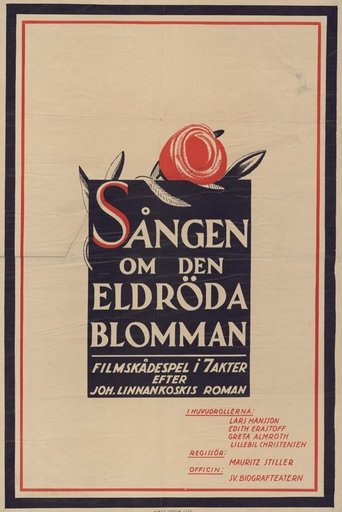
The 1919 film Song of the Scarlet Flower is the only title linked here for Louise Fahlman. This film was directed by renowned Swedish filmmaker Mauritz Stiller and was based on the popular novel by Johannes Linnankoski. Fahlman's career appears to have been extremely brief, spanning only the year 1919, which was not uncommon for many actors in early cinema who may have had only one or two film appearances. The film itself was significant in Swedish cinema history, being one of the major productions of the era and helping establish Sweden's reputation in international film during the silent period. Unfortunately, detailed information about Fahlman's life, career trajectory, or other potential work has been lost to time, which is common for many supporting actors from this period of film history. Her single known appearance places her within the context of the golden age of Swedish silent cinema, a period that produced many influential filmmakers and actors who would later impact Hollywood.
The Craft
Milestones
- Appeared in Mauritz Stiller's 'Song of the Scarlet Flower' (1919)
Best Known For
Iconic Roles
Must-See Films
Working Relationships
Worked Often With
Studios
Why They Matter
Impact on Culture
Louise Fahlman's cultural impact is primarily through her participation in 'Song of the Scarlet Flower,' a significant film in Swedish cinema history that helped establish Sweden's international reputation during the golden age of silent film. While her individual contribution was likely minor, she was part of a production that represented the artistic and technical achievements of early Swedish cinema, which would influence filmmakers worldwide. The film itself was remade multiple times and remains an important example of the literary adaptations that characterized Nordic cinema of this period.
Lasting Legacy
Louise Fahlman's legacy is that of a typical early cinema performer - a brief appearance in a significant film that has been preserved as part of film history. While she did not achieve lasting fame or recognition, her contribution to 'Song of the Scarlet Flower' represents the many anonymous or forgotten actors who helped build the foundation of cinema during its formative years. Her story illustrates how many early film performers have been lost to history despite participating in important works of cinematic art.
Who They Inspired
Due to the extremely limited scope of her known work, there is no documented evidence of Louise Fahlman influencing other actors or filmmakers. Like many performers from the silent era who had brief careers, her influence is limited to her participation in a historically significant film rather than any lasting impact on the craft of acting or cinema.
Off Screen
Very little is known about Louise Fahlman's personal life, which is typical for many actors from the early silent era who had brief careers. No information about her family background, marriages, or personal relationships has been preserved in historical records or film databases.
Did You Know?
- Appeared in only one known film during her entire career
- Participated in a major Swedish literary adaptation directed by Mauritz Stiller
- The film she appeared in was remade multiple times in different countries
- Her active years covered only the year 1919 during the golden age of Swedish silent cinema
- Like many early film actors, detailed biographical information has been lost to time
- The film she appeared in was based on one of Finland's most famous novels
- Mauritz Stiller, the director of her only known film, later mentored Greta Garbo
- Swedish cinema of this period was highly influential internationally
Frequently Asked Questions
Who was Louise Fahlman?
Screen credits include only one known film, 'Song of the Scarlet Flower' in 1919. She was part of the early Swedish cinema scene during its golden age but had a very brief career spanning just that single year.
What films is Louise Fahlman best known for?
Titles linked here include Song of the Scarlet Flower (1919).
When was Louise Fahlman born and when did she die?
Unfortunately, Louise Fahlman's birth and death dates are not known, which is common for many supporting actors from the silent era. We only know she was active as an actress in 1919 and was of Swedish nationality.
What awards did Louise Fahlman win?
There are no records of Louise Fahlman receiving any awards or nominations. During the silent film era, formal acting awards were not as established as they would become later in cinema history, and many performers from this period received no formal recognition.
What was Louise Fahlman's acting style?
Due to the extremely limited documentation of her work and the loss of many films from this period, Louise Fahlman's specific acting style cannot be determined. Like most silent film actors, she would have used exaggerated facial expressions and body language to convey emotions without dialogue.