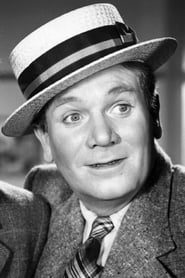
Nils Lundell
Actor
Born: December 23, 1889 in Stockholm, Sweden Died: July 10, 1943 Active: 1919-1928
Films
7 films

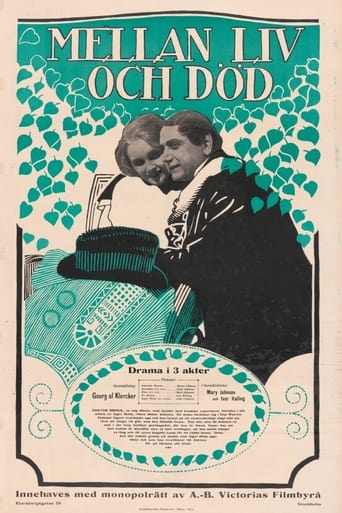
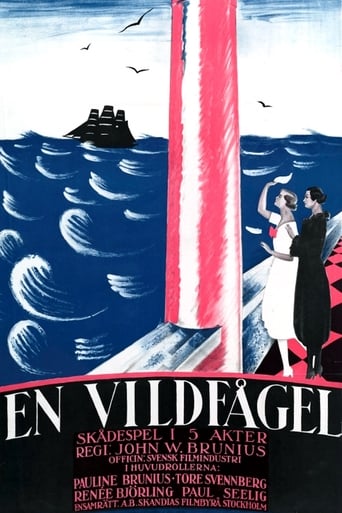
About Nils Lundell
prominent Swedish character actor during the golden age of Swedish silent cinema — known for his distinctive presence and versatility in supporting roles. Born in Stockholm in 1889, he began his acting career on the Swedish stage before transitioning to film as the medium gained popularity in the late 1910s. Lundell worked with some of Sweden's most celebrated directors, including Mauritz Stiller and Victor Sjöström, appearing in several of their most acclaimed productions. His film career, though relatively brief, spanned from 1919 to 1928, coinciding with the peak of Swedish cinema's international recognition. Lundell specialized in portraying complex character roles, often bringing depth and authenticity to both dramatic and lighter parts. After the transition to sound films, his screen appearances became less frequent, and he gradually returned to his theatrical roots. His contributions to Swedish cinema during its silent era helped establish the country's reputation for artistic excellence in filmmaking.
The Craft
On Screen
Lundell was known for his naturalistic and understated acting style, which contrasted with the more theatrical approach common in early cinema. He brought a sense of authenticity and emotional depth to his character roles, using subtle facial expressions and body language to convey complex emotions. His performances were marked by a quiet dignity and restraint that made him particularly effective in dramatic roles, while also showing versatility in lighter comedic parts.
Milestones
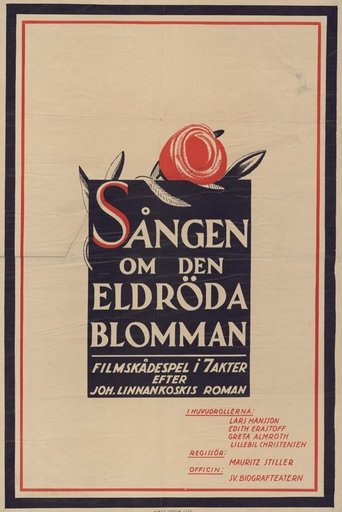
- Breakthrough role in Mauritz Stiller's Song of the Scarlet Flower (1919)
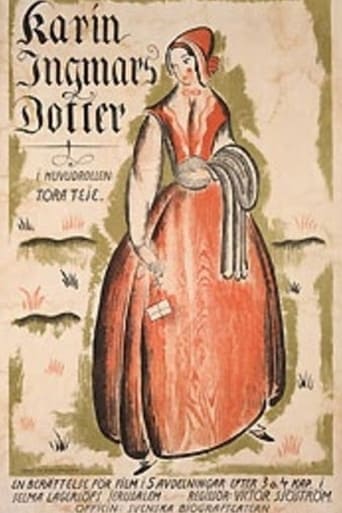
- Memorable performance in Karin, Daughter of Ingmar (1920)
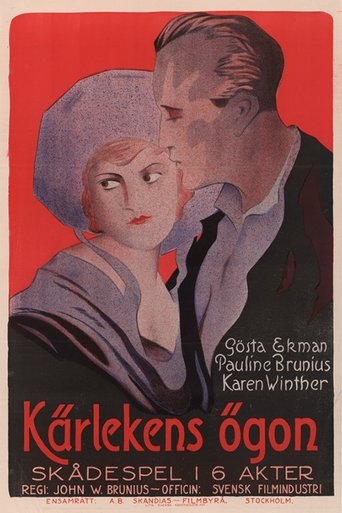
- Key supporting role in A Scarlet Angel (1922)
- Final major film appearance in Gustaf Wasa, Part One (1928)
- Worked with Swedish directors of the silent era
Best Known For
Iconic Roles
Must-See Films
Accolades
Special Recognition
- Recognized as a significant contributor to Sweden's golden age of silent cinema
Working Relationships
Worked Often With
Studios
Why They Matter
Impact on Culture
Nils Lundell contributed significantly to the international reputation of Swedish cinema during its golden age in the 1920s. His work in films by directors like Mauritz Stiller and Victor Sjöström helped establish Sweden as a major force in world cinema during the silent era. Lundell's naturalistic acting style influenced the development of more subtle, realistic performance techniques in European cinema, moving away from the exaggerated gestures common in early film acting.
Lasting Legacy
Lundell's legacy lies in his contribution to Sweden's cinematic golden age, a period when Swedish films were acclaimed worldwide for their artistic merit and technical innovation. Though not as internationally famous as some of his contemporaries, his supporting roles were crucial to the success of many classic Swedish silent films. His performances continue to be studied by film scholars interested in the development of realistic acting techniques in early cinema.
Who They Inspired
Lundell influenced subsequent generations of Swedish actors through his emphasis on naturalistic character portrayal. His work demonstrated how subtle, restrained performances could be powerful on screen, paving the way for more sophisticated acting techniques in sound cinema. Many Swedish character actors of the 1930s and 1940s cited his performances as examples of effective screen acting.
Off Screen
Nils Lundell led a relatively private life outside of his acting career. He was deeply committed to his craft and maintained connections with the Swedish theatrical community throughout his life. Despite his film success, he remained grounded in Stockholm's cultural scene and continued to value stage performance as his primary artistic medium.
Education
Trained at the Royal Dramatic Theatre's acting school in Stockholm
Family
- Anna-Lisa Lundell (married 1915-1943)
Did You Know?
- Appeared in four of the most significant Swedish silent films of the 1920s
- Worked with both Mauritz Stiller and Victor Sjöström, the two most acclaimed Swedish directors of the silent era
- His film career coincided exactly with the peak period of Swedish cinema's international recognition
- Transitioned back to stage acting as sound films began to dominate the industry
- Was part of the generation of Swedish actors who helped establish the country's reputation for artistic cinema
- His performance style was noted for its restraint compared to the more theatrical approach common in early cinema
- Appeared in films that were exported internationally and helped establish Swedish cinema's global reputation
- Worked during the same period as Greta Garbo before her move to Hollywood
In Their Own Words
The camera demands truth, not performance
In silence, the smallest gesture speaks volumes
Frequently Asked Questions
Who was Nils Lundell?
Swedish character with credits in this catalog. He was recognized for his naturalistic acting style and contributed to Sweden's golden age of cinema.
What films is Nils Lundell best known for?
Titles linked here include Song of the Scarlet Flower (1919), Karin, Daughter of Ingmar (1920).
When was Nils Lundell born and when did he die?
Born December 23, 1889; died July 10, 1943.
What awards did Nils Lundell win?
While Nils Lundell did not receive formal awards during his lifetime, he is recognized today as an important contributor to Sweden's golden age of silent cinema. His performances in classic Swedish films are studied by film historians and scholars.
What was Nils Lundell's acting style?
Lundell was known for his naturalistic and understated acting style, which was ahead of its time in the silent era. He favored subtle facial expressions and restrained gestures over the theatrical approach common in early cinema, bringing authenticity and emotional depth to his character roles.