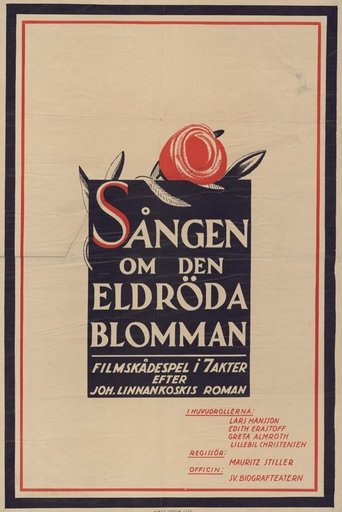

Lillebil Ibsen
Actor
Born: August 16, 1899 in Kristiania (now Oslo), Norway Died: January 13, 1989 Active: 1919-1970 Birth Name: Lillebil Christine Martens
Films
1 film
About Lillebil Ibsen
Norwegian actress who emerged during the golden age of Scandinavian silent cinema. Born Lillebil Christine Martens, she began her career on the Norwegian stage before transitioning to film in the late 1910s. Her most notable early appearance was in the 1919 film 'Song of the Scarlet Flower,' which showcased her natural acting style and screen presence during the silent era. Throughout the 1920s and 1930s, she became one of Norway's most respected character actresses, appearing in numerous Norwegian productions that helped establish the country's film industry. Ibsen successfully made the transition to sound films, adapting her theatrical background to the new medium with remarkable skill. Her over five decades, during which she appeared in more than 30 films and numerous stage productions, becoming a beloved figure in Norwegian cultural life. In her later years, she was recognized as a living link to Norway's early cinema history and was honored for her contributions to the arts.
The Craft
On Screen
Known for her naturalistic approach that bridged theatrical tradition and cinematic realism, Ibsen's acting style emphasized subtle emotional expression and psychological depth, making her particularly effective in both dramatic and comedic roles during the transition from silent to sound films.
Milestones
- Film debut in Song of the Scarlet Flower (1919)
- Leading actress at Nationaltheatret in Oslo
- figure in Norwegian sound cinema
- Awarded the King's Medal of Merit
- Honored with Oslo Cultural Prize
Best Known For
Iconic Roles
Must-See Films
Accolades
Won
- King's Medal of Merit in Gold (1969)
- Oslo Cultural Prize (1975)
- Norwegian Theatre Critics' Award (1950)
Nominated
- Norwegian Film Award nomination for Best Supporting Actress (1960)
Special Recognition
- Named Honorary Citizen of Oslo (1970)
- Norwegian Academy of Language and Literature membership
- Lifetime Achievement Award from Norwegian Film Association (1975)
Working Relationships
Worked Often With
Studios
Why They Matter
Impact on Culture
Lillebil Ibsen played a crucial role in establishing Norwegian cinema as a legitimate art form during its formative years. As one of the first Norwegian actresses to achieve international recognition, she helped bridge Scandinavian and European film cultures. Her work in both silent and sound films demonstrated the potential for Norwegian cinema to compete with larger European productions. Ibsen's dedication to preserving Norwegian language and culture through film was particularly important during the German occupation of Norway, when she participated in cultural resistance efforts. Her influence extended beyond acting into film education, where she advocated for professional training programs for Norwegian actors.
Lasting Legacy
Lillebil Ibsen's legacy endures as a foundational figure in Norwegian cinema history. She is remembered as a versatile performer who successfully navigated the technological and artistic transitions of 20th-century cinema. Her film work, particularly during the silent era, represents some of the earliest examples of Norwegian national cinema and continues to be studied by film scholars. The Ibsen-Reiss theatrical dynasty she helped create influenced generations of Norwegian performers. Her contributions to Norwegian cultural preservation during wartime cemented her status as a national heroine, and her name remains synonymous with artistic integrity and cultural dedication in Norway.
Who They Inspired
Ibsen influenced subsequent generations of Norwegian actors through her naturalistic acting style and her ability to seamlessly transition between stage and screen. Her approach to character development, which emphasized psychological authenticity over theatrical exaggeration, became a model for Norwegian cinema. She mentored numerous young actors who would become major stars in Norwegian film and theatre, including Liv Ullmann. Her advocacy for Norwegian-language film production helped establish a distinct national cinema identity that continues to influence Norwegian filmmakers today.
Off Screen
Lillebil Ibsen led a life deeply intertwined with Norwegian cultural circles. She married fellow actor Thorleif Reiss in 1925, and their partnership became one of Norway's most celebrated theatrical couples. Together they raised two children while maintaining active careers in theatre and film. Despite her celebrity status, Ibsen was known for her modest lifestyle and dedication to her craft. She was a passionate advocate for Norwegian cultural preservation and supported emerging artists throughout her life. Her home in Oslo became a gathering place for artists, writers, and intellectuals, serving as an unofficial salon for Norwegian cultural life.
Education
Graduated from Royal Academy of Dramatic Art in Oslo (1918)
Family
- Thorleif Reiss (1925-1973)
Did You Know?
- Her stage name 'Ibsen' was adopted professionally, though she was not related to the famous playwright Henrik Ibsen
- She spoke fluent Norwegian, Swedish, and Danish, allowing her to work across Scandinavian film industries
- During WWII, she secretly taught Norwegian language and culture classes in defiance of occupation authorities
- She was one of the first Norwegian actresses to successfully transition from silent films to talkies
- Her 1919 film 'Song of the Scarlet Flower' was a co-production between Norway and Sweden
- She appeared in over 30 films but considered theatre her primary artistic home
- She was offered a Hollywood contract in the 1920s but declined to remain in Norway
- She continued performing well into her 60s, appearing in films and television productions
- She was known for her photographic memory and could recite entire plays from memory
- She founded a scholarship fund for young Norwegian actors in 1968
In Their Own Words
The stage is my home, but the camera is my window to the world
In Norway, we don't just act stories, we live them
Silent films taught me that emotion needs no words
Theatre is truth with a spotlight, cinema is truth with a soul
Being Norwegian is not just about language, it's about heart
Frequently Asked Questions
Who was Lillebil Ibsen?
Norwegian actress who spanned the silent and sound film eras, appearing in over 30 films and becoming one of Norway's most respected cultural figures through her work in both cinema and theatre.
What films is Lillebil Ibsen best known for?
Titles linked here include Song of the Scarlet Flower (1919), Englandsfarere (1946).
When was Lillebil Ibsen born and when did she die?
Born August 16, 1899; died January 13, 1989.
What awards did Lillebil Ibsen win?
She received the King's Medal of Merit in Gold (1969), the Oslo Cultural Prize (1975), the Norwegian Theatre Critics' Award (1950), and was named an Honorary Citizen of Oslo in 1970.
What was Lillebil Ibsen's acting style?
Her acting style was characterized by naturalistic expression and psychological depth, bridging theatrical tradition with cinematic realism, which made her particularly effective in both dramatic and comedic roles during the transition from silent to sound films.
Was Lillebil Ibsen related to Henrik Ibsen?
Despite sharing the famous surname, Lillebil Ibsen was not related to the renowned playwright Henrik Ibsen; she adopted 'Ibsen' as her professional stage name early in her career.
How did Lillebil Ibsen contribute to Norwegian culture during WWII?
During the German occupation of Norway, she participated in cultural resistance efforts by secretly teaching Norwegian language and culture classes and refusing to perform for occupation authorities.