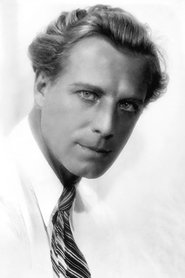
Lars Hanson
Actor
Born: July 26, 1886 in Stockholm, Sweden Died: April 8, 1965 Active: 1915-1952 Birth Name: Lars Mauritz Hanson
Films
12 films

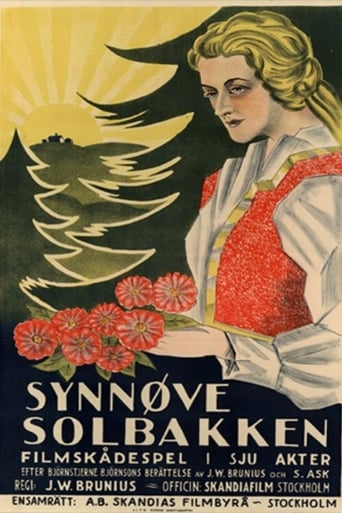
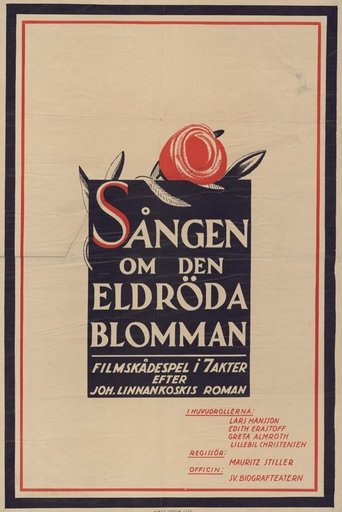
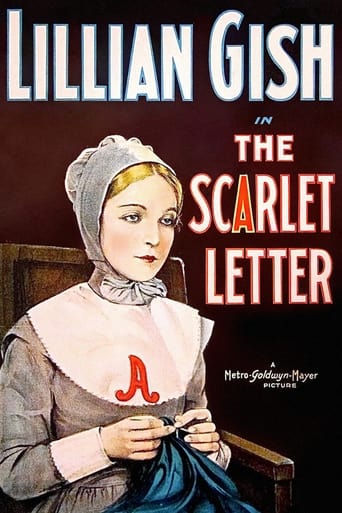

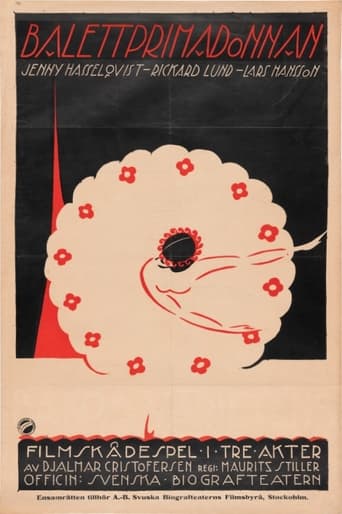
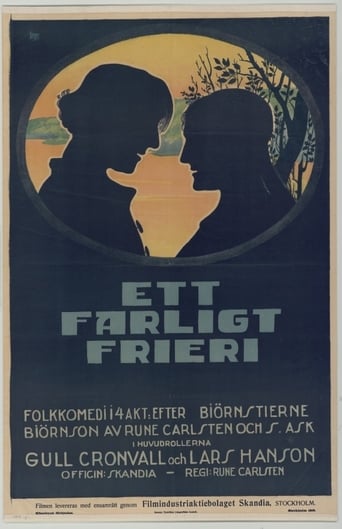
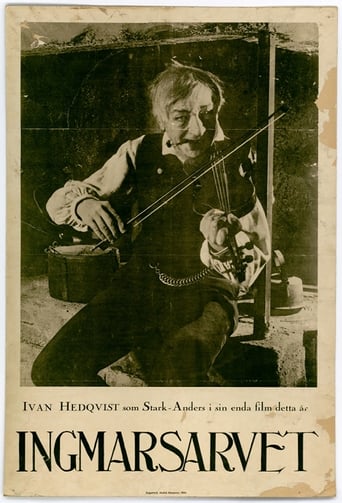
About Lars Hanson
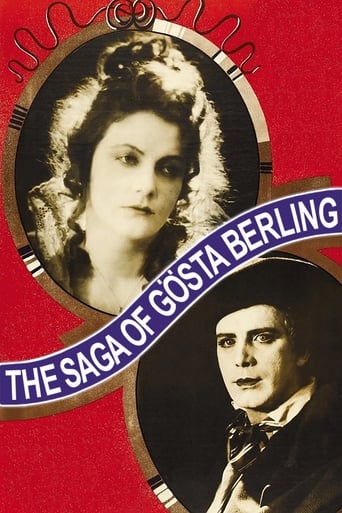
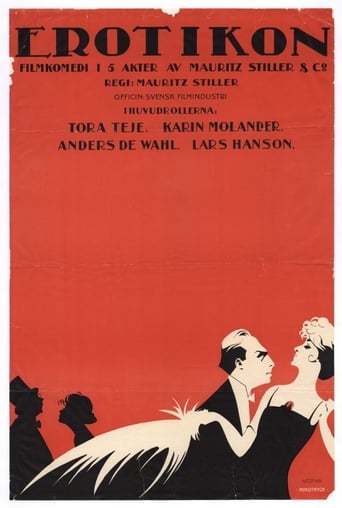
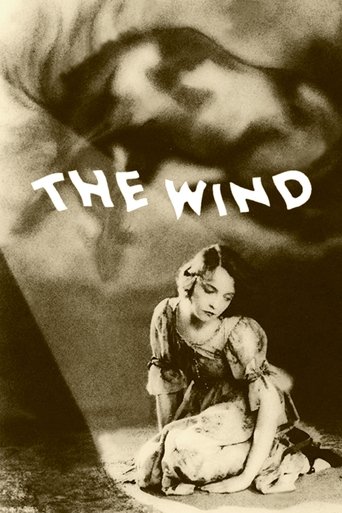
Lars Hanson was one of Sweden's most celebrated silent film actors, renowned for his intense and naturalistic acting style that revolutionized screen performance in the 1920s. Born in Stockholm in 1886, he began his career on the Swedish stage before transitioning to film, where he quickly became a leading man in Swedish cinema. His breakthrough came through his collaboration with director Mauritz Stiller, particularly in the epic 'The Saga of Gösta Berling' (1924), which also introduced Greta Garbo to international audiences. Hanson's compelling screen presence and subtle emotional depth caught the attention of Hollywood, leading to a brief but significant career in American cinema from 1926-1928. He starred in several notable Hollywood productions including 'The Wind' (1928) opposite Lillian Gish, demonstrating his ability to convey complex emotions without dialogue. After the advent of sound, Hanson returned to Sweden where he continued his career in theater and film until his retirement. His legacy endures as sophisticated actors of the silent era, bridging the gap between theatrical and naturalistic screen acting.
The Craft
On Screen
Hanson pioneered a naturalistic acting style that was revolutionary for the silent era, moving away from the exaggerated theatrical gestures common at the time. He employed subtle facial expressions, restrained body language, and intense emotional depth that made his performances feel authentic and modern. His ability to convey complex inner turmoil through minimal movement and nuanced expressions set him apart from his contemporaries and influenced the transition to more realistic screen acting.
Milestones
- Breakthrough role in Mauritz Stiller's films
- International success with 'The Saga of Gösta Berling' (1924)
- Hollywood contract with MGM (1926-1928)
- Critically acclaimed performance in 'The Wind' (1928)
- Return to Swedish theater and film career
- Influence on naturalistic acting style in silent cinema
Best Known For
Iconic Roles
Must-See Films
Accolades
Won
- Royal Order of Vasa (Sweden)
- Eugene O'Neill Award (Swedish theater recognition)
Nominated
- Academy Award consideration for Best Actor for 'The Wind' (1928)
Special Recognition
- Swedish Film Institute recognition for contributions to national cinema
- Stockholm theater district named in his honor
- Posthumous induction into Swedish Film Hall of Fame
Working Relationships
Worked Often With
Studios
Why They Matter
Impact on Culture
Lars Hanson significantly influenced the evolution of screen acting from theatrical to naturalistic styles, particularly in silent cinema. His work helped establish Swedish cinema as a serious artistic force on the international stage, paving the way for subsequent Swedish filmmakers and actors. Hanson's success in Hollywood demonstrated that European actors could achieve stardom in American cinema without sacrificing their artistic integrity. His performances in films like 'The Wind' pushed the boundaries of what was possible in silent film acting, influencing the transition to sound cinema and more nuanced performance styles.
Lasting Legacy
Hanson's legacy endures as. His collaboration with Mauritz Stiller and work with Greta Garbo represents a golden age of Swedish cinema that continues to be studied by film scholars. Hanson's ability to convey complex emotions through subtle means influenced generations of actors and contributed to the development of modern screen acting techniques. His career trajectory from Swedish theater to international stardom and back to his roots serves as a model of artistic integrity in the face of commercial pressures.
Who They Inspired
Hanson influenced the transition from theatrical to naturalistic acting in cinema, particularly in how actors could convey emotion through subtle expression rather than grand gestures. His work with directors like Mauritz Stiller helped establish a more intimate, psychological approach to filmmaking. Contemporary actors studying silent film performance often cite Hanson as an example of sophisticated screen acting that remains relevant to modern techniques. His success demonstrated the viability of European actors in Hollywood while maintaining their distinctive artistic approach.
Off Screen
Hanson led a relatively private personal life, maintaining a strong connection to his Swedish roots even during his Hollywood period. He was deeply committed to his craft and continued performing on stage throughout his film career. His marriage to actress Karin Molander was one of Swedish entertainment's most enduring partnerships, lasting over four decades until his death. Hanson was known for his intellectual pursuits and was well-read in literature and philosophy, which contributed to the depth of his performances.
Education
Royal Dramatic Theatre School (Dramaten), Stockholm
Family
- Karin Molander (1915-1965, his death)
Did You Know?
- Was one of the first Swedish actors to achieve international stardom
- Spoke fluent English, which was rare for European actors in silent films
- Turned down several Hollywood offers to return to Sweden
- His performance in 'The Wind' was considered too intense by some contemporary critics
- Maintained his stage career throughout his film career, unusual for the era
- Was offered a long-term Hollywood contract but chose to return to Sweden
- His naturalistic acting style was influenced by Russian theater techniques
- Worked with both Greta Garbo and Ingrid Bergman during their early careers
- Was considered for the lead in 'The Phantom of the Opera' (1925)
- His films were among the first Swedish productions to achieve international distribution
In Their Own Words
The camera sees everything, especially what you try to hide
Acting for the screen is not about showing, but about revealing
Silence in film is not absence of sound, but presence of meaning
The greatest challenge is not to speak, but to be understood without words
Frequently Asked Questions
Who was Lars Hanson?
Renowned Swedish He was known for his naturalistic acting style and starred in both Swedish and Hollywood productions, most notably 'The Saga of Gösta Berling' and 'The Wind'.
What films is Lars Hanson best known for?
Titles linked here include The Saga of Gösta Berling (1924), The Wind (1928).
When was Lars Hanson born and when did he die?
Born July 26, 1886; died April 8, 1965.
What awards did Lars Hanson win?
Hanson received the Royal Order of Vasa from Sweden and the Eugene O'Neill Award for his theater work. He was also considered for an Academy Award for his performance in 'The Wind' (1928), though formal nominations were not recorded in the early years of the Oscars.
What was Lars Hanson's acting style?
Hanson pioneered a naturalistic acting style that moved away from the exaggerated gestures common in silent films. He used subtle facial expressions, restrained body language, and intense emotional depth to convey complex characters, making his performances feel authentic and modern for his time.
Did Lars Hanson work in Hollywood?
Yes, Hanson had a brief but significant Hollywood career from 1926-1928 under contract with MGM. He starred in several American films including 'The Wind' (1928) with Lillian Gish before returning to Sweden to continue his theater and film career.
What was Lars Hanson's relationship with Greta Garbo?
Hanson co-starred with Greta Garbo in 'The Saga of Gösta Berling' (1924), which was the film that launched her international career. Both were Swedish actors who achieved Hollywood success, though Hanson's time in America was shorter than Garbo's.