Lauritz Falk
Actor
- Born
- March 5, 1902, Stockholm, Sweden
- Died
- February 14, 1978
- Active
- 1923-1970s
Films 1
About Lauritz Falk
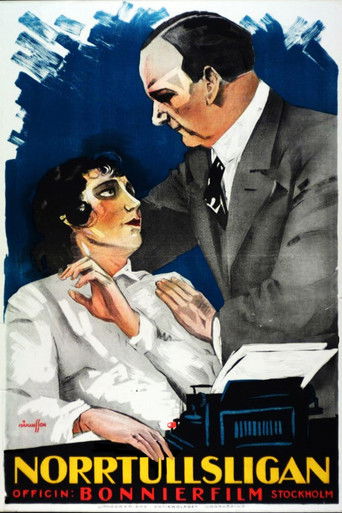
Lauritz Falk was a Swedish-born actor, singer, director, and author whose career stretched from the silent era into the postwar decades, making him one of the more durable Scandinavian screen figures of his generation. Born in Stockholm, he entered film very early and is often associated with the silent classic "The Norrtull Gang" (1923), one of the landmark youth and social-dramatic films of early Swedish cinema. Over time, Falk worked not only as a screen performer but also on stage and in other creative capacities, which gave him a versatile presence in Nordic entertainment culture rather than a narrowly defined film career. His screen persona was typically refined, intelligent, and lightly urbane, suited to both dramatic and more cultivated roles, and he remained active across several decades of changing cinematic styles. Although he was never a globally famous star on the scale of the biggest international names, he became a familiar and respected figure in Scandinavian film history. His longevity in the business allowed him to bridge silent cinema, sound cinema, and later television-era performance traditions. He is remembered today as part of the generation that helped establish Swedish film performance as sophisticated, literary, and emotionally restrained.
More about Lauritz Falk
On screen
Lauritz Falk was known for a restrained, polished, and intelligent style of performance that fit the refined tone of much early Swedish cinema. In silent film, he would have relied on clear physical expressiveness and elegant screen composure rather than broad melodrama, a quality that aligned well with Scandinavian realism and subtle emotional shading. His later work benefited from his cultured manner, diction, and musical background, giving him an urbane presence that could suggest sophistication, irony, or quiet authority. He was the kind of performer whose strength lay in poise and nuance rather than flamboyant showmanship.
In film history
Lauritz Falk contributed to the development of Swedish screen performance during a formative period when the nation’s cinema was gaining international prestige. His early participation in "The Norrtull Gang" places him within the silent-era movement that established Swedish film as emotionally intelligent, socially observant, and visually elegant. Because he also worked as a singer and author, he represented a multi-talented cultural type that was especially important in smaller national cinemas, where performers often moved fluidly among stage, film, and radio. His career is significant less for a single iconic international persona than for the continuity it offers across major changes in Scandinavian audiovisual culture. In that sense, he helped embody the durability and adaptability of Nordic performing arts across the 20th century.
Later reputation
Falk’s lasting legacy lies in his place among the dependable and versatile artists who sustained Swedish cinema from the silent period onward. While not among the most internationally famous names of early Swedish film, he remains important to historians because his career illustrates how Scandinavian film culture developed through performers who could cross between media and maintain artistic credibility over long periods. His association with "The Norrtull Gang" ensures his continued mention in discussions of classic Swedish cinema, particularly those focused on youth drama and the social realism of the period. For modern researchers and cinephiles, he stands as an example of the cultivated, multi-disciplinary performer who helped define the tone of Nordic screen acting.
Influence
Lauritz Falk influenced later Scandinavian performers more by example than by direct celebrity. His style suggested that film acting could be elegant, understated, and intellectually alert without losing emotional clarity, a quality that remained influential in Nordic acting traditions. His ability to sustain a career across film, theater, and music also modeled the versatility that became common among regional performers. As part of the early Swedish cinema ecosystem, he helped normalize a sophisticated performance culture that later actors and directors would inherit.
Off screen
Lauritz Falk came from Stockholm and lived much of his life within the Swedish cultural sphere, where he worked not only in film but also in theater and music. He is known to have been active as a singer and writer as well as an actor, suggesting a broad artistic life rather than a narrowly film-centered one. Publicly documented details about his private family life are comparatively limited in common film reference sources, so a full account of marriages or children is not consistently available. What is clear is that he belonged to the generation of Scandinavian artists whose careers were shaped by the close interaction between theater, film, and literary culture.
Education
Specific formal education is not widely documented in standard film references available for him; he is generally described through his professional training and artistic career rather than through named academic institutions.
Credits
- Appeared in the silent-era Swedish classic "The Norrtull Gang" (1923), one of his best-known early screen credits
- Built a long career in Scandinavian film and stage work, remaining active across the transition from silent films to sound cinema
- Established himself as a cultured and versatile performer, working as both actor and singer in Swedish entertainment
- Contributed to Nordic screen culture as part of the generation that shaped early Swedish film performance style
- Extended his creative activity beyond acting into directing and writing, reflecting a broad artistic profile
Roles
- Young man in "The Norrtull Gang"
- Refined urban gentleman roles in Swedish and Scandinavian dramas
- Stage and screen character roles that emphasized wit, composure, and cultured presence
Films
- The Norrtull Gang (1923)
- Other Scandinavian stage-to-screen and character dramas from the sound era
Collaborators
- Swedish theater and film artists of the 1920s through mid-century
- Filmmakers and performers associated with early Swedish cinema
Studios
- Swedish film production companies active in the silent and early sound era
- Scandinavian stage and production circles
Notes
- He was born in Stockholm, making him a native of the Swedish capital and a product of its artistic environment.
- He is associated with "The Norrtull Gang" (1923), a notable silent-era Swedish film.
- He was not only an actor but also a singer, director, and author, reflecting unusually broad artistic interests.
- His career spanned multiple eras of film history, from silent cinema into the sound era and beyond.
- He is remembered primarily in Scandinavian film history rather than as an international Hollywood star.
- His screen image was typically urbane and polished, fitting the tone of many Swedish dramas.
- Because many of his performances were in Swedish-language productions, his reputation is especially strong in Nordic film archives and reference works.
Questions
Who was Lauritz Falk?
Lauritz Falk was a Swedish actor, singer, director, and author whose career began in the silent era and continued for many decades. He is especially remembered for appearing in the 1923 film "The Norrtull Gang," an important early Swedish cinema title. His work made him a respected figure in Scandinavian performing arts.
What films is Lauritz Falk best known for?
He is best known for "The Norrtull Gang" (1923), his notable silent-era screen credit. Beyond that, he is remembered for a broader body of Scandinavian stage and screen work rather than a small handful of globally famous films. His career is often discussed in the context of Swedish cinema history.
When was Lauritz Falk born and when did he die?
Lauritz Falk was born on March 5, 1902, in Stockholm, Sweden. He died on February 14, 1978. His long life allowed him to work across several key phases of 20th-century Scandinavian entertainment.
What awards did Lauritz Falk win?
No major awards or nominations are consistently documented in the standard references commonly used for his biography. His reputation rests more on his long artistic career and cultural presence than on formal prize recognition. If additional local honors existed, they are not widely recorded in readily available film databases.
What was Lauritz Falk's acting style?
His acting style was typically restrained, polished, and intelligent, which suited the elegant and often emotionally subtle tone of Swedish cinema. In silent film, that would have translated into clear physical expressiveness without excessive melodrama. His later work benefited from an urbane presence that could convey refinement and quiet authority.
What was Lauritz Falk's legacy in film history?
Lauritz Falk’s legacy is tied to the development of Swedish and Scandinavian screen culture across the silent and sound eras. He represents the versatile, multi-talented performer who could move among film, theater, singing, and writing. His association with early classic Swedish cinema keeps him in the historical record of Nordic film.