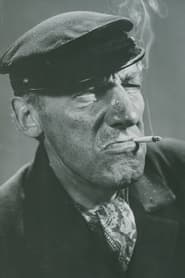
Emil Fjellström
Actor
Born: October 13, 1882 in Umeå, Sweden Died: July 4, 1944 Active: 1917-1938
Films
5 films
About Emil Fjellström
Prominent Swedish actor during the golden age of Swedish silent cinema, best known for his collaborations with director Victor Sjöström. Born in 1882 in Sweden, Fjellström began his acting career on the stage before transitioning to film during the burgeoning era of Swedish cinema. His most significant work came between 1917 and 1920, when he appeared in several of Sjöström's masterpieces that would later be recognized as classics of world cinema. Fjellström often played supporting roles but brought remarkable depth and authenticity to his characters, contributing to the psychological realism that characterized Swedish silent films. His performances in films like 'A Man There Was' and 'The Outlaw and His Wife' showcased his ability to convey complex emotions through the subtle techniques required by silent film acting. After the peak of Swedish cinema's international recognition in the early 1920s, Fjellström's film appearances became less frequent as the industry evolved. He continued acting in smaller roles throughout the 1920s and 1930s, bridging the transition from silent to sound films, though he never regained the prominence he enjoyed during his peak years. Fjellström passed away in 1944, leaving behind a legacy as part of the remarkable ensemble that helped establish Sweden as a major force in early cinema.
The Craft
On Screen
Fjellström was known for his naturalistic and understated acting style, which was characteristic of the Swedish school of silent film acting. He employed subtle facial expressions and controlled body movements to convey complex emotions, avoiding the exaggerated gestures common in many silent film performances of the era. His approach emphasized psychological realism and internal emotional states, which aligned perfectly with Victor Sjöström's directorial vision. Fjellström had a particular talent for portraying ordinary people with dignity and depth, bringing authenticity to even the smallest supporting roles. His ability to suggest inner turmoil and moral conflict through minimal means made him particularly effective in the dramatic, often melancholic narratives of Swedish silent cinema.
Milestones
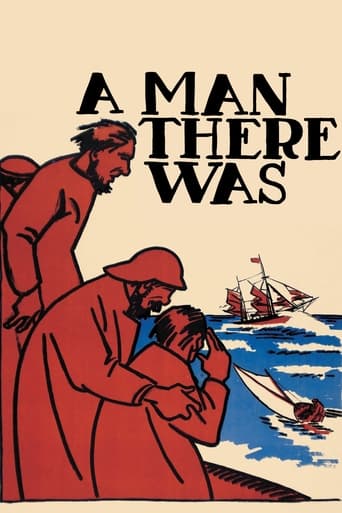
- Breakthrough role in Victor Sjöström's 'A Man There Was' (1917)
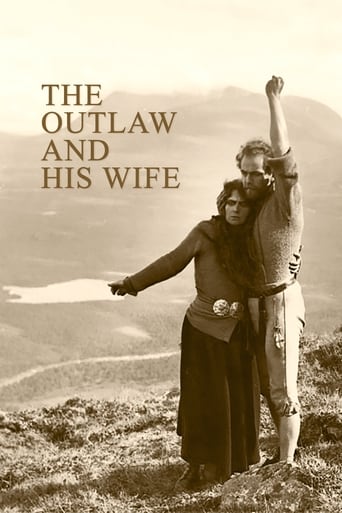
- Critical acclaim for performance in 'The Outlaw and His Wife' (1918)
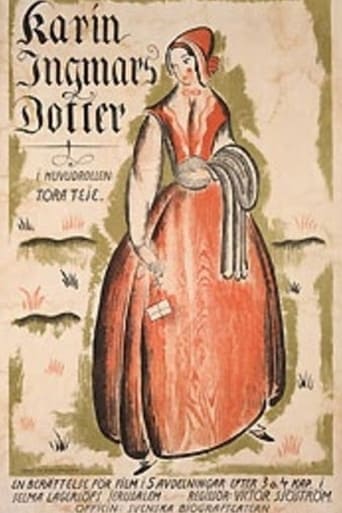
- Key supporting role in 'Karin, Daughter of Ingmar' (1920)
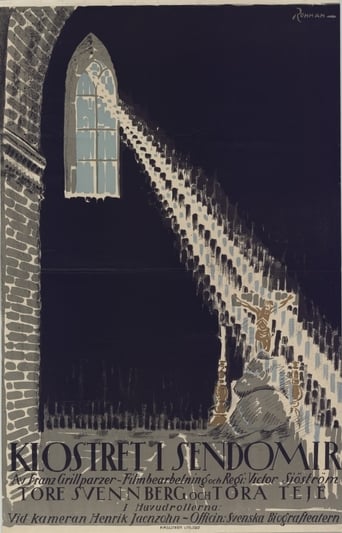
- Appeared in 'The Monastery of Sendomir' (1920)
- Successful transition from stage to film during Swedish cinema's golden age
- Part of the ensemble that established Sweden's international reputation in silent cinema
Best Known For
Iconic Roles
Must-See Films
Accolades
Special Recognition
- Recognized as part of Sweden's golden age of cinema
- Contributor to Swedish film heritage through preservation of classic films
Working Relationships
Worked Often With
Studios
Why They Matter
Impact on Culture
Emil Fjellström contributed to the establishment of Sweden as a major force in international cinema during the silent era. His work in Victor Sjöström's films helped demonstrate that Swedish cinema could compete with the best productions from Hollywood and Europe, influencing international perceptions of Scandinavian filmmaking. The films he appeared in were part of a distinctive Swedish school of cinema that emphasized natural landscapes, psychological depth, and moral complexity. These characteristics would later influence filmmakers around the world, including German Expressionist directors and Hollywood auteurs. Fjellström's performances, while often in supporting roles, contributed to the ensemble quality that made Swedish silent films so distinctive. His work represents an important chapter in the globalization of cinema, showing how national film industries could achieve international recognition through artistic excellence rather than commercial scale.
Lasting Legacy
Emil Fjellström's legacy is preserved through his contributions to some of the most important Swedish silent films that continue to be studied and admired by film historians and enthusiasts. The films he appeared in, particularly those directed by Victor Sjöström, are regularly screened at film festivals and cinematheques as examples of silent cinema at its artistic peak. His performances serve as examples of the naturalistic acting style that Swedish cinema from the more theatrical approaches common in other national cinemas of the period. Fjellström is remembered as part of the remarkable generation of Swedish actors who helped establish their country's reputation for cinematic excellence during World War I and the immediate post-war period. His work continues to be referenced in academic studies of silent film and Scandinavian cinema, contributing to our understanding of how national film styles developed and influenced each other during cinema's formative decades.
Who They Inspired
While Emil Fjellström was not a major star who directly mentored subsequent generations of actors, his work contributed to the development of a naturalistic acting style in Swedish cinema that would influence later performers. The subtlety and psychological depth of his performances in Sjöström's films helped demonstrate the possibilities of nuanced acting in silent cinema, challenging the more exaggerated approaches common in other national cinemas. His collaborations with Victor Sjöström were part of a creative partnership that established standards for ensemble acting in Swedish films that would influence subsequent generations of Scandinavian actors. The films he appeared in continue to be studied by actors and directors interested in the techniques of silent film performance, making his work indirectly influential to contemporary performers studying classical acting techniques.
Off Screen
Emil Fjellström was born in Umeå, northern Sweden, and developed an interest in performing arts from an early age. Before entering films, he established himself as a stage actor in Swedish theaters, which provided him with the foundation for his later film work. His personal life remained relatively private, with limited public information available about his family relationships or private affairs. Fjellström was part of a generation of Swedish actors who successfully transitioned from theatrical traditions to the new medium of cinema. He witnessed and contributed to Sweden's brief but remarkable period as a leading force in international film production during World War I. His later years saw him continue acting in smaller roles as the Swedish film industry evolved and sound cinema took over from silent films.
Education
Likely theatrical training through stage experience in Swedish theaters before film career
Family
- Unknown - limited public records available
Did You Know?
- Appeared in four consecutive Victor Sjöström films during Swedish cinema's golden age (1917-1920)
- Part of the ensemble that helped establish Sweden's international reputation during World War I when European film production was disrupted
- His film 'The Outlaw and His Wife' was so successful internationally that it was remade in Hollywood in 1921
- Worked during a period when Swedish films were known for their use of natural locations and psychological depth
- The films he appeared in were among the first Swedish films to achieve major international distribution and critical acclaim
- His active years covered the transition from the dominance of stage acting to the rise of cinema as the primary dramatic art form
- Appeared in 'Karin, Daughter of Ingmar,' which was part of a series of films adapted from the works of Swedish author Selma Lagerlöf
- The Monastery of Sendomir (1920) was one of the last major Swedish silent films to achieve international success before the industry's decline
- His work coincided with what many film historians consider the peak of Swedish silent cinema's artistic achievement
- The films he appeared in were preserved and restored by the Swedish Film Institute, ensuring their continued availability for study and appreciation
In Their Own Words
Limited documentation of personal quotes available - silent era actors rarely left behind extensive written records of their thoughts on acting
Frequently Asked Questions
Who was Emil Fjellström?
Swedish with credits in this catalog. He is best known for his collaborations with director Victor Sjöström, appearing in several of the most important Swedish films of the silent era, including 'A Man There Was' (1917) and 'The Outlaw and His Wife' (1918).
What films is Emil Fjellström best known for?
Titles linked here include A Man There Was (1917), The Outlaw and His Wife (1918).
When was Emil Fjellström born and when did he die?
Born October 13, 1882; died July 4, 1944.
What awards did Emil Fjellström win?
There are no documented major awards or nominations for Emil Fjellström, which was common for actors of his era, particularly those working in supporting roles. However, his films have received posthumous recognition as classics of world cinema, and he is honored as part of Sweden's important contribution to early film art.
What was Emil Fjellström's acting style?
Fjellström was known for his naturalistic and understated acting style, which was characteristic of the Swedish school of silent film acting. He avoided the exaggerated gestures common in many silent films, instead using subtle facial expressions and controlled movements to convey complex emotions. This approach emphasized psychological realism and contributed to the distinctive quality of Swedish silent cinema.
How did Emil Fjellström contribute to Swedish cinema?
Fjellström was part of the remarkable ensemble that helped establish Sweden as a major force in international cinema during World War I. His performances in Victor Sjöström's films contributed to the psychological depth and artistic quality that Swedish cinema from other national film industries of the period. These films achieved international acclaim and helped establish Sweden's reputation for cinematic excellence.
Did Emil Fjellström work with other famous directors?
While Fjellström worked primarily with Victor Sjöström, who was. However, his most significant and well-documented collaborations were with Sjöström, whose films are now considered masterpieces of early cinema.
What happened to Emil Fjellström's career after 1920?
After his peak period between 1917-1920, Fjellström's film appearances became less frequent as the Swedish film industry evolved and faced increased international competition. He continued acting in smaller roles through the 1920s and 1930s, including some early sound films, but never regained the prominence he enjoyed during Swedish cinema's golden age. His career reflects the broader trajectory of Swedish cinema from international dominance to a more nationally-focused industry.