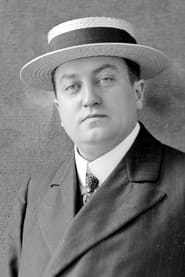
Nils Aréhn
Actor
Born: December 30, 1871 in Stockholm, Sweden Died: November 10, 1926 Active: 1918-1921 Birth Name: Nils Johan Aréhn
Films
5 films
About Nils Aréhn
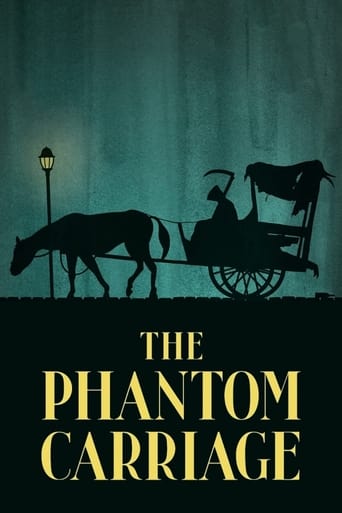
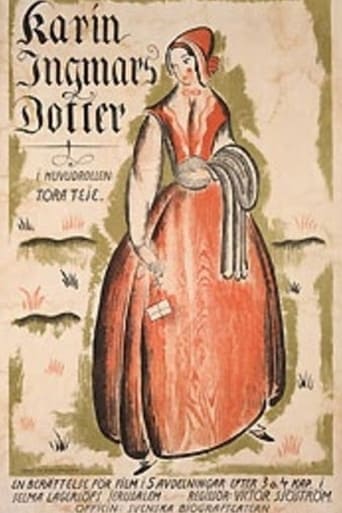
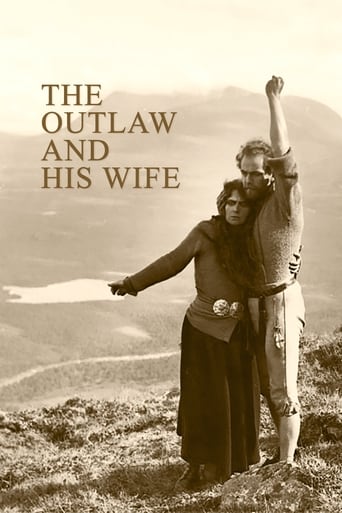
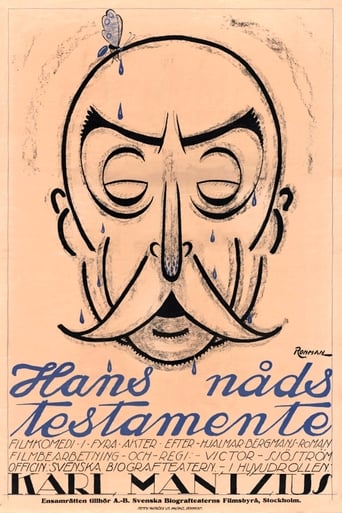
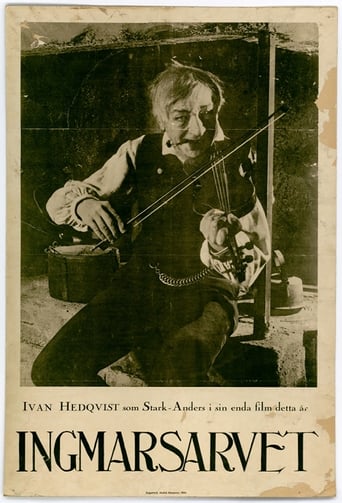
Prominent Swedish actor during the golden age of Swedish silent cinema, particularly active in the late 1910s and early 1920s. He gained recognition for his collaborations with Swedish director Victor Sjöström, appearing in several of the director's most celebrated works. Aréhn's most notable performance came in 'The Phantom Carriage' (1921), considered one of the masterpieces of silent cinema, where he played a significant supporting role alongside Victor Sjöström himself. Throughout his brief but impactful film career, Aréhn demonstrated remarkable versatility in portraying complex characters that embodied the psychological depth characteristic of Swedish cinema of this era. His work in films like 'The Outlaw and His Wife' (1918), 'His Lord's Will' (1919), and 'Karin, Daughter of Ingmar' (1920) established him as a reliable character actor capable of delivering nuanced performances. Though his film career was relatively short-lived, spanning roughly from 1918 to 1921, Aréhn's contributions to Swedish cinema during this pivotal period have been recognized by film historians as part of the foundation that made Swedish cinema internationally respected. After his film career ended, Aréhn largely returned to stage work, which had been his primary artistic medium before and after his brief but memorable film tenure.
The Craft
On Screen
Aréhn's acting style was characteristic of the mature Swedish silent cinema era, emphasizing psychological depth and naturalistic expression over exaggerated melodrama. He possessed a remarkable ability to convey complex emotions through subtle facial expressions and body language, which was particularly suited to the introspective and spiritually themed films of Swedish directors like Victor Sjöström. His performances often embodied the stoic, melancholic Nordic temperament that became synonymous with Swedish cinema's international reputation during the silent era.
Milestones
- Breakthrough role in 'The Outlaw and His Wife' (1918)
- Memorable performance in 'His Lord's Will' (1919)
- Significant supporting role in 'Karin, Daughter of Ingmar' (1920)
- Landmark performance in 'The Phantom Carriage' (1921)
- Collaboration with director Victor Sjöström
Best Known For
Iconic Roles
Must-See Films
Accolades
Special Recognition
- Recognized as part of Swedish cinema's golden age by film historians
Working Relationships
Worked Often With
Studios
Why They Matter
Impact on Culture
Nils Aréhn contributed to what is now considered the golden age of Swedish cinema, a period when Swedish films gained international recognition for their artistic merit and psychological depth. His work in 'The Phantom Carriage' particularly helped establish the film as a masterpiece that influenced directors worldwide, including Ingmar Bergman, who cited the film as a major influence on his own work. Aréhn's performances exemplified the naturalistic acting style that Swedish cinema from the more melodramatic styles common in other national cinemas of the era.
Lasting Legacy
Though his film career was brief, Nils Aréhn's legacy endures through his contributions to some of the most important films in Swedish cinema history. His work in 'The Phantom Carriage' remains part of a film that continues to be studied and admired by filmmakers and scholars worldwide. Aréhn represents the generation of Swedish stage actors who successfully transitioned to cinema during its formative years, helping establish a tradition of serious, psychologically nuanced acting in Swedish film that would influence generations of performers.
Who They Inspired
Aréhn's naturalistic acting style, as demonstrated in his film work, contributed to the development of a distinctly Swedish approach to film acting that emphasized psychological realism over theatrical exaggeration. This approach would later influence Swedish actors throughout the 20th century, particularly those working with directors like Ingmar Bergman. His collaborations with Victor Sjöström helped establish a model of director-actor partnerships that became characteristic of Swedish cinema's most productive periods.
Off Screen
Nils Aréhn was primarily a stage actor who had a career in Swedish theater before and after his brief but significant foray into cinema. He was married to actress Anna-Lisa Aréhn, with whom he often performed on stage. The couple had one child together. Aréhn was known among his theatrical colleagues as a dedicated and serious actor who took his craft with utmost seriousness. His transition to film was relatively brief, and he returned to the theater after his film career ended, where he continued to perform until his death in 1926.
Education
Trained in classical theater and acting techniques common in late 19th century Sweden
Family
- Anna-Lisa Aréhn (approximately 1900-1926)
Did You Know?
- Despite his memorable film performances, Aréhn was primarily known as a stage actor in Sweden during his lifetime
- His role in 'The Phantom Carriage' came near the end of his brief film career
- Aréhn was 47 years old when he made his first film, relatively old for a film debut even in that era
- He worked with both Victor Sjöström and Mauritz Stiller, the two most prominent Swedish directors of the silent era
- His death in 1926 meant he did not live to see the transition to sound films in Sweden
- The Phantom Carriage was his final film appearance
- Aréhn's theater active years covered over three decades, though his film work was concentrated in just four years
- He was part of the ensemble that established Sweden's international reputation for cinematic excellence in the early 1920s
- His birth name Nils Johan Aréhn was sometimes shortened to Nils Aréhn in film credits
- Despite his contributions to classic Swedish cinema, relatively little personal documentation about Aréhn survives today
In Their Own Words
(No widely documented quotes from Nils Aréhn are available in historical records, as was common for character actors of the silent era)
Frequently Asked Questions
Who was Nils Aréhn?
Swedish actor best known for his work in silent films during the golden age of Swedish cinema, particularly his collaborations with on YTB.my. Though primarily a stage actor, he appeared in several landmark films including 'The Phantom Carriage' (1921), which is considered one of the masterpieces of silent cinema.
What films is Nils Aréhn best known for?
Titles linked here include The Phantom Carriage (1921), The Outlaw and His Wife (1918).
When was Nils Aréhn born and when did he die?
Born December 30, 1871; died November 10, 1926.
What awards did Nils Aréhn win?
During his lifetime, Nils Aréhn did not receive major formal awards, as the award systems for cinema were not yet established in Sweden during his active period. However, his contributions to Swedish cinema have been recognized posthumously by film historians as part of the important artistic movement in early Swedish film.
What was Nils Aréhn's acting style?
Aréhn's acting style was characterized by naturalistic expression and psychological depth, typical of mature Swedish silent cinema. He favored subtle, nuanced performances over the exaggerated melodrama common in other national cinemas of the era, embodying the introspective and spiritually themed approach that made Swedish films internationally respected.