
Bror Berger
Actor
Born: February 11, 1874 in Stockholm, Sweden Died: December 31, 1948 Active: 1919-1920
Films
3 films
About Bror Berger
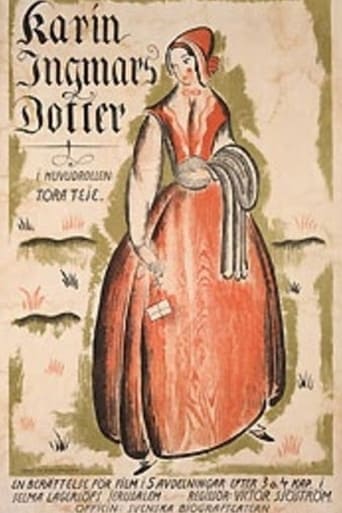
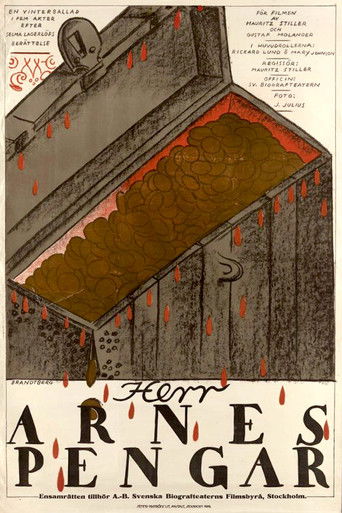
Swedish actor who emerged during the golden age of Swedish silent cinema, transitioning from a successful stage career to film during the late 1910s. Born in Stockholm in 1874, Berger began his artistic career in the theater before being drawn to the burgeoning film industry that was making Sweden an international cinematic powerhouse. His brief but significant film career coincided with what many consider the peak of Swedish silent film production, working with the country's two most celebrated directors, Mauritz Stiller and Victor Sjöström. Berger appeared in two of the most important Swedish films of the era: 'Sir Arne's Treasure' (1919) and 'Karin, Daughter of Ingmar' (1920), both of which showcased the artistic maturity and international appeal of Swedish cinema. Though his film roles were relatively few, they were significant contributions to films that helped establish Sweden's reputation for sophisticated, atmospheric storytelling. After his brief film career, Berger likely returned to his theatrical roots, as was common for many stage actors of his generation. His work represents an important link between Swedish theatrical tradition and the country's remarkable early film achievements.
The Craft
On Screen
As a product of the theatrical tradition, Berger likely employed the dramatic, expressive style common in silent cinema, using exaggerated gestures and facial expressions to convey emotion in the absence of dialogue. His stage background would have provided him with the technical skills needed for the heightened performance style required in early film, where actors had to communicate complex emotions through physical means alone.
Milestones
- Stage acting career in Stockholm theaters
- Transition to silent film during Swedish cinema's golden age
- Collaboration with director Mauritz Stiller on 'Sir Arne's Treasure'
- Work with Victor Sjöström on 'Karin, Daughter of Ingmar'
- Participation in two of Sweden's most acclaimed silent films
Best Known For
Iconic Roles
Must-See Films
Accolades
Special Recognition
- Recognition as contributor to Swedish silent cinema's golden age
Working Relationships
Worked Often With
Studios
Why They Matter
Impact on Culture
Bror Berger contributed to what many film historians consider the golden age of Swedish cinema (1917-1924), a period when Swedish films achieved remarkable international success and critical acclaim. His work in 'Sir Arne's Treasure' and 'Karin, Daughter of Ingmar' placed him among the actors who helped establish Sweden's reputation for sophisticated, psychologically complex cinema that influenced filmmakers worldwide. These films, with their atmospheric storytelling and visual poetry, were instrumental in proving that cinema could be a serious art form, and Berger was part of this artistic revolution.
Lasting Legacy
While not as widely remembered as some of his contemporaries, Berger's legacy is preserved through his participation in two landmark films of Swedish cinema. 'Sir Arne's Treasure' and 'Karin, Daughter of Ingmar' remain important examples of silent film artistry, regularly studied by film scholars and screened at classic film festivals. His work represents the bridge between Sweden's rich theatrical tradition and its groundbreaking early cinema, contributing to the foundation that would later influence generations of Swedish filmmakers, including Ingmar Bergman.
Who They Inspired
As an actor from the transitional period between theater and cinema, Berger was part of the generation that helped establish acting techniques specific to film. His work with directors Stiller and Sjöström contributed to the development of a uniquely Swedish cinematic style that emphasized psychological depth and visual atmosphere over melodrama, influencing subsequent generations of Nordic filmmakers and actors.
Off Screen
Limited information is available about Berger's personal life, but as a Stockholm-born actor active in the early 20th century, he was likely deeply connected to Sweden's theatrical and cultural circles. His active years covered a transformative period in Swedish arts, from the dominance of traditional theater to the emergence of cinema as a serious artistic medium.
Education
Likely received theatrical training in Stockholm, though specific educational details are not documented in available sources
Did You Know?
- Born during the early days of cinema's development
- His film career coincided with what many consider the peak of Swedish silent film
- Worked with both of Sweden's most important early film directors
- Appeared in two films that are now considered classics of world cinema
- His brief film career was typical of many stage actors who dabbled in early cinema
- Lived to see the transition from silent films to sound and beyond
- Died in his hometown of Stockholm at age 74
- Participated in films that helped establish Sweden's international cinematic reputation
- His active years covered the period when Swedish cinema was considered among the world's finest
Frequently Asked Questions
Who was Bror Berger?
Screen credits include two of Sweden's most significant early films. He transitioned from stage acting to film during the golden age of Swedish cinema, working with renowned directors Mauritz Stiller and Victor Sjöström.
What films is Bror Berger best known for?
Titles linked here include Sir Arne's Treasure (1919), Karin, Daughter of Ingmar (1920).
When was Bror Berger born and when did he die?
Born February 11, 1874; died December 31, 1948.
What awards did Bror Berger win?
There are no documented awards or nominations for Bror Berger, as he worked during an era before many formal film award systems were established. However, his participation in critically acclaimed films has earned him recognition as a contributor to Swedish cinema's golden age.
What was Bror Berger's acting style?
Berger likely employed the dramatic, expressive style typical of silent film actors who came from theatrical backgrounds. His performances would have emphasized physical expression and gesture to convey emotion, techniques essential for communicating character and story in the absence of spoken dialogue.