Films
5 films

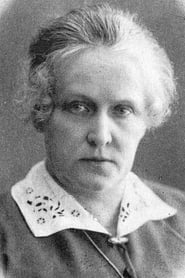
About Concordia Selander
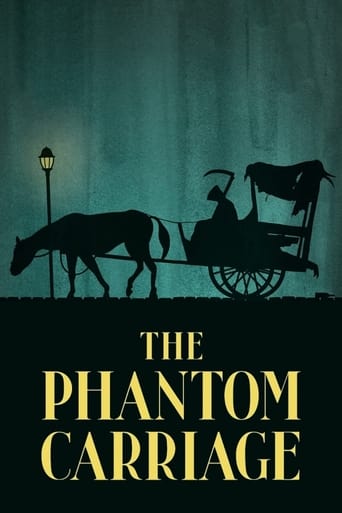
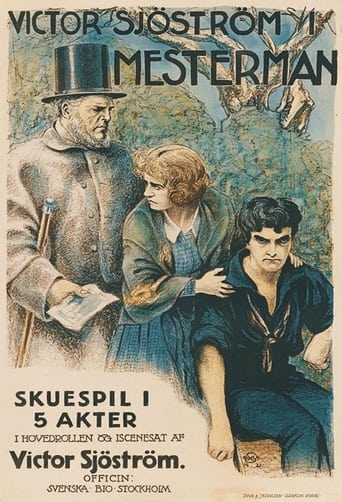
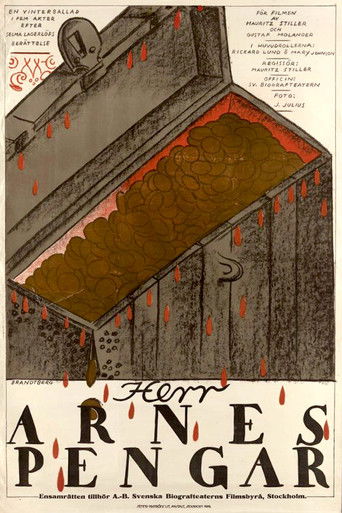
Swedish stage and film actress: screen work belongs to the formative years of Swedish cinema and the international silent era. She is best remembered today for appearing in several major early films directed by Victor Sjöström, including The Girl from the Marsh Croft (1917), Sir Arne's Treasure (1919), A Lover in Pawn (1920), and The Phantom Carriage (1921). Her film career, as far as surviving records indicate, was brief and concentrated in the late 1910s and very early 1920s, but it placed her in some of the most artistically important productions of Scandinavian silent film. Because the surviving historical record is limited, many details of her life outside these film appearances are not widely documented in standard reference sources. What is clear is that she worked during a pivotal period when Swedish silent cinema was gaining international prestige through emotionally restrained performances, naturalistic settings, and literary adaptation. Selander's screen presence is associated with this highly respected tradition, in which mature character actors contributed depth and realism to ensemble drama. Her name remains of interest primarily through film history scholarship and archival study of early Swedish cinema.
The Craft
On Screen
Her surviving screen reputation suggests a style aligned with the restrained, naturalistic, emotionally legible acting favored in Swedish silent cinema. Rather than heavily theatrical gestures, performers in these films typically used controlled movement, expressive stillness, and clear facial nuance to convey inner conflict and moral seriousness. Selander's work appears to fit this tradition, supporting ensemble drama and character-based storytelling in a manner suited to intimate literary adaptation. Specific role-by-role analyses are limited by the scarcity of detailed contemporary reviews focused on her performances.
Milestones
- Appeared in The Girl from the Marsh Croft (1917),
- Worked in Sir Arne's Treasure (1919), a key adaptation in the internationally admired Swedish silent cinema tradition
- Acted in A Lover in Pawn (1920), continuing her participation in prestige literary drama
- Appeared in The Phantom Carriage (1921), a landmark film of world cinema directed by Victor Sjöström
- Contributed to the ensemble of early Swedish films that helped establish the country's international reputation for artistic silent filmmaking
Best Known For
Iconic Roles
Must-See Films
Working Relationships
Worked Often With
Studios
Why They Matter
Impact on Culture
Concordia Selander's cultural significance lies in her participation in the internationally influential wave of Swedish silent cinema that emerged in the 1910s and early 1920s. Although she was not a marquee star in the manner of some of her contemporaries, her presence in major productions connected her to a cinematic movement admired for its literary quality, visual austerity, and psychologically grounded performances. Films like The Girl from the Marsh Croft and The Phantom Carriage became touchstones of silent-film artistry, and any performer associated with them is part of the historical fabric of world cinema. Her work helps illustrate how Swedish silent films relied on a combination of strong direction, natural landscapes, and ensemble acting to create emotionally resonant stories. Even when individual performers are less documented, they remain important to understanding how these films functioned as collaborative artistic achievements.
Lasting Legacy
Selander's legacy is primarily archival and historical rather than celebrity-based, but it is nonetheless meaningful within silent-film scholarship. She stands as one of the many professional actors whose contributions supported the artistic success of Swedish cinema during one of its greatest periods. Her presence in films by Victor Sjöström ensures that her name persists in film histories, retrospectives, and restoration-oriented discussions of early Scandinavian cinema. For modern viewers and researchers, she represents the often under-credited ensemble talent that gave depth and credibility to some of the silent era's most enduring works. Her legacy is therefore tied less to stardom than to participation in a foundational chapter of cinema history.
Who They Inspired
Selander's influence is best understood indirectly, through the prestige of the films in which she appeared. By contributing to the performance culture of Swedish silent cinema, she helped sustain an aesthetic of understatement and emotional clarity that influenced later international filmmakers and actors interested in realism. The Swedish style seen in Sjöström's films was admired by artists abroad, including filmmakers in Hollywood and Europe, and its emphasis on psychological truth over broad melodrama became a lasting model. Even if Selander did not personally mentor a known lineage of performers, she participated in a tradition that shaped acting standards in serious dramatic cinema. Her work therefore belongs to the broader influence of Scandinavian silent film on world film art.
Off Screen
Very little is widely documented about Concordia Selander's personal life in readily available film reference sources. Her marital status, family background, and private life are not consistently recorded in standard cinema databases, which is common for performers from the silent era whose fame was often eclipsed by the directors and leading stars of their films. As a result, any detailed biography would require archival research in Swedish theatrical and civil records. At present, the most secure information about her concerns her association with major Swedish silent films rather than her off-screen life.
Education
Not documented in readily available standard sources.
Did You Know?
- She is most strongly associated with the great Swedish director Victor Sjöström.
- Her known screen career is concentrated in only a few years, which is common for many silent-era performers whose records are incomplete.
- She appeared in The Phantom Carriage,.
- Her filmography places her within the highly regarded Swedish silent-cinema boom of the 1910s.
- Unlike many early film stars, she is remembered more through film titles than through extensive publicity material.
- She is often encountered in databases because of her association with landmark literary adaptations and prestige productions.
- The surviving record suggests she worked in supporting roles rather than as a major headline star.
- Her career illustrates how many important silent-era actors remain obscure despite appearing in canonical films.
Frequently Asked Questions
Who was Concordia Selander?
Swedish with credits in this catalog. Her surviving film record places her within the important early period of Swedish cinema that gained international respect for its artistry and realism.
What films is Concordia Selander best known for?
Titles linked here include The Girl from the Marsh Croft (1917), Sir Arne's Treasure (1919).
When was Concordia Selander born and when did she die?
Her exact birth and death dates are not readily documented in standard film reference sources. Likewise, her birthplace and death place are not securely established in the available public record.
What awards did Concordia Selander win?
No specific awards or formal honors are currently documented for Concordia Selander in the commonly available historical film record. This is not unusual for silent-era supporting performers, whose careers were often not tracked with the same award culture seen in later decades.
What was Concordia Selander's acting style?
Her work appears to belong to the restrained, naturalistic style associated with Swedish silent cinema. Performances in that tradition typically emphasized expressive facial detail, measured movement, and emotional clarity rather than broad theatricality.
What is Concordia Selander's legacy in film history?
Her legacy rests on her participation in landmark Swedish silent films, especially The Phantom Carriage. She represents the many skilled ensemble actors whose work supported the internationally admired aesthetic of Scandinavian silent cinema.