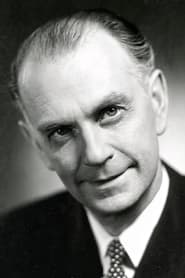
Einar Axelsson
Actor
Born: December 25, 1895 in Stockholm, Sweden Died: October 30, 1971 Active: 1921-1921
Films
1 film
About Einar Axelsson
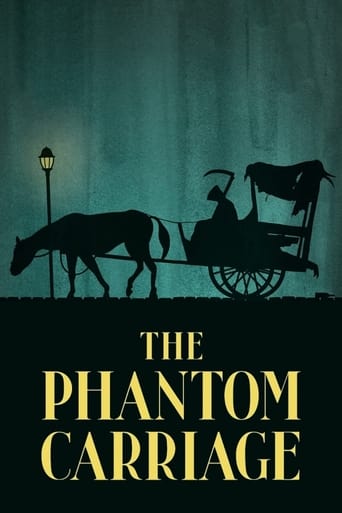
Swedish actor: brief but memorable film career is primarily defined by his starring role as David Holm in Victor Sjöström's masterpiece The Phantom Carriage (1921). Born in Stockholm in 1895, Axelsson emerged during the golden age of Swedish silent cinema, a period for their artistic merit and technical innovation. His performance in The Phantom Carriage showcased his ability to convey complex emotions through the subtle techniques required by silent film acting, portraying a character who experiences profound redemption in the afterlife. Despite the critical acclaim and international success of the film, Axelsson's film career appears to have been limited primarily to this single major role, making him what film historians might classify as a one-film wonder. Following his brief foray into cinema, he largely disappeared from the public eye, leaving behind a single but indelible mark on film history through his participation in what many consider one of the greatest films of the silent era. His legacy remains tied to this work, which continues to be studied and admired by cinephiles and scholars worldwide.
The Craft
On Screen
Axelsson's acting style in The Phantom Carriage exemplified the naturalistic approach favored in Swedish cinema of the period, characterized by subtle facial expressions and restrained gestures that conveyed deep emotional states without the exaggerated mannerisms common in other national cinemas of the silent era.
Milestones
- Starred as David Holm in The Phantom Carriage (1921)
- Worked with acclaimed director Victor Sjöström
- Participated in
Best Known For
Iconic Roles
Must-See Films
Accolades
Special Recognition
- Immortalized through participation in film preserved by the Swedish Film Institute
Working Relationships
Worked Often With
Studios
Why They Matter
Impact on Culture
Einar Axelsson's cultural impact is inextricably linked to his role in The Phantom Carriage, a film that revolutionized cinematic storytelling and influenced generations of filmmakers. The film's innovative use of multiple exposure techniques to create ghostly imagery and its non-linear narrative structure were groundbreaking achievements that inspired directors worldwide, including Ingmar Bergman, who cited the film as a major influence on his work. Axelsson's portrayal of the redeemed alcoholic David Holm contributed to the film's powerful moral and spiritual themes, helping establish Swedish cinema's reputation for psychological depth and artistic sophistication during the silent era.
Lasting Legacy
Einar Axelsson's legacy endures through his single but significant contribution to cinema history. While he may not have had an extensive filmography, his performance in The Phantom Carriage ensures his place in the annals of classic cinema. The film itself continues to be studied in film schools, screened at classic film festivals, and preserved as a masterpiece of world cinema. Axelsson represents the many actors who, despite brief careers, made lasting contributions to cinematic art through their participation in groundbreaking works that transcended their time and continue to captivate audiences a century later.
Who They Inspired
While Axelsson himself did not have a long career to directly influence other actors, his performance in The Phantom Carriage contributed to the film's influence on subsequent generations of filmmakers. The film's themes of redemption, its visual innovations, and its emotional depth inspired directors such as Ingmar Bergman, who specifically referenced the film's impact on his own work. The naturalistic acting style exemplified by Axelsson and his fellow cast members helped establish a tradition of psychologically nuanced performance in Scandinavian cinema that would influence actors and directors for decades to come.
Off Screen
Einar Axelsson lived a relatively private life outside of his brief film career. Born and raised in Stockholm, he spent his entire life in his native Sweden. After his short stint in cinema, he appears to have pursued other endeavors away from the entertainment industry, maintaining a low public profile throughout his remaining years. He passed away in Stockholm at the age of 75, having lived through the dramatic transformation of cinema from silent films to the modern era.
Education
Educational background not documented in available sources
Did You Know?
- The Phantom Carriage was based on a novel by Selma Lagerlöf, who would later become the first woman to win the Nobel Prize in Literature
- The film's innovative special effects, particularly the multiple exposure technique for the ghostly carriage, were considered revolutionary for 1921
- Director Victor Sjöström also played the role of the driver of the phantom carriage in addition to directing
- The film was a major international success and helped establish Swedish cinema as a serious artistic force
- Ingmar Bergman claimed to have watched The Phantom Carriage at least once every year and cited it as his greatest cinematic influence
- The film's structure, with its flashbacks within flashbacks, was highly unconventional for its time
- Einar Axelsson was reportedly discovered by Victor Sjöström specifically for this role
- The film was remade several times, including a 1939 French version and a 1958 Swedish television version
- Despite the film's success, Axelsson did not pursue a full-time acting career afterward
- The Phantom Carriage was preserved and restored by the Swedish Film Institute, ensuring its survival for future generations
In Their Own Words
"You will become the driver of Death's carriage, and you must collect the souls of the dead." - Dialogue from The Phantom Carriage spoken to Axelsson's character
"I have been given twelve hours to save my soul, and I want to use them to show you the path to salvation." - David Holm's redemptive realization in the film
Frequently Asked Questions
Who was Einar Axelsson?
Swedish with credits in this catalog. Though his film career was brief, his performance in this cinematic masterpiece has ensured his place in film history as an important figure of the Swedish silent cinema era.
What films is Einar Axelsson best known for?
Titles linked here include The Phantom Carriage (1921).
When was Einar Axelsson born and when did he die?
Born December 25, 1895; died October 30, 1971.
What awards did Einar Axelsson win?
There are no documented awards or nominations specifically for Einar Axelsson's performance. However, the film he starred in, The Phantom Carriage, has received numerous accolades and recognition over the decades as a masterpiece of world cinema, being preserved by film institutes and consistently ranked among the greatest films ever made.
What was Einar Axelsson's acting style?
Axelsson's acting style in The Phantom Carriage exemplified the naturalistic approach characteristic of Swedish cinema of the silent era. Rather than employing the exaggerated gestures common in silent film, he used subtle facial expressions and restrained movements to convey complex emotional states, contributing to the film's psychological depth and artistic sophistication.