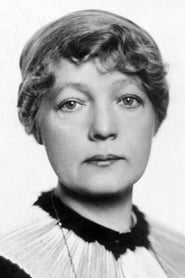
Hilda Borgström
Actor
Born: October 13, 1871 in Stockholm, Sweden Died: January 2, 1953 Active: 1912-1938 Birth Name: Hilda Teresia Borgström
Films
2 films
About Hilda Borgström
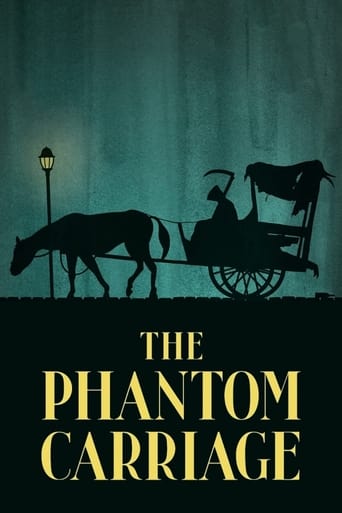
Swedish actress who became prominent figures in early Swedish cinema during the silent film era. Born in Stockholm in 1871, she began her career on the stage before transitioning to film, where she found tremendous success. Her breakthrough came in the 1910s when she joined the growing Swedish film industry, working with directors like Victor Sjöström and Mauritz Stiller. Borgström's most memorable performance came in 1921's 'The Phantom Carriage' (Körkarlen), where she played the role of Edit, the dying Salvation Army worker whose compassion and suffering form the emotional core of the film. Her ability to convey deep emotion through subtle expressions and gestures made her particularly suited to the medium of silent film. Throughout her career, she appeared in over 50 films, becoming one of Sweden's first true film stars and helping establish the country's reputation for artistic cinema. She continued acting into the early sound era before retiring from films in the late 1930s, leaving behind a legacy as one of Sweden's most important early film actresses.
The Craft
On Screen
Hilda Borgström was known for her naturalistic and emotionally nuanced acting style, which was particularly effective in the silent film era. She possessed a remarkable ability to convey complex emotions through subtle facial expressions and body language, avoiding the exaggerated gestures common among many of her contemporaries. Her performances were characterized by their psychological depth and authenticity, bringing a sense of realism to her characters that resonated with audiences. Borgström specialized in playing maternal figures and suffering women, using her expressive eyes and gentle demeanor to create characters that were both vulnerable and strong. Her technique emphasized internal emotion rather than external display, making her particularly effective in dramatic roles requiring subtlety and restraint.
Milestones
- Stage debut at the Royal Dramatic Theatre in 1890
- Transition to silent films in 1912
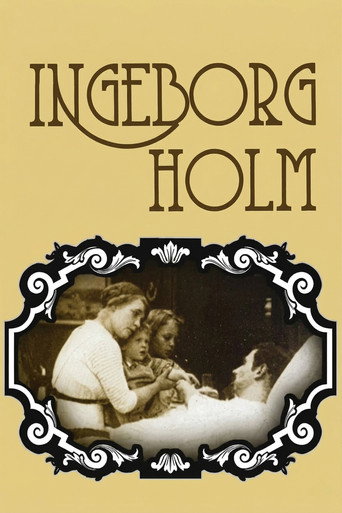
- Breakthrough role in 'Ingeborg Holm' (1913)
- Iconic performance in 'The Phantom Carriage' (1921)
- Collaboration with director Victor Sjöström
- Over 50 film appearances during her career
- Successful transition to early sound films
- Retirement from film in 1938
Best Known For
Iconic Roles
Must-See Films
Accolades
Won
- Royal Medal Litteris et Artibus (1937)
Special Recognition
- Member of the Royal Dramatic Theatre
- Pioneer of Swedish cinema recognition
- Honored at Swedish Film Institute retrospectives
Working Relationships
Worked Often With
Studios
Why They Matter
Impact on Culture
Hilda Borgström played a crucial role in establishing Swedish cinema as a significant artistic force during the silent era. Her performance in 'The Phantom Carriage' contributed to the film's international acclaim and its influence on later horror cinema, including Ingmar Bergman's work. Borgström helped demonstrate that silent film could be a medium for serious artistic expression, not just entertainment. Her naturalistic acting style influenced generations of Swedish actors and contributed to the reputation of Swedish cinema for psychological depth and emotional authenticity. The characters she portrayed often reflected the social issues of early 20th century Sweden, helping to create a national cinema that was both artistically ambitious and socially conscious.
Lasting Legacy
Hilda Borgström's legacy endures as one of the foundational figures of Swedish cinema and a pioneer of naturalistic acting in silent films. Her work in 'The Phantom Carriage' remains a touchstone for film scholars and continues to be studied in film schools worldwide. Borgström is remembered for helping establish the emotional and artistic possibilities of cinema, particularly in her ability to convey complex psychological states without dialogue. The Swedish Film Institute regularly includes her work in retrospectives of classic Swedish cinema, and her performances are cited as major influences by subsequent generations of Swedish actors. Her career trajectory from stage to film also represents the broader transition of theatrical arts into the new medium of cinema during the early 20th century.
Who They Inspired
Borgström's naturalistic acting style directly influenced the development of Swedish film acting, which emphasized psychological realism over theatrical exaggeration. Her work with directors Victor Sjöström and Mauritz Stiller helped establish the visual and emotional language that would later influence Ingmar Bergman and other Swedish filmmakers. The emotional depth she brought to her roles, particularly in 'The Phantom Carriage,' demonstrated how silent film could explore complex themes of redemption, suffering, and spiritual transformation. Her success as an older actress in leading roles also helped challenge age limitations in cinema, proving that compelling performances were not limited to youth. Contemporary actors studying silent film often look to Borgström's work as an example of how to convey emotion through subtle means rather than broad gestures.
Off Screen
Hilda Borgström led a relatively private life despite her public fame. She never married and dedicated her life entirely to her craft, which was somewhat unusual for women of her generation. She maintained close relationships with her theatrical colleagues, particularly with director Victor Sjöström, with whom she collaborated on multiple occasions. Borgström was known for her dedication to her art and often immersed herself completely in her roles, sometimes to the detriment of her personal health. In her later years, she lived quietly in Stockholm, occasionally appearing in small film roles and mentoring young actors. She remained respected in the Swedish theatrical community until her death in 1953 at the age of 81.
Education
Royal Dramatic Theatre's acting school (Dramatens elevskola)
Did You Know?
- She began her career at age 19 on the Stockholm stage before transitioning to film
- Her performance in 'The Phantom Carriage' was shot when she was 50 years old
- She never appeared in a Hollywood film, remaining exclusively in Swedish productions
- Borgström was one of the first actresses to successfully transition from stage to silent film in Sweden
- Her character in 'The Phantom Carriage' was based on a real Salvation Army worker
- She worked with both of Sweden's most famous early directors: Sjöström and Stiller
- Despite her success in films, she always considered herself primarily a stage actress
- Her final film appearance was in 1938, ending a career spanning over 25 years in cinema
- She was awarded the Royal Medal Litteris et Artibus for her contributions to Swedish culture
- Her grave in Stockholm includes the inscription 'Swedish Cinema's First Great Actress'
In Their Own Words
The camera sees everything, even the thoughts you try to hide. One must be truthful before it.
In silence, the soul speaks louder than words ever could.
To play a mother is not to act, but to remember the love that created you.
The phantom carriage comes for all of us, but kindness can change its destination.
Frequently Asked Questions
Who was Hilda Borgström?
Swedish actress who became. She was particularly known for her naturalistic acting style and her memorable performance in the classic 1921 film 'The Phantom Carriage' directed by Victor Sjöström.
What films is Hilda Borgström best known for?
Titles linked here include The Phantom Carriage (Körkarlen) (1921), Ingeborg Holm (1913).
When was Hilda Borgström born and when did she die?
Born October 13, 1871; died January 2, 1953.
What awards did Hilda Borgström win?
Borgström received the Royal Medal Litteris et Artibus in 1937 for her significant contributions to Swedish culture and arts. While formal film awards were less common during her active period, she was widely recognized as one of Sweden's most important early film actresses.
What was Hilda Borgström's acting style?
Borgström was known for her naturalistic and emotionally nuanced acting style, which avoided the exaggerated gestures common in silent film. She specialized in conveying deep emotion through subtle facial expressions and body language, bringing psychological authenticity to her roles, particularly as suffering women and maternal figures.