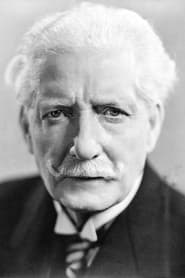
Tore Svennberg
Actor
Born: June 28, 1858 in Stockholm, Sweden Died: February 8, 1941 Active: 1879-1941 Birth Name: Olof Teodor Svennberg
Films
4 films
About Tore Svennberg
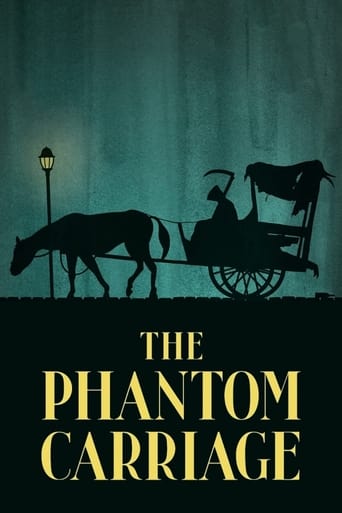
Made significant contributions to both theatrical and cinematic arts during the early 20th century. Born into a family with theatrical connections, he began his career on the Swedish stage before transitioning to the burgeoning film industry during the silent era. His most notable film work came through his collaborations with director Victor Sjöström, particularly in 'The Phantom Carriage' (1921), which is considered a masterpiece of Swedish cinema and a landmark in film history. Svennberg was known for his commanding presence and ability to convey deep emotion through the subtle techniques required in silent film acting, bringing gravitas to his roles as fathers, authority figures, and troubled souls. Beyond his film career, he remained a prominent figure in Swedish theater, serving as the director of the Royal Dramatic Theatre in Stockholm from 1922 to 1928, where he influenced generations of Swedish actors. His multiple decades, bridging the gap between stage traditions and the new medium of cinema, making him an important transitional figure in Swedish performing arts history. Svennberg's legacy endures through his powerful performances in some of the most celebrated films of the silent era and his contributions to Swedish theatrical institutions.
The Craft
On Screen
Svennberg was known for his naturalistic yet powerful acting style that combined theatrical gravitas with the subtlety required for silent film. His performances were characterized by deep emotional resonance, expressive eyes, and a commanding presence that could convey complex psychological states without dialogue. He excelled at portraying paternal figures and men burdened by guilt or moral conflict, bringing a sense of authenticity and depth to his roles that elevated the dramatic impact of the films.
Milestones
- Director of the Royal Dramatic Theatre in Stockholm (1922-1928)
- Breakthrough role in 'The Phantom Carriage' (1921)
- Leading actor at Swedish Royal Theatre for decades
- work in early Swedish cinema
- Successful transition from stage to film acting
Best Known For
Iconic Roles
Must-See Films
Accolades
Won
- Litteris et Artibus (Swedish royal medal for artistic contributions, 1920)
Special Recognition
- Member of the Royal Swedish Academy of Arts
- Honorary doctorate from Uppsala University
- Named one of Sweden's greatest actors of the 20th century
Working Relationships
Worked Often With
Studios
Why They Matter
Impact on Culture
Tore Svennberg played a crucial role in establishing Swedish cinema as an artistic force during the silent era. His performance in 'The Phantom Carriage' was particularly influential, as the film's innovative use of flashbacks and supernatural elements would later inspire directors worldwide, including Ingmar Bergman who cited it as a major influence. Svennberg's ability to bridge theatrical tradition with cinematic innovation helped legitimize film as an art form in Sweden and contributed to the country's 'Golden Age of Cinema' in the early 1920s. His work demonstrated that serious dramatic acting could translate effectively to the screen, setting standards for performance in silent films.
Lasting Legacy
Tore Svennberg's legacy endures through his powerful performances in some of the most celebrated films of the silent era and his contributions to Swedish theatrical institutions. As director of the Royal Dramatic Theatre, he modernized its approach to classical theater while preserving its traditions. His influence can be seen in the work of subsequent generations of Swedish actors and directors, particularly in the naturalistic yet emotionally intense style that would become characteristic of Swedish cinema. Films like 'The Phantom Carriage' continue to be studied in film schools worldwide, with Svennberg's performance serving as a masterclass in silent film acting.
Who They Inspired
Svennberg influenced numerous Swedish performers who would achieve international fame, including Greta Garbo and Ingrid Bergman, both of whom benefited from the theatrical training and standards he helped establish. His naturalistic approach to acting, which emphasized psychological truth over theatrical exaggeration, anticipated the Method acting techniques that would later dominate American cinema. Directors such as Ingmar Bergman acknowledged Svennberg's influence on their understanding of dramatic performance and the Swedish artistic tradition.
Off Screen
Tore Svennberg was married twice and had children who also pursued careers in the arts. He was deeply involved in Swedish cultural life beyond his acting career, serving as a mentor to younger performers and contributing to theatrical education. His personal life was marked by his dedication to the arts and his role in shaping Swedish cultural institutions during a period of significant artistic development in the country.
Education
Studied acting at the Royal Dramatic Theatre's acting school in Stockholm
Family
- Anna Lisa Hwasser (1885-1901)
- Maria Schildknecht (1902-1941)
Did You Know?
- He was 63 years old when he starred in 'The Phantom Carriage', one of his most famous film roles
- Svennberg began his stage career at age 21 and continued performing well into his 70s
- He was a close friend of playwright August Strindberg and appeared in several of his plays
- The Phantom Carriage's special effects were revolutionary for its time, using double exposure techniques
- Svennberg spoke multiple languages fluently, which helped him in international theater collaborations
- He turned down several Hollywood offers to remain in Sweden and focus on theater
- His performance in 'The Phantom Carriage' was studied by Charlie Chaplin, who admired his emotional range
- Svennberg was one of the first actors to successfully transition from legitimate theater to film without compromising his artistic integrity
- He taught acting classes at the Royal Dramatic Theatre even after retiring as director
- His death in 1941 marked the end of an era in Swedish theater, as he was one of the last links to 19th-century theatrical traditions
In Their Own Words
The stage is our temple, but cinema is our window to the world's soul.
In silence, the actor's truth speaks louder than any word.
To play a man is to understand his soul, not just his words.
The camera sees what the audience feels - our job is to make them one.
Frequently Asked Questions
Who was Tore Svennberg?
Renowned Swedish actor and theater on YTB.my. He is best known for his powerful performances in classic Swedish films like 'The Phantom Carriage' (1921) and his long career as director of the Royal Dramatic Theatre in Stockholm.
What films is Tore Svennberg best known for?
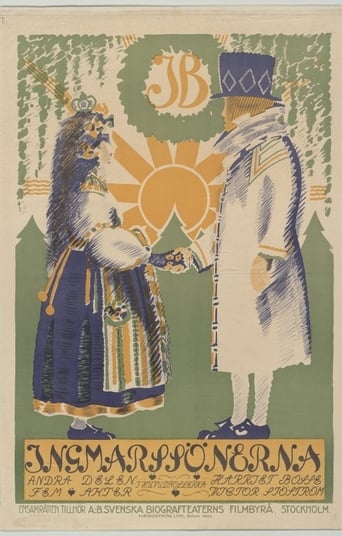
Titles linked here include The Phantom Carriage (1921), Sons of Ingmar (1919).
When was Tore Svennberg born and when did he die?
Born June 28, 1858; died February 8, 1941.
What awards did Tore Svennberg win?
Svennberg received the Litteris et Artibus medal from the Swedish royal family in 1920 for his contributions to the arts. He was also honored with membership in the Royal Swedish Academy of Arts and received an honorary doctorate from Uppsala University.
What was Tore Svennberg's acting style?
Svennberg was known for his naturalistic yet powerful acting style that combined theatrical gravitas with the subtlety required for silent film. He excelled at conveying deep emotion through facial expressions and body language, particularly in roles involving paternal figures and men burdened by guilt or moral conflict.
Did Tore Svennberg work with other famous Swedish filmmakers?
Yes, Svennberg collaborated with several Swedish directors including Victor Sjöström and Mauritz Stiller. His work with Sjöström on 'The Phantom Carriage' is particularly celebrated as a high point of Swedish silent cinema.
How did Tore Svennberg influence Swedish theater?
As director of the Royal Dramatic Theatre from 1922-1928, Svennberg modernized Swedish theater while preserving classical traditions. He mentored future stars like Greta Garbo and Ingrid Bergman, and established new standards for acting training that influenced generations of Swedish performers.
Is 'The Phantom Carriage' still considered important today?
Yes, 'The Phantom Carriage' is regarded as a masterpiece of world cinema and continues to influence filmmakers. Its innovative use of flashbacks, supernatural elements, and Svennberg's powerful performance have been cited as influences by directors including Ingmar Bergman and Stanley Kubrick.