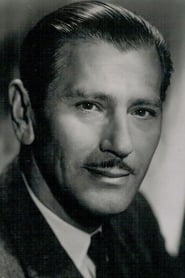
Edvin Adolphson
Actor
Born: February 25, 1893 in Furingstad, Sweden Died: October 31, 1979 Active: 1918-1971
Films
5 films

About Edvin Adolphson
Edvin Adolphson was one of Sweden's most prolific and enduring actors, whose remarkable over five decades from the silent era through the golden age of Swedish cinema. Born in 1893, he made his film debut in 1918 and quickly established himself as a leading man in Swedish silent films, working with prominent directors like Mauritz Stiller. During the 1920s, he starred in several notable productions including 'Thomas Graal's Best Child' (1918) and 'Gustaf Wasa' (1928), which showcased his commanding screen presence and dramatic range. As sound cinema emerged, Adolphson successfully transitioned to talkies and expanded his repertoire to include character roles, often playing authoritative figures like military officers, doctors, and businessmen. Beyond acting, he also ventured into directing during the 1930s and 1940s, helming several films that reflected his deep understanding of cinematic storytelling. His later career saw him become a respected elder statesman of Swedish film, appearing in over 150 productions and working with multiple generations of Swedish filmmakers. Adolphson's final film appearance came in 1971, marking the end of an extraordinary career that had witnessed the complete evolution of cinema from silent films to modern moviemaking.
The Craft
On Screen
Adolphson was known for his commanding presence and versatile acting style, transitioning seamlessly from romantic leading man in silent films to authoritative character roles in sound cinema. His performances were marked by a naturalistic approach that evolved with cinematic techniques, adapting his theatrical background to the demands of both silent and sound film acting. He possessed a distinctive voice and strong screen presence that made him particularly effective in roles requiring authority and gravitas.
Milestones
- Film debut in Thomas Graal's Best Child (1918)
- Leading role in Gustaf Wasa (1928)
- Transition to sound films in the 1930s
- Directed several films in the 1940s
- Over 150 film appearances
- Became character actor in later years
- Worked with Ingmar Bergman in early career
Best Known For
Iconic Roles
Must-See Films
Accolades
Won
- Royal medal Litteris et Artibus (1950)
- Eugene O'Neill Award (1960)
Nominated
- Guldbagge Award nomination for Best Actor (1965)
Special Recognition
- Swedish Film Institute honorary award
- Named one of Sweden's most important film actors of the 20th century
- Honorary member of Swedish Actors' Equity Association
Working Relationships
Worked Often With
Studios
Why They Matter
Impact on Culture
Edvin Adolphson played a significant role in shaping Swedish cinema during its formative years and beyond. His work helped establish the archetype of the strong, authoritative Swedish male protagonist that would influence generations of Scandinavian actors. As one of the few actors who successfully transitioned from silent films through the sound era and into modern cinema, he served as a living bridge between different epochs of filmmaking. His performances in historical epics like 'Gustaf Wasa' helped create a national cinematic identity and provided Swedes with heroic figures on screen during a period of growing national consciousness. Adolphson's longevity and adaptability made him a cultural touchstone, with audiences watching him age on screen from handsome leading man to respected character actor over five decades.
Lasting Legacy
Edvin Adolphson's legacy endures through his extensive filmography and the generations of Swedish actors he influenced. His ability to adapt to changing cinematic technologies and styles while maintaining artistic integrity serves as an inspiration to performers facing similar transitions in the modern era. The films he created, particularly his collaborations with Swedish cinema pioneers, remain important cultural artifacts that document the evolution of both Swedish society and its film industry. His family's continued involvement in entertainment has created a multi-generational artistic dynasty that carries forward his commitment to Swedish performing arts. Film historians and scholars frequently reference his career when discussing the development of character acting and the importance of versatility in cinematic performance.
Who They Inspired
Adolphson influenced subsequent generations of Swedish actors through his demonstration of how to maintain relevance across decades of changing cinematic styles. His naturalistic approach to character development helped pave the way for the more psychologically complex performances that would become hallmarks of Swedish cinema in the 1950s and 1960s. Younger actors, including those who would work with Ingmar Bergman, studied his technique for conveying authority and emotional depth. His successful transition from leading man to character actor provided a career model that many Swedish performers have since followed, recognizing that longevity in film often requires adaptation and versatility.
Off Screen
Edvin Adolphson was married three times and had several children who also entered the entertainment industry. His personal life was relatively private, though he was known to be a dedicated family man who balanced his demanding film career with his family responsibilities. He spent his later years in Solna, Sweden, where he lived until his death in 1979 at the age of 86.
Education
Attended Royal Dramatic Theatre's acting school in Stockholm
Family
- Greta Almroth (1923-1932)
- Margit Manstad (1935-1948)
- Ulla Sorbon (1949-1979)
Did You Know?
- Appeared in over 150 films during his 53-year career
- Was one of the few Swedish silent film stars to successfully transition to sound films
- His daughter Lena Adolphson became a well-known Swedish actress
- Worked with both Mauritz Stiller and Victor Sjöström, pioneers of Swedish cinema
- Served in the Swedish military before pursuing acting
- Was a skilled horseman and performed many of his own stunts in early films
- Spoke multiple languages, which helped him in international co-productions
- Was offered Hollywood roles in the 1920s but chose to remain in Sweden
- His final film appearance came at age 78
- Received the Royal medal Litteris et Artibus for his contributions to Swedish culture
In Their Own Words
The camera doesn't lie, but it also doesn't tell the whole truth - that's where the actor's art begins.
From silent films to sound, from black and white to color, the story remains king, and the actor its humble servant.
In Sweden, we don't just make films - we capture our soul on celluloid.
Frequently Asked Questions
Who was Edvin Adolphson?
Highly prolific Swedish actor and on YTB.my. He appeared in over 150 films and successfully transitioned from silent cinema through the sound era, becoming known for both leading roles and character parts throughout his five-decade career.
What films is Edvin Adolphson best known for?
Titles linked here include Thomas Graal's Best Child (1918), A Scarlet Angel (1922).
When was Edvin Adolphson born and when did he die?
Born February 25, 1893; died October 31, 1979.
What awards did Edvin Adolphson win?
Adolphson received several prestigious honors including the Royal medal Litteris et Artibus in 1950 and the Eugene O'Neill Award in 1960. He was also recognized with honorary awards from the Swedish Film Institute and named one of Sweden's most important film actors of the 20th century.
What was Edvin Adolphson's acting style?
Adolphson was known for his commanding screen presence and versatile acting style, evolving from romantic leading man in silent films to authoritative character actor in sound cinema. His naturalistic approach adapted well to different cinematic technologies, and he was particularly effective in roles requiring gravitas and emotional depth.
Did Edvin Adolphson work with famous directors?
Yes, Adolphson collaborated with several Swedish directors including Mauritz Stiller and Victor Sjöström during the silent era, and later worked with Alf Sjöberg and had early associations with Ingmar Bergman. These collaborations helped establish him as a central figure in Swedish cinema's golden age.
Was Edvin Adolphson's family involved in entertainment?
Yes, several of Adolphson's children followed in his footsteps and became actors, including his daughters Lena Adolphson and Kari Adolphson, and his son Per-Axel Adolphson. This created a multi-generational acting family that contributed to Swedish performing arts.
How did Edvin Adolphson transition from silent to sound films?
Adolphson was one of the few Swedish silent film stars who successfully made the transition to sound cinema. His theatrical background and distinctive voice helped him adapt to talking films, and he evolved his acting style to suit the new medium, eventually becoming known for character roles that utilized his authoritative presence and nuanced delivery.