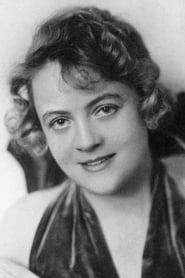
Karin Molander
Actor
Born: May 20, 1889 in Stockholm, Sweden Died: September 3, 1978 Active: 1913-1935 Birth Name: Katarina Margareta Elisabet Edwertz
Films
8 films

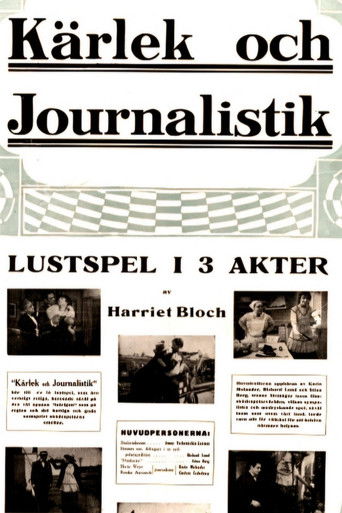
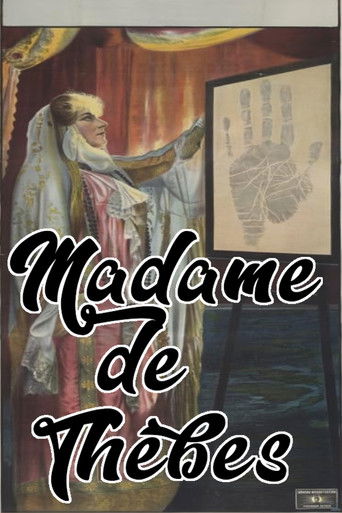
About Karin Molander
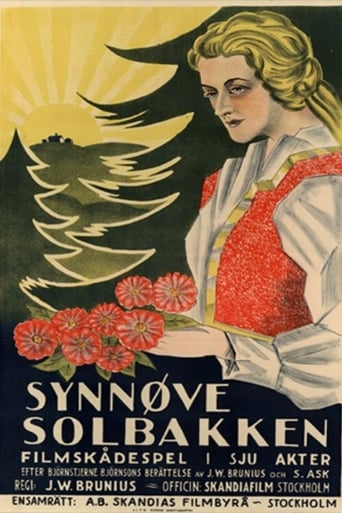
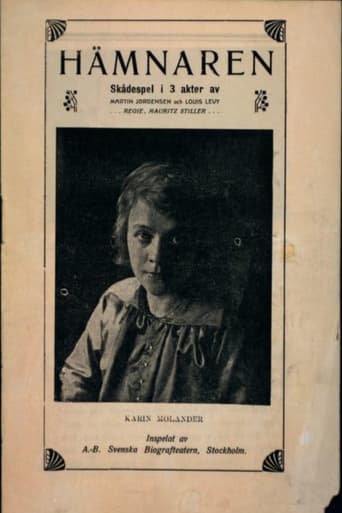
Karin Molander was one of Sweden's most prominent silent film actresses, active from the early 1910s through the transition to sound. Born Katarina Margareta Elisabet Edwertz, she began her acting career on the stage before transitioning to film in 1913. She rose to prominence through her collaborations with Swedish directors Victor Sjöström and Mauritz Stiller, becoming a leading lady in the golden age of Swedish silent cinema. Her breakthrough came with The Girl from the Marsh Croft (1917), which established her as a major star. Throughout the late 1910s and early 1920s, she delivered nuanced performances in both dramatic and comedic roles, showcasing remarkable emotional range. After marrying director Gustaf Molander in 1922, she continued acting but gradually reduced her film appearances. Her career effectively ended with the advent of sound, though she made a few sporadic appearances in the 1930s before retiring from acting entirely.
The Craft
On Screen
Molander was known for her naturalistic and emotionally expressive acting style, which was ahead of its time in the silent era. She possessed a remarkable ability to convey complex emotions through subtle facial expressions and body language, avoiding the exaggerated gestures common among many of her contemporaries. Her performances were characterized by their psychological depth and authenticity, bringing a modern sensibility to her roles. She excelled at portraying both vulnerable innocence and sophisticated sensuality, making her particularly effective in dramatic roles that required emotional transformation.
Milestones
- Stage debut at Oscarsteatern in 1908
- Film debut in 'The Flower of the Coast' (1913)
- Breakthrough role in 'The Girl from the Marsh Croft' (1917)
- Collaboration with Victor Sjöström on multiple acclaimed films
- Marriage to director Gustaf Molander in 1922
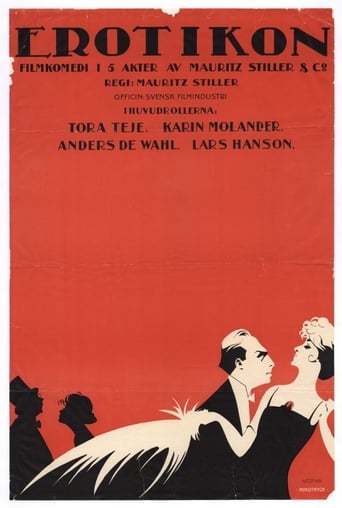
- International recognition for 'Erotikon' (1920)
- Transition to character roles in early sound films
Best Known For
Iconic Roles
Must-See Films
Accolades
Special Recognition
- Recognized as one of the actresses of Swedish cinema
- Honored in Swedish Film Institute retrospectives
- Featured in documentary histories of Swedish silent film
Working Relationships
Worked Often With
Studios
Why They Matter
Impact on Culture
Karin Molander played a crucial role in establishing Swedish cinema as a major artistic force during the silent era. Her work with directors like Victor Sjöström helped create a distinctly Swedish cinematic language that emphasized psychological depth and naturalistic performance. Films like 'The Girl from the Marsh Croft' and 'Erotikon' were not only domestic successes but also achieved international recognition, helping to put Swedish cinema on the global map. Molander's sophisticated approach to acting influenced subsequent generations of Scandinavian actors, particularly in how she balanced emotional intensity with subtlety and restraint.
Lasting Legacy
Karin Molander's legacy endures as one of the foundational figures of Swedish cinema and a actress of the silent era. Her films are regularly featured in retrospectives of classic cinema, and her performances continue to be studied for their naturalistic approach and emotional authenticity. She represents the transition from theatrical acting styles to more cinematic techniques, helping to establish a new standard for film performance. Though less internationally known than some of her contemporaries like Greta Garbo, Molander's contributions to Swedish cinema were fundamental to its golden age. Her work remains an important reference point for understanding the development of film acting in Europe.
Who They Inspired
Molander's naturalistic acting style influenced a generation of Swedish and international actors, particularly in how she demonstrated that film acting required a different approach than stage performance. Her work with psychological realism and subtle emotional expression prefigured many developments in film acting that would become standard in later decades. Ingrid Bergman, who would become Sweden's most famous actress, was influenced by the naturalistic tradition that Molander helped establish. Directors who worked with Molander, particularly her husband Gustaf Molander, carried forward the collaborative approach to actor-director relationships that she exemplified.
Off Screen
Karin Molander was married twice, first to actor and director Gustaf Molander, with whom she had two children. Her marriage to Gustaf Molander was significant both personally and professionally, as he became one of Sweden's most influential film directors. After their divorce in 1938, she married Sven Stolpe, a prominent Swedish writer and intellectual. Molander was known for her private nature and rarely gave interviews after retiring from acting. She spent her later years in Stockholm, maintaining connections with the cultural community but largely avoiding public attention.
Education
Trained at the Royal Dramatic Theatre's acting school (Dramaten) in Stockholm
Family
- Gustaf Molander (1922-1938)
- Sven Stolpe (1945-1978)
Did You Know?
- Her stage name 'Molander' came from her marriage to director Gustaf Molander
- She was discovered by director Mauritz Stiller while performing in a Stockholm theater
- Her film 'The Girl from the Marsh Croft' was so popular it was remade multiple times
- She was considered for Hollywood roles but declined to leave Sweden
- Molander spoke multiple languages, which helped in international film distributions
- She retired from acting just as sound cinema was taking over
- Her second husband Sven Stolpe wrote extensively about cinema and culture
- Many of her films are now considered lost, a common fate for silent era works
- She was known for her professionalism and reliability on set
- Molander maintained lifelong friendships with many of her silent film colleagues
In Their Own Words
Film acting is not about showing emotion, but about feeling it and letting the camera capture the truth.
Frequently Asked Questions
Who was Karin Molander?
Prominent Swedish actress of the silent film era, known for her naturalistic acting style and collaborations with legendary on YTB.my. She was one of Sweden's biggest film stars during the 1910s and 1920s before retiring with the advent of sound cinema.
What films is Karin Molander best known for?
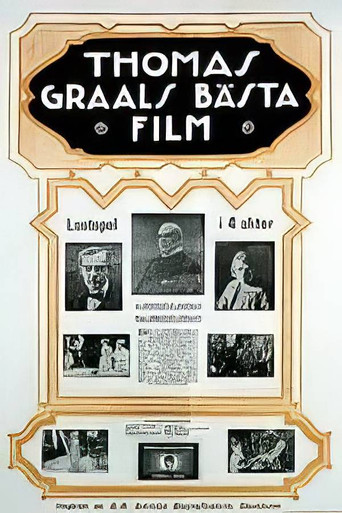
Titles linked here include The Girl from the Marsh Croft (1917), Thomas Graal's Best Child (1918).
When was Karin Molander born and when did she die?
Born May 20, 1889; died September 3, 1978.
What awards did Karin Molander win?
While Karin Molander did not receive formal awards during her active career, she has been posthumously recognized as a figure in Swedish cinema. Her films are regularly featured in retrospectives, and she is celebrated as.
What was Karin Molander's acting style?
Molander was known for her naturalistic and emotionally subtle acting style, which was revolutionary for the silent era. She avoided exaggerated gestures and instead conveyed complex emotions through nuanced facial expressions and body language, bringing psychological depth and authenticity to her roles.
Was Karin Molander married to anyone famous?
Yes, Molander was married to director Gustaf Molander from 1922 to 1938, who became one of Sweden's most influential film directors. After their divorce, she married writer and intellectual Sven Stolpe in 1945, with whom she remained until her death.
Why did Karin Molander retire from acting?
Molander gradually reduced her film appearances in the late 1920s and effectively retired with the advent of sound cinema in the early 1930s. Like many silent film actors, she found the transition to sound challenging and preferred to leave the industry at the height of her artistic reputation.