No Poster
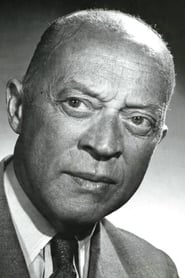
Torsten Winge
Actor
Born: March 26, 1887 in Stockholm, Sweden Died: July 11, 1945 Active: 1918-1940
Films
1 film
About Torsten Winge
Swedish actor who emerged during the golden age of Swedish silent cinema in the 1910s. Born in Stockholm, he began his career in theater before transitioning to film during the boom period of Swedish cinema. His most notable screen appearance was in Mauritz Stiller's 1918 comedy 'Thomas Graal's Best Child,' part of the popular Thomas Graal film series that showcased the sophistication of Swedish filmmaking. Winge worked alongside some of Sweden's most celebrated actors of the era, including Victor Sjöström and Karin Molander, who were central to the Swedish Golden Age of cinema. While his film career was relatively brief compared to his contemporaries, he contributed to several important productions that helped establish Sweden's reputation for artistic filmmaking. Beyond his work in cinema, Winge maintained an active career in Swedish theater, which was the primary training ground for many early film actors. His the transitional period from silent films to early sound cinema, though he appeared in fewer productions as Swedish cinema evolved in the 1920s and 1930s.
The Craft
On Screen
Winge's acting style was typical of the theatrical-influenced performances common in early Swedish cinema, characterized by expressive gestures and dramatic presence that translated well to the silent medium. His performances demonstrated the sophisticated naturalism that Swedish cinema was becoming known for, moving away from the exaggerated pantomime of earlier silent films. Like many Swedish actors of his generation, he brought a psychological depth to his roles that reflected the influence of Henrik Ibsen and August Strindberg on Scandinavian theater.
Milestones
- Appeared in Mauritz Stiller's 'Thomas Graal's Best Child' (1918)
- Worked during the Swedish Golden Age of cinema
- Transitioned from theater to film during silent era
- Collaborated with Swedish directors
- Maintained career through the transition to sound films
Best Known For
Iconic Roles
Must-See Films
Working Relationships
Worked Often With
Studios
Why They Matter
Impact on Culture
Torsten Winge was part of the remarkable wave of Swedish talent that emerged during the country's cinematic golden age, a period when Swedish films were among the most artistically sophisticated in the world. His participation in Mauritz Stiller's work connected him to. Though not a major star, Winge contributed to the ensemble performances that gave Swedish silent films their distinctive quality and international appeal. The films he appeared in helped establish Sweden as a serious contender in world cinema during the 1910s and 1920s.
Lasting Legacy
Torsten Winge's legacy is preserved through his contribution to Swedish cinema's most celebrated period, particularly his work in films that are now considered classics of the silent era. While he may not have achieved the lasting fame of contemporaries like Victor Sjöström or Greta Garbo, his performances are part of the artistic foundation that made Swedish cinema internationally respected. The Thomas Graal films in which he appeared remain important examples of early Scandinavian comedy and narrative sophistication. His career represents the journey of many character actors who supported the stars and directors who would become legends of film history.
Who They Inspired
As a supporting actor during the formative years of Swedish cinema, Winge contributed to the development of a more naturalistic acting style that would influence international film performance. His work with directors like Mauritz Stiller placed him at the forefront of cinematic innovation, even if his individual contributions were modest. The ensemble nature of his performances helped demonstrate the importance of supporting characters in creating fully realized cinematic worlds, a principle that would become fundamental to film acting theory.
Off Screen
Torsten Winge was born into the cultural milieu of Stockholm at the height of the city's artistic development in the late 19th century. He came of age during a period when Swedish theater and cinema were experiencing unprecedented growth and international recognition. His life spanned two world wars and witnessed the dramatic transformation of cinema from silent films to sound technology. Winge remained in Sweden throughout his career, contributing to the domestic film industry during its most creative period.
Did You Know?
- Appeared in films during Sweden's 'Golden Age of Cinema' (1917-1924)
- Worked with director Mauritz Stiller, who later mentored Greta Garbo
- The Thomas Graal film series was one of the earliest film franchises
- Swedish cinema of this period was highly influential on German Expressionism
- Many Swedish silent films have been preserved and restored by the Swedish Film Institute
- Stockholm was a major center of film production in Northern Europe during the 1910s
- Swedish actors of this era often trained in theater before appearing in films
- The film industry in Sweden was
Frequently Asked Questions
Who was Torsten Winge?
Swedish with credits in this catalog.
What films is Torsten Winge best known for?
Titles linked here include Thomas Graal's Best Child (1918).
When was Torsten Winge born and when did he die?
Born March 26, 1887; died July 11, 1945.
What awards did Torsten Winge win?
There are no recorded major awards or honors specifically attributed to Torsten Winge, as he worked primarily as a supporting character actor during the early decades of Swedish cinema.
What was Torsten Winge's acting style?
Winge's acting style reflected the theatrical traditions of Swedish performance, characterized by expressive gestures and dramatic presence typical of the silent era, but with the naturalistic sophistication that made Swedish cinema internationally respected.